In the realm of air purification, two prominent technologies stand out: ozone purifiers and HEPA filters. As a supplier of ozone purifiers, I'm often asked about how these two compare. In this blog, I'll delve into the features, advantages, and limitations of both ozone purifiers and HEPA filters to help you make an informed decision when it comes to choosing the right air purification solution for your needs.

Understanding HEPA Filters
HEPA, which stands for High-Efficiency Particulate Air, is a standard for air filters. A true HEPA filter is designed to trap at least 99.97% of airborne particles that are 0.3 microns in diameter. This includes common pollutants such as dust, pollen, pet dander, mold spores, and some bacteria.
One of the key advantages of HEPA filters is their ability to physically remove particulate matter from the air. They are highly effective at improving the air quality in terms of visible and microscopic particles that can cause allergies and respiratory issues. For example, if you or someone in your household suffers from hay fever or asthma, a HEPA filter can significantly reduce the amount of allergenic particles in the air, providing relief.
HEPA filters are also relatively safe to use. They do not produce any harmful by - products during the filtration process. Once installed in an air purifier, they work silently and continuously to clean the air. However, HEPA filters have their limitations. They are mainly effective against particulate matter and do not address gaseous pollutants such as volatile organic compounds (VOCs), smoke odors, and odors from chemicals. Additionally, over time, HEPA filters can become clogged with trapped particles, which reduces their efficiency and requires regular replacement.
How Ozone Purifiers Work
Ozone purifiers, on the other hand, work by generating ozone (O₃), a highly reactive gas. Ozone has strong oxidizing properties, which means it can break down and neutralize a wide range of pollutants, including odors, VOCs, bacteria, viruses, and mold.
When ozone is released into the air, it reacts with the pollutants at a molecular level. For example, it can break down the chemical bonds of odor - causing molecules, effectively eliminating the smell. In the case of bacteria and viruses, ozone can damage their cell membranes, rendering them inactive.
One of the significant advantages of ozone purifiers is their ability to tackle a broader spectrum of pollutants compared to HEPA filters. They are particularly effective in eliminating stubborn odors from sources such as smoke, pets, and cooking. For instance, if you have a room that has been affected by cigarette smoke, an ozone purifier can quickly break down the smoke particles and remove the lingering smell.
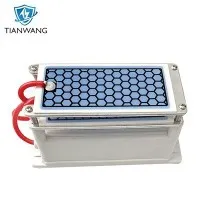
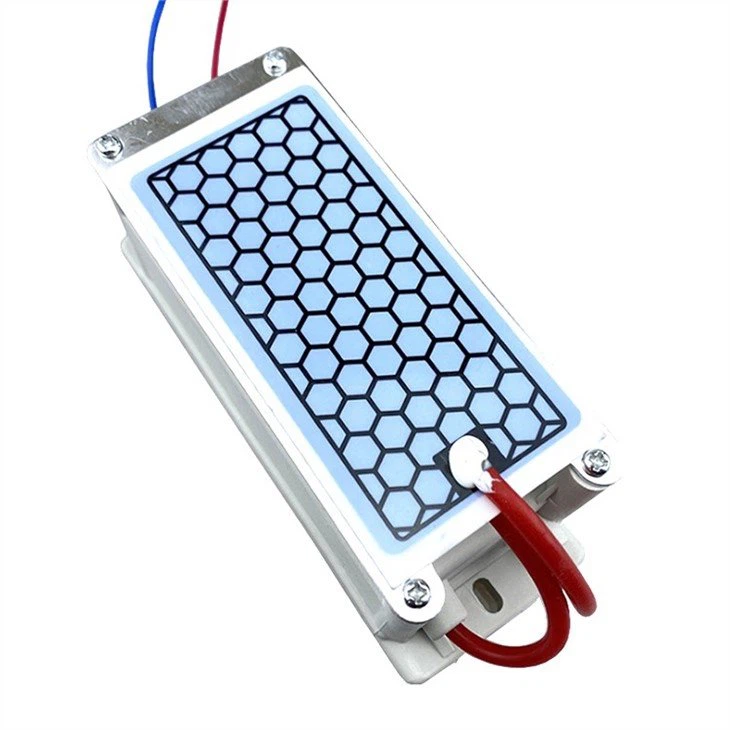
Our company offers a range of ozone purifiers, including the 10g ozone generator Cleaner Ozonizer Odor Eliminator, the 20g Portable Ozone Generator Air Sterilizer, and the 5g Ozone generator. These products are designed to meet different needs in terms of room size and the level of pollution.
Safety Considerations
However, ozone purifiers also come with some safety concerns. Ozone is a toxic gas, especially at high concentrations. Prolonged exposure to ozone can cause respiratory problems, such as coughing, shortness of breath, and irritation of the lungs. It can also exacerbate existing respiratory conditions like asthma.
To ensure safe use, ozone purifiers should be used in unoccupied spaces. Most modern ozone purifiers come with adjustable settings, allowing you to control the amount of ozone generated based on the size of the room and the level of pollution. After the ozone treatment, the room should be well - ventilated before re - entry.
Performance Comparison
In terms of performance, HEPA filters are excellent at removing particulate matter. They are a great choice for households with allergy sufferers or for environments where dust and pollen are the primary concerns. However, if you are dealing with strong odors, VOCs, or microbial contaminants, an ozone purifier may be a better option.
For example, in a hotel room that has a musty smell or in a factory with chemical fumes, an ozone purifier can address the issue more effectively than a HEPA filter. On the other hand, if the main problem is fine dust in an office environment, a HEPA - equipped air purifier would be sufficient.
Maintenance
Maintenance is another factor to consider. HEPA filters need to be replaced regularly, usually every 6 to 12 months depending on the usage. The cost of replacement filters can add up over time. In contrast, ozone purifiers generally require less maintenance. They may need occasional cleaning of the ozone - generating components, but there are no costly filter replacements.
Cost
The initial cost of an ozone purifier and a HEPA - based air purifier can vary depending on the brand, size, and features. Generally, ozone purifiers can be more affordable in the long run due to the lower maintenance costs. However, you need to factor in the potential health risks and ensure proper usage to avoid any negative consequences.
Making the Right Choice
When choosing between an ozone purifier and a HEPA filter, it's important to assess your specific needs. If your main concern is particulate matter and you want a safe, low - maintenance solution for continuous use in occupied spaces, a HEPA filter is a great choice. But if you are dealing with odors, VOCs, or microbial contaminants, and you can follow the safety guidelines for using ozone, an ozone purifier may be more suitable.
As a supplier of ozone purifiers, I'm confident in the effectiveness of our products. We have carefully designed and tested our ozone purifiers to ensure they provide maximum purification while minimizing the safety risks. If you are interested in learning more about our ozone purifiers or have any questions regarding air purification, please feel free to reach out to us. We are happy to discuss your specific situation and help you choose the right product for your needs.
References
- American Lung Association. (2023). Air Purifiers and Cleaners.
- Environmental Protection Agency. (2023). Ozone Generators That Are Sold as Air Cleaners.