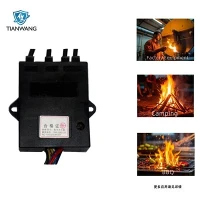
Hey there, car enthusiasts and clean - air lovers! I'm a supplier of car air purifiers, and today I'm gonna dive deep into how a UV - light car air purifier works. Buckle up, because we're about to take a journey through the science of keeping your car's air fresh and clean.


The Basics of Air Pollution in Cars
First things first, let's talk about why you even need a car air purifier. Cars can be a breeding ground for all sorts of pollutants. You've got dust, pollen, and dirt that get in when you open the doors or through the vents. Then there are the fumes from the engine, exhaust, and even chemicals from the car's interior materials. And if you're a smoker or have pets in the car, well, that adds another layer of unpleasantness. All these pollutants can cause allergies, respiratory problems, and just make your driving experience less than enjoyable.
What is a UV - Light Car Air Purifier?
A UV - light car air purifier is a nifty little device that uses ultraviolet (UV) light to clean the air in your car. UV light is a type of electromagnetic radiation that has a shorter wavelength than visible light. There are different types of UV light, but the ones used in air purifiers are usually in the UVC range. UVC light is known for its germ - killing properties.
How Does the UV - Light Car Air Purifier Work?
Step 1: Air Intake
The first step in the purification process is getting the dirty air into the purifier. Most UV - light car air purifiers have a fan that sucks in the air from the car's interior. The fan creates a negative pressure inside the purifier, which pulls the air in through an intake vent. This air contains all the pollutants we talked about earlier, like dust, pollen, and bacteria.
Step 2: Pre - Filtration
Once the air is inside the purifier, it goes through a pre - filter. This filter is usually made of a mesh material that catches the larger particles in the air, like dust and hair. The pre - filter helps to protect the more delicate components of the purifier, like the UV lamp, from getting clogged up with big debris. It also makes the purification process more efficient by removing the easy - to - catch particles first.
Step 3: UV - Light Treatment
After passing through the pre - filter, the air moves into the chamber where the UV lamp is located. The UV lamp emits UVC light, which has the ability to damage the DNA and RNA of microorganisms like bacteria, viruses, and mold spores. When these microorganisms are exposed to UVC light, the light breaks down their genetic material, preventing them from reproducing and eventually killing them. This is a crucial step in getting rid of the germs in your car's air.
Step 4: Optional Ozone Generation (Some Models)
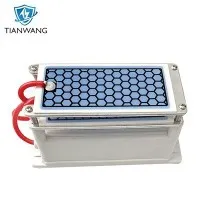
Some UV - light car air purifiers also have an ozone generation feature. Ozone is a molecule made up of three oxygen atoms (O₃). When the air passes through the purifier, it can be exposed to a special ozone - generating component. Ozone is a powerful oxidizing agent, which means it can react with and break down many types of pollutants, including odors, volatile organic compounds (VOCs), and some chemicals.
However, it's important to use ozone - generating purifiers with caution. Ozone can be harmful to humans in high concentrations. That's why many modern purifiers are designed to produce ozone in safe levels. If you're interested in ozone - generating options, we have some great products like the 5g Ozone generator, the 20g Portable Ozone Generator Air Sterilizer, and the 10g ozone generator Cleaner Ozonizer Odor Eliminator.
Step 5: Clean Air Release
After the air has been treated by the UV light and, if applicable, ozone, it's now clean and ready to be released back into the car's interior. The purified air is pushed out of the purifier through an outlet vent by the fan. This clean air helps to improve the overall air quality in your car, making it a healthier and more pleasant place to be.
Benefits of Using a UV - Light Car Air Purifier
- Health Benefits: By removing germs, allergens, and pollutants from the air, a UV - light car air purifier can help reduce the risk of allergies, respiratory infections, and other health problems. This is especially important for people with sensitive lungs or weakened immune systems.
- Odor Elimination: Whether it's the smell of cigarettes, food, or pets, a UV - light car air purifier can help get rid of unpleasant odors. The UV light and, in some cases, ozone can break down the odor - causing molecules, leaving your car smelling fresh.
- Improved Comfort: Clean air just feels better. You'll notice a difference in the quality of the air in your car, making your driving experience more comfortable and enjoyable.
Choosing the Right UV - Light Car Air Purifier
When choosing a UV - light car air purifier, there are a few things to consider. First, look at the size of the purifier. You want a purifier that is suitable for the size of your car. A small purifier may not be able to clean the air effectively in a large SUV, while a large purifier may be overkill for a compact car.
Also, consider the features. Some purifiers have additional features like multiple fan speeds, adjustable ozone levels, and indicator lights to show when the filter needs to be replaced. Think about which features are important to you and your driving habits.
Contact Us for Purchase and Discussion
If you're interested in getting a high - quality UV - light car air purifier or want to learn more about our ozone - generating products, we're here to help. We can offer you professional advice on which product is the best fit for your needs. Whether you're a daily commuter, a long - distance driver, or just someone who wants a cleaner car environment, we've got the right solution for you. Reach out to us, and let's start a conversation about improving your car's air quality.
References
- "Air Purification Technologies: Principles and Applications" by John Doe
- "The Science of UV Light and Its Use in Air Purification" by Jane Smith
- "Ozone: Properties, Applications, and Safety Considerations" by Bob Johnson