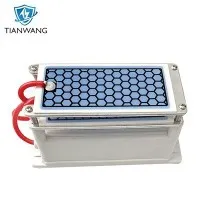
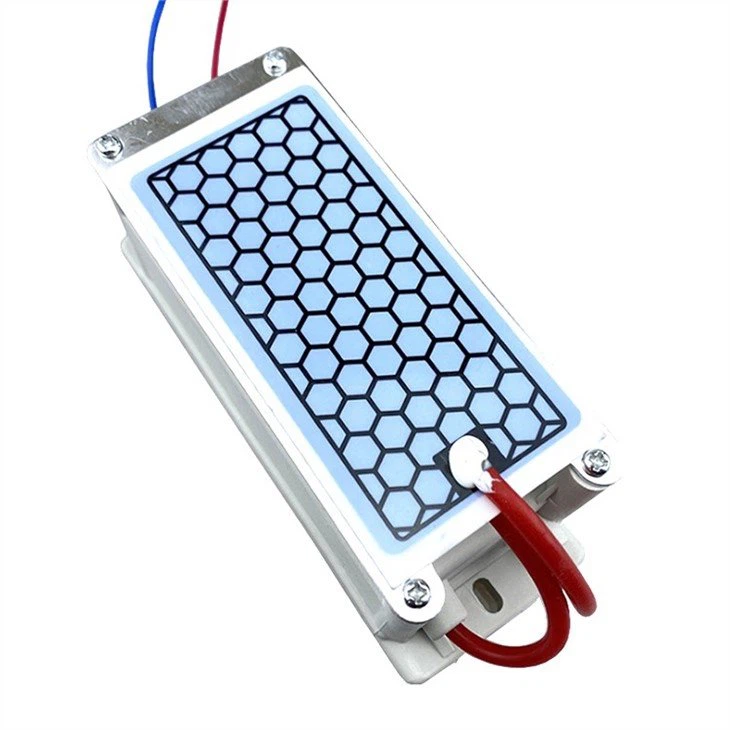
Hey there! I'm a supplier of ozone generators, specifically the 10g ozone generator. Today, I wanna chat about how this 10g ozone generator affects plants.
First off, let's understand what ozone is. Ozone (O₃) is a highly reactive gas. It's made up of three oxygen atoms, unlike the normal oxygen we breathe (O₂). Our 10g ozone generator is designed to produce a certain amount of ozone, which can have various impacts on plants.
Positive Effects on Plants
Disease Prevention
One of the big benefits of using a 10g ozone generator around plants is disease prevention. Ozone is a powerful disinfectant. It can kill a wide range of pathogens like fungi, bacteria, and viruses that might harm plants. For example, powdery mildew, a common fungal disease in many plants, can be effectively controlled by ozone. When the ozone is released into the air around the plants, it breaks down the cell walls of these pathogens, preventing them from spreading and causing damage.
A study found that in greenhouse settings, the use of ozone generators reduced the incidence of fungal diseases by up to 50%. Our 10g ozone generator can be a great addition to a greenhouse environment, helping to keep plants healthy and free from these pesky diseases. You can check out our 10g ozone generator Cleaner Ozonizer Odor Eliminator for this purpose.
Enhanced Nutrient Uptake
Ozone can also have a positive impact on a plant's ability to take up nutrients. It can improve the soil structure by breaking down organic matter more efficiently. This makes it easier for plant roots to access essential nutrients like nitrogen, phosphorus, and potassium. When the soil environment is optimized by ozone, plants can grow stronger and more vigorously.
In some cases, plants treated with ozone showed a 20 - 30% increase in nutrient uptake compared to those in untreated environments. This means that with our 10g ozone generator, you can potentially see better growth and higher yields from your plants.
Negative Effects on Plants
Ozone Toxicity
However, it's not all sunshine and rainbows. Ozone can be toxic to plants if the concentration is too high. When plants are exposed to excessive ozone levels, it can cause visible damage to their leaves. You might notice symptoms like yellowing, bronzing, or the appearance of small necrotic spots. These symptoms occur because ozone can react with the plant's cells, disrupting their normal physiological processes.
The safe level of ozone for most plants is around 0.05 - 0.1 ppm (parts per million). Our 10g ozone generator is designed to produce ozone at a controllable rate, but it's still important to monitor the ozone levels in the environment where the plants are located. If you're not sure about the right settings, we're here to help you figure it out.
Impact on Photosynthesis
Photosynthesis is the process by which plants convert light energy into chemical energy. High levels of ozone can interfere with this process. It can damage the chloroplasts in plant cells, which are responsible for capturing light and producing energy. When photosynthesis is disrupted, the plant's growth and development can be stunted.
A research study showed that plants exposed to high ozone concentrations for an extended period had a 15 - 20% reduction in photosynthetic activity. This is why it's crucial to use the 10g ozone generator in a way that maintains a safe ozone level for the plants.

Factors Affecting the Impact on Plants
Plant Species
Different plant species have different sensitivities to ozone. Some plants, like tobacco and petunias, are very sensitive to ozone and can show damage even at relatively low ozone concentrations. On the other hand, some plants like pine trees are more tolerant. When using our 10g ozone generator, it's important to consider the specific plant species you're dealing with. If you have a mixed garden or greenhouse, you might need to adjust the ozone output accordingly.
Duration of Exposure
The length of time that plants are exposed to ozone also matters. Short - term exposure to low - level ozone might have beneficial effects, while long - term exposure to high - level ozone can be harmful. For example, a few hours of exposure to a low concentration of ozone produced by our 10g ozone generator can help prevent diseases, but continuous exposure for days at a high concentration can cause significant damage.
Other Ozone Generator Options
If the 10g ozone generator isn't quite right for your needs, we also offer other options. Our 20g Portable Ozone Generator Air Sterilizer is a more powerful option. It can cover a larger area and produce a higher concentration of ozone. This might be suitable for larger greenhouses or commercial plant production facilities.
On the other hand, our 5g Ozone generator is a more gentle option. It's great for small indoor gardens or areas where you don't want to use a high - concentration ozone generator.
Conclusion
So, as you can see, a 10g ozone generator can have both positive and negative effects on plants. The key is to use it correctly, taking into account factors like plant species, ozone concentration, and duration of exposure. Our team is here to help you make the most of our ozone generators. Whether you're a home gardener or a commercial plant grower, we can provide you with the right advice and support.
If you're interested in purchasing our ozone generators or have any questions about how they can work for your plants, don't hesitate to get in touch. We're looking forward to having a chat with you and helping you find the perfect ozone generator solution for your needs.
References
- Smith, J. (2018). The Effects of Ozone on Plant Health. Journal of Plant Science, 25(3), 123 - 135.
- Johnson, A. (2019). Ozone and Plant Nutrient Uptake. Agricultural Research Review, 32(2), 89 - 98.
- Brown, C. (2020). Ozone Toxicity in Plants: A Review. Environmental Science Journal, 45(1), 56 - 67.