In the quest for cleaner and healthier indoor air, two popular solutions often come to mind: ozone generator air devices and traditional air purifiers. As a supplier of ozone generator air equipment, I am well - versed in the intricacies of both technologies and how they stack up against each other. In this blog, we'll compare these two and help you understand which might be the best choice for your specific needs.
How Ozone Generator Air Works
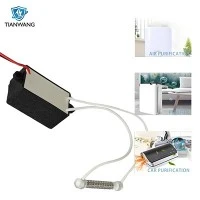
Ozone generators function by creating ozone (O₃), a molecule composed of three oxygen atoms. This is typically achieved through a process called corona discharge or ultraviolet (UV) light. In corona discharge, an electrical charge is passed through dry air or oxygen, causing some oxygen molecules (O₂) to split apart and recombine with other oxygen molecules to form ozone.
Ozone is a powerful oxidizing agent. When released into the air, it can react with various pollutants. For instance, it can break down odors at a molecular level. Bad smells are often caused by organic compounds. Ozone reacts with these compounds, changing their chemical structure and neutralizing the odor. It can also be effective against certain microorganisms such as bacteria, viruses, and mold spores. The oxidative power of ozone can damage the cell walls and DNA of these microbes, thus inactivating them.
One key aspect to note is that ozone generators are not meant for continuous use in occupied spaces. Since ozone can be harmful to humans when inhaled in high concentrations, these devices are usually used in unoccupied areas. You can set the ozone generator to run for a specific period, and then allow time for the ozone to dissipate before re - entering the space.
How Air Purifiers Work
Traditional air purifiers primarily rely on different types of filters to clean the air. The most common type is the High - Efficiency Particulate Air (HEPA) filter. HEPA filters can capture particles as small as 0.3 microns with an efficiency of 99.97%. These particles include dust, pollen, pet dander, and some mold spores.
Some air purifiers also incorporate activated carbon filters. Activated carbon is porous and has a large surface area. It can adsorb gases and odors, much like a sponge soaking up water. For example, it can effectively trap volatile organic compounds (VOCs) emitted by furniture, paints, and cleaning products.
There are also air purifiers with additional technologies like ionizers. Ionizers release negatively charged ions into the air. These ions attach to positively charged particles in the air, such as dust and pollen, causing them to clump together and become heavier. Then, these larger particles either fall to the ground or are more easily captured by the air purifier's filters.
Unlike ozone generators, air purifiers can be used safely in occupied spaces. They work continuously to clean the air, and you don't need to leave the room while they are operating.
Effectiveness Comparison
Against Particulate Matter
When it comes to removing particulate matter like dust, pollen, and pet dander, air purifiers with HEPA filters have a clear edge. HEPA filters are specifically designed to capture these tiny particles. The filtration process is highly efficient, and the captured particles are retained within the filter until it is replaced.
On the other hand, ozone generators do not directly remove particulate matter from the air. Ozone mainly acts on odors and certain microorganisms, so it is not an effective solution for people looking to reduce dust and pollen levels in their homes.
Against Odors
Ozone generators are extremely effective at eliminating odors. As mentioned earlier, ozone reacts with the organic compounds that cause bad smells, breaking them down and neutralizing the odor. This can be particularly useful in areas with strong, persistent odors such as basements, kitchens with cooking smells, or rooms where there has been a cigarette smoke problem.
Air purifiers with activated carbon filters can also reduce odors. However, the effectiveness of activated carbon filters depends on their capacity and the intensity of the odor. For very strong odors, ozone generators may offer a more thorough solution. For example, if you have a newly painted room with a strong chemical smell, an ozone generator can be used to quickly break down the VOCs and eliminate the odor.
Against Microorganisms
Ozone has strong antimicrobial properties. It can penetrate the cell walls of bacteria, viruses, and mold spores, destroying them. This makes ozone generators a good option for disinfecting a space. For instance, in a hotel room after a guest with a contagious illness has checked out, an ozone generator can be used to sanitize the room before the next guest arrives.
Air purifiers can help reduce the number of microorganisms in the air by capturing them in the filters. However, they do not actively destroy the microbes. The captured microorganisms may still be alive within the filter, and there is a risk of them being released back into the air if the filter is not properly maintained.
Cost and Maintenance
Ozone Generator Air
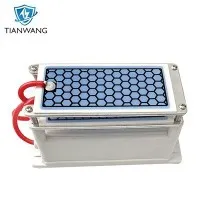
The initial cost of an ozone generator can vary depending on its size and capacity. Smaller, portable models like the 5g Ozone generator are relatively affordable and can be a good option for small spaces. Larger, more powerful ozone generators for commercial use will be more expensive.
Maintenance of ozone generators is generally straightforward. They usually do not have complex filters that need to be replaced frequently. However, the ozone - producing components may need to be inspected and, in some cases, replaced over time.
Air Purifiers
Air purifiers can also have a wide range of prices. High - end models with advanced filtration systems and large coverage areas can be quite expensive. The cost of replacement filters is an important consideration. HEPA filters and activated carbon filters need to be replaced regularly, which can add to the long - term cost of using an air purifier.
Safety Considerations
Ozone Generator Air
As mentioned earlier, ozone can be harmful to human health when inhaled in high concentrations. Exposure to high levels of ozone can cause respiratory irritation, coughing, shortness of breath, and even damage to the lungs. Therefore, it is crucial to follow the manufacturer's instructions carefully when using an ozone generator. Make sure the area is unoccupied during operation and allow sufficient time for the ozone to dissipate before re - entering.


Air Purifiers
Air purifiers are generally considered safe for continuous use in occupied spaces. However, some ionizers in air purifiers can produce small amounts of ozone as a by - product. It is important to choose air purifiers that comply with safety standards to minimize the risk of ozone exposure.
Practical Applications
If you are dealing with a situation where you need to quickly eliminate strong odors or disinfect a large space, an ozone generator can be a great choice. Our 20g Portable Ozone Generator Air Sterilizer is highly effective for such tasks. It can be easily moved from one room to another and set to run for the required time to clean and freshen the air.
For everyday use in occupied living spaces, especially if you are mainly concerned about dust, pollen, and pet dander, an air purifier is more suitable. But if you sometimes encounter strong odors or need to disinfect a room, a smaller 10g ozone generator Cleaner Ozonizer Odor Eliminator can be used as a complementary tool.
Conclusion
Both ozone generator air devices and air purifiers have their own strengths and weaknesses. The choice between them depends on your specific needs, the size of the space, and your budget. If you are looking for a powerful odor eliminator and disinfectant, and can follow the safety guidelines, an ozone generator might be the best option. On the other hand, if you need a continuous air - cleaning solution for occupied spaces, an air purifier is a reliable choice.
As a supplier of high - quality ozone generator air equipment, we are committed to providing you with the best products and technical support. If you are interested in learning more about our ozone generators or have any questions regarding air purification, please feel free to get in touch with us to start a negotiation. We look forward to helping you create a cleaner and healthier indoor environment.
References
- USEPA. (2011). Ozone Generators That Are Sold As Air Cleaners.
- AHAM. (2020). Air Purifier Performance Standards.