As an ozone generator air supplier, I often receive inquiries about how our products perform in different environments. One question that comes up frequently is how an ozone generator air works in a cold environment. In this blog post, I'll delve into the science behind ozone generation and explain how cold temperatures can affect the operation of ozone generators.
Understanding Ozone Generation
Before we discuss the impact of cold environments, let's first understand how an ozone generator works. Ozone (O₃) is a highly reactive gas composed of three oxygen atoms. It is produced by converting oxygen (O₂) molecules into ozone through a process called corona discharge or ultraviolet (UV) radiation.
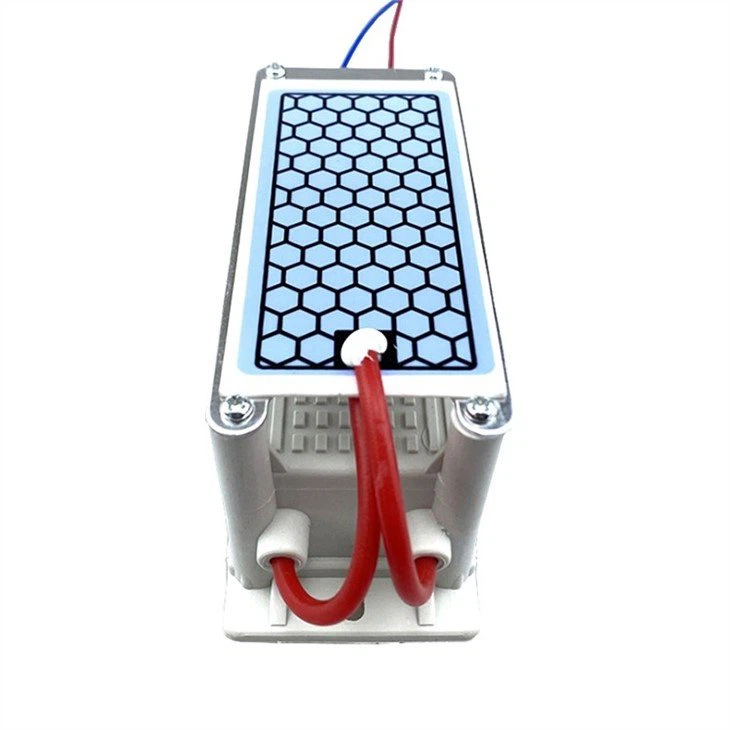
In a corona discharge ozone generator, high-voltage electricity is passed through a dielectric material, creating a corona or plasma field. This field energizes oxygen molecules, causing them to split into individual oxygen atoms. These atoms then combine with other oxygen molecules to form ozone.
On the other hand, UV ozone generators use ultraviolet light to break apart oxygen molecules. The free oxygen atoms then react with other oxygen molecules to form ozone.
The Impact of Cold Temperatures on Ozone Generation
Cold temperatures can have several effects on the performance of an ozone generator:
1. Reduced Ozone Production
One of the primary effects of cold temperatures is a decrease in ozone production. This is because the chemical reactions involved in ozone generation are temperature-dependent. As the temperature drops, the kinetic energy of the molecules decreases, making it more difficult for them to react and form ozone.
In a corona discharge ozone generator, the cold temperature can also affect the electrical properties of the dielectric material. The lower temperature can cause the dielectric to become more resistant, reducing the efficiency of the corona discharge and thus lowering ozone production.
2. Condensation and Moisture Issues
Cold environments often come with higher humidity levels, which can lead to condensation inside the ozone generator. Moisture in the air can cause several problems, including:
- Electrical Short Circuits: Moisture can conduct electricity, potentially causing short circuits in the electrical components of the ozone generator.
- Corrosion: Water can cause corrosion of metal parts, reducing the lifespan of the generator.
- Reduced Ozone Output: Moisture can react with ozone, converting it back into oxygen and reducing the overall ozone output.
3. Slower Ozone Decay
While cold temperatures can reduce ozone production, they can also slow down the decay of ozone. Ozone is a highly unstable gas that naturally decomposes back into oxygen over time. The rate of ozone decay is influenced by temperature, with higher temperatures accelerating the decomposition process.
In a cold environment, the slower decay rate means that the ozone produced by the generator can remain in the air for a longer period. This can be both an advantage and a disadvantage, depending on the application. On one hand, it can provide longer-lasting disinfection and odor control. On the other hand, it can also increase the risk of ozone exposure if the concentration becomes too high.
Strategies for Using Ozone Generators in Cold Environments
Despite the challenges posed by cold temperatures, there are several strategies that can help ensure the effective operation of ozone generators in cold environments:

1. Preheating the Generator
Some ozone generators are equipped with a preheating function that can help warm up the internal components before operation. This can improve the efficiency of ozone production by reducing the negative effects of cold temperatures.
2. Using a Heated Enclosure
For applications where the ozone generator needs to be used in extremely cold environments, a heated enclosure can be used to maintain a stable temperature inside the generator. This can prevent condensation and ensure consistent ozone production.
3. Controlling Humidity
To prevent moisture-related issues, it's important to control the humidity levels in the environment where the ozone generator is used. This can be achieved through the use of dehumidifiers or by ensuring proper ventilation.
4. Adjusting Ozone Output
In cold environments, it may be necessary to adjust the ozone output of the generator to compensate for the reduced ozone production. This can be done by increasing the operating time or adjusting the ozone concentration settings on the generator.
Our Ozone Generator Products
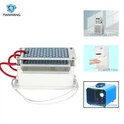
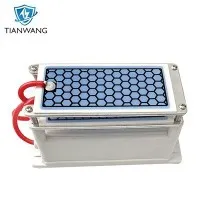
As an ozone generator air supplier, we offer a range of high-quality ozone generators that are suitable for use in various environments, including cold conditions. Here are some of our popular products:
- 5g Ozone generator: This compact ozone generator is ideal for small spaces and can effectively remove odors and disinfect the air.
- 20g Portable Ozone Generator Air Sterilizer: With a higher ozone output, this portable generator is suitable for larger areas and can provide powerful disinfection and odor control.
- 10g ozone generator Cleaner Ozonizer Odor Eliminator: This versatile ozone generator is designed for both home and commercial use and can effectively remove a wide range of odors and contaminants from the air.
Contact Us for Purchasing and Consultation
If you're interested in purchasing an ozone generator for use in a cold environment or have any questions about our products, please don't hesitate to contact us. Our team of experts is always ready to provide you with detailed information and assistance. We can help you choose the right ozone generator for your specific needs and ensure that you get the best performance and value for your investment.
References
- "Ozone Generation Technologies and Applications," by John A. Baird.
- "The Effects of Temperature and Humidity on Ozone Production," by Mary C. Smith.
- "Ozone Generator Operation in Extreme Environments," by David R. Johnson.