Hey there! As an ozone machine supplier, I often get asked how ozone machines stack up against UV - C air purifiers. Both of these technologies are designed to clean the air, but they work in different ways, and each has its own set of pros and cons. Let's dive into the details and see which one might be the better fit for your needs.
How Ozone Machines Work
Ozone machines generate ozone (O₃), a highly reactive gas. When ozone is released into the air, it reacts with pollutants, odors, and microorganisms. The process is called oxidation. Ozone breaks down the chemical structure of these contaminants, effectively neutralizing them. For example, it can eliminate unpleasant odors from smoke, mold, and even pet smells.
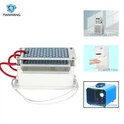
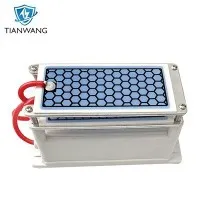
We offer a variety of ozone machines, such as the 20g Portable Ozone Generator Air Sterilizer, 5g Ozone generator, and 10g ozone generator Cleaner Ozonizer Odor Eliminator. These machines are great for large - scale odor removal and sterilization. They can be used in commercial spaces like hotels, restaurants, and offices, as well as in residential settings.
How UV - C Air Purifiers Work
UV - C air purifiers use ultraviolet light in the C - band (wavelengths between 200 - 280 nanometers) to kill or inactivate microorganisms. When microorganisms like bacteria, viruses, and mold spores pass through the purifier, the UV - C light damages their DNA or RNA, preventing them from reproducing. This makes the air cleaner and reduces the risk of airborne diseases.
Effectiveness
When it comes to effectiveness, ozone machines have a broader range of applications. They can not only kill microorganisms but also remove stubborn odors. Ozone can penetrate into fabrics, carpets, and other porous materials to eliminate odors at the source. On the other hand, UV - C air purifiers are mainly focused on killing microorganisms. They are very effective at reducing the number of bacteria and viruses in the air, but they may not be as good at removing odors.
For example, if you have a room with a strong smell of smoke or mold, an ozone machine would be a better choice. It can break down the odor - causing compounds and leave the room smelling fresh. However, if you are more concerned about preventing the spread of airborne diseases, a UV - C air purifier might be more suitable.
Safety
Safety is a crucial factor to consider. Ozone is a powerful oxidant, and high levels of ozone can be harmful to humans and animals. When using an ozone machine, it's important to follow the instructions carefully and ensure that the area is well - ventilated. People and pets should not be present in the room during the ozone treatment.


UV - C light can also be dangerous. Direct exposure to UV - C light can cause skin burns and eye damage. UV - C air purifiers are usually designed with safety features to prevent direct exposure, but it's still important to handle them with care.
Cost
In terms of cost, ozone machines can be more expensive upfront, especially the high - capacity models. However, they are generally more durable and require less maintenance. UV - C air purifiers are often more affordable initially, but they may need to have their UV - C bulbs replaced regularly, which can add to the long - term cost.
Maintenance
Ozone machines typically have simple maintenance requirements. You just need to clean the ozone generator periodically to ensure its proper functioning. UV - C air purifiers, as mentioned earlier, need to have their bulbs replaced every 6 - 12 months, depending on the usage.
Which One Should You Choose?
If you need to remove strong odors, sanitize large areas, or deal with mold problems, an ozone machine is a great option. Our 20g Portable Ozone Generator Air Sterilizer can cover a large space and effectively eliminate odors and contaminants.
If you are mainly concerned about reducing the number of airborne microorganisms and preventing the spread of diseases, a UV - C air purifier might be the way to go.
In some cases, using both an ozone machine and a UV - C air purifier can provide the best of both worlds. You can use the ozone machine for deep cleaning and odor removal, and the UV - C air purifier for continuous air purification.
Conclusion
Both ozone machines and UV - C air purifiers have their own advantages and disadvantages. The choice between them depends on your specific needs, budget, and the level of air purification you require. If you're still not sure which one is right for you, feel free to reach out to us. We're here to help you make an informed decision and find the best solution for your air - cleaning needs. Whether you're a business owner looking to improve the air quality in your establishment or a homeowner wanting a healthier living environment, we've got you covered.
If you're interested in purchasing an ozone machine, we'd love to have a chat with you about your requirements. Contact us for more information and to discuss your purchase. We can provide you with detailed product specifications, pricing, and any other information you need to make the right choice.
References
- "Ozone Generators That Are Sold As Air Cleaners", US Environmental Protection Agency.
- "UV - C Germicidal Irradiation Use in Air and Surface Disinfection", Centers for Disease Control and Prevention.