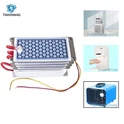
In the realm of museum conservation, the preservation of artifacts is a delicate and complex task. Museums house a vast array of historical and cultural treasures, from ancient paintings and sculptures to delicate textiles and manuscripts. These artifacts are often exposed to various environmental factors that can cause damage over time, such as humidity, temperature fluctuations, pollutants, and pests. One innovative solution that has gained significant attention in recent years is the use of ozonizer machines. As a leading supplier of ozonizer machines, I am excited to share how these devices can play a crucial role in preserving artifacts in museums.
Understanding Ozone and Its Properties
Ozone (O₃) is a highly reactive gas composed of three oxygen atoms. It is a powerful oxidizing agent, which means it has the ability to break down and eliminate a wide range of organic and inorganic substances. Ozone is naturally produced in the Earth's atmosphere through the action of sunlight on oxygen molecules. However, it can also be generated artificially using ozonizer machines.
When ozone comes into contact with pollutants, odors, and microorganisms, it reacts with them and breaks them down into simpler, less harmful substances. This process is known as oxidation. Ozone can effectively remove a variety of contaminants, including bacteria, viruses, fungi, mold, dust mites, and volatile organic compounds (VOCs). It can also neutralize unpleasant odors caused by smoke, mildew, and other sources.
How Ozonizer Machines Work
Ozonizer machines are designed to generate ozone by passing oxygen through a high-voltage electrical discharge or ultraviolet light. The most common type of ozonizer machine uses a corona discharge method, where oxygen molecules are split into individual oxygen atoms by a high-voltage electrical charge. These oxygen atoms then combine with other oxygen molecules to form ozone.
The generated ozone is then released into the air, where it can circulate and interact with pollutants and contaminants. Ozone has a relatively short lifespan, typically lasting only a few minutes before it decomposes back into oxygen. This means that it does not leave any harmful residues or byproducts behind.
Benefits of Using Ozonizer Machines in Museums
1. Air Purification
One of the primary benefits of using ozonizer machines in museums is air purification. Museums are often filled with a variety of pollutants and contaminants, including dust, dirt, pollen, smoke, and VOCs. These pollutants can accumulate on artifacts and cause damage over time. Ozone can effectively remove these pollutants from the air, creating a cleaner and healthier environment for both artifacts and visitors.
By reducing the levels of pollutants in the air, ozonizer machines can help prevent the formation of mold and mildew on artifacts. Mold and mildew can cause significant damage to organic materials, such as wood, paper, and textiles. Ozone can also eliminate unpleasant odors in the museum, creating a more pleasant and inviting atmosphere for visitors.
2. Pest Control
Another important benefit of using ozonizer machines in museums is pest control. Museums are often home to a variety of pests, including insects, rodents, and birds. These pests can cause damage to artifacts by chewing, nesting, and defecating on them. Ozone can effectively repel and eliminate pests by disrupting their respiratory systems and sensory organs.
Ozone can also kill pests and their eggs by oxidizing their cell membranes and proteins. This can help prevent infestations and protect artifacts from damage. In addition, ozone can neutralize the pheromones and odors that attract pests, making the museum less appealing to them.
3. Preservation of Artifacts
Ozonizer machines can also help preserve artifacts by preventing the growth of microorganisms and the degradation of organic materials. Microorganisms, such as bacteria, viruses, and fungi, can cause significant damage to artifacts by feeding on them and producing enzymes that break down their organic components. Ozone can effectively kill these microorganisms by oxidizing their cell membranes and proteins.
In addition, ozone can help prevent the degradation of organic materials, such as wood, paper, and textiles, by inhibiting the growth of mold and mildew. Mold and mildew can cause discoloration, staining, and structural damage to these materials. Ozone can also remove the odors and stains caused by these microorganisms, restoring the appearance of artifacts.
4. Improved Indoor Air Quality
Using ozonizer machines in museums can also improve indoor air quality, which is essential for the health and well-being of visitors and staff. Poor indoor air quality can cause a variety of health problems, including respiratory issues, allergies, and headaches. Ozone can effectively remove pollutants and contaminants from the air, creating a cleaner and healthier environment for everyone.
In addition, ozone can help reduce the spread of airborne diseases by killing bacteria and viruses. This can help prevent the transmission of illnesses among visitors and staff, especially during flu season and other periods of high disease activity.
Types of Ozonizer Machines for Museums
There are several types of ozonizer machines available on the market, each with its own features and benefits. When choosing an ozonizer machine for a museum, it is important to consider the size of the space, the type of artifacts being preserved, and the specific needs and requirements of the museum.
1. Portable Ozonizer Machines
Portable ozonizer machines are small, lightweight, and easy to move around. They are ideal for use in small spaces, such as individual display cases or storage areas. Portable ozonizer machines can be plugged into a standard electrical outlet and can be used as needed to purify the air and eliminate odors.


One example of a portable ozonizer machine is the 10g Car Ozone Generator. This compact and powerful ozonizer machine is designed to generate up to 10 grams of ozone per hour, making it suitable for use in small to medium-sized spaces. It is easy to use and can be operated manually or automatically.
2. Wall-Mounted Ozonizer Machines
Wall-mounted ozonizer machines are designed to be installed on the wall and are ideal for use in larger spaces, such as galleries and exhibition halls. Wall-mounted ozonizer machines can be connected to the building's ventilation system or can be used independently to purify the air and eliminate odors.
One example of a wall-mounted ozonizer machine is the 20g Ozone Air Purifier Generator Ozone Machine. This high-capacity ozonizer machine is designed to generate up to 20 grams of ozone per hour, making it suitable for use in large spaces. It is easy to install and can be controlled remotely using a smartphone app.
3. Ozone Generators with Air Purification Systems
Some ozonizer machines are equipped with air purification systems, such as filters and fans, to enhance their performance. These machines can effectively remove a wider range of pollutants and contaminants from the air, including dust, pollen, and smoke. They can also help improve the circulation of air in the museum, ensuring that ozone is evenly distributed throughout the space.
One example of an ozonizer machine with an air purification system is the Ceramic Ozone Plate for Air Purifier Parts 5g. This advanced ozonizer machine is designed to generate up to 5 grams of ozone per hour and is equipped with a high-efficiency air filter to remove dust and other particles from the air. It is suitable for use in small to medium-sized spaces and can be easily integrated into existing air purification systems.
Considerations When Using Ozonizer Machines in Museums
While ozonizer machines can be a valuable tool for preserving artifacts in museums, it is important to use them safely and responsibly. Ozone is a powerful oxidizing agent and can be harmful to humans and animals if inhaled in high concentrations. Therefore, it is important to follow the manufacturer's instructions carefully and to use ozonizer machines in well-ventilated areas.
In addition, it is important to monitor the ozone levels in the museum to ensure that they do not exceed the recommended safety limits. Ozone levels can be measured using ozone monitors, which are available from a variety of manufacturers. It is also important to avoid using ozonizer machines in areas where artifacts are being handled or displayed, as ozone can cause damage to some materials, such as rubber, plastic, and certain types of paint.
Conclusion
In conclusion, ozonizer machines can play a crucial role in preserving artifacts in museums. They can effectively remove pollutants, odors, and microorganisms from the air, prevent the growth of mold and mildew, and protect artifacts from damage. By using ozonizer machines, museums can create a cleaner, healthier, and more sustainable environment for their artifacts and visitors.
As a leading supplier of ozonizer machines, we offer a wide range of high-quality products that are designed to meet the specific needs and requirements of museums. Our ozonizer machines are easy to use, reliable, and cost-effective. We also provide comprehensive technical support and after-sales service to ensure that our customers are satisfied with their purchase.
If you are interested in learning more about how our ozonizer machines can help preserve artifacts in your museum, please contact us to discuss your specific needs and requirements. We look forward to working with you to protect your valuable cultural heritage.
References
- American Institute for Conservation of Historic and Artistic Works. (n.d.). Preservation of Museum Collections. Retrieved from [Website URL]
- International Council of Museums. (n.d.). Museum Collections and Climate Change. Retrieved from [Website URL]
- National Park Service. (n.d.). Museum Collections Management. Retrieved from [Website URL]