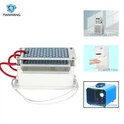
As a supplier of home air purifiers, I understand that customers often wonder if their air purifiers are working properly. After all, investing in an air purifier is a significant decision, and you want to ensure that it's effectively improving the air quality in your home. In this blog post, I'll share some practical tips on how to determine if your home air purifier is functioning as it should.
Check the Air Quality Indicator
Many modern air purifiers come equipped with an air quality indicator. This feature provides real - time feedback on the air quality in the room. Usually, the indicator uses colors or numerical values to represent different levels of air quality. For example, green might indicate good air quality, yellow for moderate, and red for poor.
When you first turn on the air purifier in a room with presumably poor air quality, such as after cooking or in a smoky environment, the indicator should initially show a lower reading (e.g., red). As the air purifier works, you should observe the indicator gradually changing to a better reading (e.g., yellow and then green). If the indicator doesn't change over time, it could be a sign that the air purifier is not working correctly.
Listen to the Fan Noise
The fan is an essential component of an air purifier as it draws in the air and passes it through the filters. A properly functioning air purifier should produce a consistent and relatively smooth fan noise. If you notice any unusual rattling, grinding, or high - pitched squealing sounds, it could indicate a problem with the fan.
For instance, rattling might be caused by a loose part inside the fan, while a grinding noise could suggest that the fan motor is wearing out. In such cases, it's advisable to check the user manual for troubleshooting steps or contact the manufacturer's customer service.
Evaluate the Airflow
Good airflow is crucial for an air purifier to effectively clean the air. You can test the airflow by holding a piece of tissue paper near the air intake and the air outlet of the purifier.
At the air intake, the tissue paper should be gently pulled towards the purifier, indicating that the fan is drawing in air. At the air outlet, the tissue paper should be blown away, showing that clean air is being expelled. If there is little to no movement of the tissue paper at either the intake or the outlet, it may mean that there is a blockage in the air path or that the fan is not working properly.
Monitor the Filter Condition
The filters in an air purifier are responsible for trapping dust, pollen, smoke, and other pollutants. Over time, these filters can become clogged, which can reduce the efficiency of the air purifier.
Most air purifiers have a filter replacement indicator. If your air purifier has this feature, pay attention to it. When the indicator lights up, it's time to replace the filter. Even if your air purifier doesn't have a filter replacement indicator, you can visually inspect the filter. If the filter looks dirty, covered in a thick layer of dust, or has visible damage, it's likely time for a replacement.
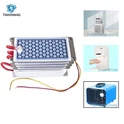
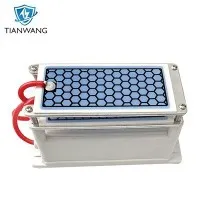
A clogged filter can not only reduce the air purifier's performance but also put extra strain on the fan motor, potentially leading to premature failure. You can refer to our product range for high - quality replacement filters, such as our 5g Ozone generator, 10g ozone generator Cleaner Ozonizer Odor Eliminator, and 20g Portable Ozone Generator Air Sterilizer, which are designed to work in harmony with your air purifier.
Notice the Reduction of Odors
One of the main functions of an air purifier is to eliminate unpleasant odors in the home. If you've been using the air purifier in a room with a distinct odor, such as a kitchen with cooking smells or a pet - friendly room, you should notice a significant reduction in the odor over time.
For example, if you cook a spicy meal and then turn on the air purifier, within a reasonable amount of time (usually 30 minutes to an hour), the strong smell of spices should start to fade. If the odor persists, it could be a sign that the air purifier is not effectively removing the odor - causing particles.
Use a Third - Party Air Quality Monitor
If you want a more accurate and objective assessment of your air purifier's performance, you can invest in a third - party air quality monitor. These devices can measure various air pollutants, such as particulate matter (PM2.5 and PM10), volatile organic compounds (VOCs), and carbon dioxide.
Before turning on the air purifier, take a baseline reading of the air quality in the room using the monitor. Then, turn on the air purifier and take readings at regular intervals. You should see a decrease in the levels of pollutants over time. If the readings remain relatively unchanged, it may indicate that the air purifier is not working as expected.
Consider the Room Size
The effectiveness of an air purifier is also related to the size of the room in which it is used. Each air purifier has a recommended room size that it can effectively clean. If you're using an air purifier in a room that is too large for its capacity, it may not be able to clean the air efficiently.
For example, if an air purifier is designed for a 200 - square - foot room and you place it in a 400 - square - foot room, it will have to work much harder to clean the air, and the results may not be satisfactory. Make sure to check the product specifications and place the air purifier in a room that matches its recommended size.
Check the Manufacturer's Recommendations
The manufacturer's user manual provides valuable information on the proper operation and maintenance of the air purifier. It includes details on how to set up the device, change the filters, and troubleshoot common problems.
Make sure to follow the manufacturer's instructions carefully. For example, some air purifiers need to be placed at a certain distance from walls or furniture to ensure proper airflow. If you don't follow these guidelines, it can affect the performance of the air purifier.
Conclusion
Determining if your home air purifier is working properly involves a combination of visual, auditory, and sensory observations. By checking the air quality indicator, listening to the fan noise, evaluating the airflow, monitoring the filter condition, noticing the reduction of odors, using a third - party air quality monitor, considering the room size, and following the manufacturer's recommendations, you can ensure that your air purifier is effectively improving the air quality in your home.


If you have any questions or concerns about the performance of your air purifier, or if you're interested in purchasing a new air purifier or replacement parts, we're here to help. Our team of experts can provide you with detailed information and guidance. Feel free to contact us for more information and to start a procurement discussion.
References
- Consumer Reports. (Year). Air Purifier Buying Guide.
- Environmental Protection Agency. (Year). Indoor Air Quality.
- Manufacturer's User Manuals for Home Air Purifiers.