Ozone equipment has become increasingly popular in various industries due to its powerful oxidation and sterilization capabilities. As a leading ozone equipment supplier, we understand the importance of optimizing the performance of ozone equipment to ensure its efficiency and longevity. In this blog post, we will share some practical tips and strategies to help you optimize the performance of your ozone equipment.
Understanding the Basics of Ozone Generation
Before delving into the optimization strategies, it's crucial to have a basic understanding of how ozone is generated. Ozone (O₃) is an unstable molecule composed of three oxygen atoms. It is typically produced through the process of corona discharge, ultraviolet (UV) radiation, or electrolysis.


In corona discharge ozone generators, high-voltage electricity is used to ionize oxygen molecules (O₂) in the air, causing them to split into individual oxygen atoms. These free oxygen atoms then combine with other oxygen molecules to form ozone. UV ozone generators, on the other hand, use ultraviolet light to break the bonds in oxygen molecules, creating ozone. Electrolytic ozone generators produce ozone by passing an electric current through water or an electrolyte solution.
Selecting the Right Ozone Equipment
The first step in optimizing the performance of ozone equipment is to select the right equipment for your specific needs. Consider the following factors when choosing ozone equipment:
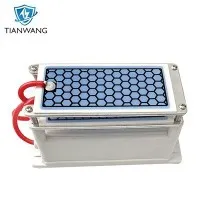
- Ozone Output: Determine the required ozone output based on the size of the area to be treated and the specific application. For small spaces, such as a single room, a 5g Ozone generator may be sufficient. For larger areas or industrial applications, a higher-output ozone generator, such as a 20g Portable Ozone Generator Air Sterilizer, may be necessary.
- Type of Ozone Generator: Choose the type of ozone generator that best suits your application. Corona discharge ozone generators are commonly used for air purification and water treatment, while UV ozone generators are often used in small-scale applications, such as in aquariums or for odor control.
- Quality and Reliability: Select ozone equipment from a reputable supplier to ensure its quality and reliability. Look for equipment that is certified and meets industry standards.
Proper Installation and Placement
Proper installation and placement of ozone equipment are essential for optimal performance. Follow these guidelines:
- Ventilation: Ensure that the ozone generator is installed in a well-ventilated area to prevent the accumulation of ozone. Ozone is a toxic gas, and high concentrations can be harmful to human health and the environment.
- Distance from Objects: Place the ozone generator away from objects that can be damaged by ozone, such as rubber, plastics, and some types of fabrics. Ozone can cause these materials to deteriorate over time.
- Height: Mount the ozone generator at an appropriate height to ensure even distribution of ozone in the air. For air purification applications, a height of around 1.5 to 2 meters is recommended.
Regular Maintenance
Regular maintenance is crucial to keep your ozone equipment operating at peak performance. Here are some maintenance tasks to perform:
- Cleaning: Clean the ozone generator regularly to remove dust, dirt, and other debris that can accumulate on the electrodes and other components. Use a soft brush or compressed air to clean the electrodes carefully.
- Replacement of Components: Replace worn-out or damaged components, such as electrodes, filters, and ozone tubes, as recommended by the manufacturer. Regularly inspect the equipment for signs of wear and tear.
- Calibration: Periodically calibrate the ozone equipment to ensure accurate ozone output. This can be done using an ozone analyzer or by following the manufacturer's calibration instructions.
Monitoring and Control
Monitoring and controlling the operation of ozone equipment is essential to optimize its performance and ensure safety. Consider the following:
- Ozone Concentration Monitoring: Use an ozone analyzer to monitor the ozone concentration in the air or water. This will help you ensure that the ozone levels are within the safe and effective range for your application.
- Timer and Controller: Install a timer or controller to regulate the operation of the ozone generator. This allows you to set specific operating times and ozone output levels, depending on your needs.
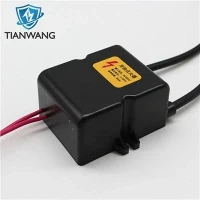
- Safety Features: Ensure that the ozone equipment is equipped with safety features, such as an ozone sensor and an automatic shutdown function. These features will help prevent overexposure to ozone and protect your health and the environment.
Optimizing Ozone Generation Efficiency
To improve the efficiency of ozone generation, consider the following strategies:
- Air Quality: Use clean, dry air as the feed gas for the ozone generator. Moisture and contaminants in the air can reduce the efficiency of ozone generation and increase the wear and tear on the equipment.
- Cooling: Proper cooling of the ozone generator is essential to prevent overheating and improve efficiency. Ensure that the cooling system is functioning properly and that the temperature of the generator is within the recommended range.
- Electrode Design: The design of the electrodes in the ozone generator can have a significant impact on ozone generation efficiency. Choose electrodes with a high surface area and good electrical conductivity to maximize ozone production.
Troubleshooting Common Issues
Even with proper maintenance and operation, ozone equipment may encounter some common issues. Here are some troubleshooting tips:
- Low Ozone Output: If the ozone output is lower than expected, check the power supply, the electrodes, and the air intake. Make sure that the equipment is clean and that the electrodes are not damaged.
- Strange Odors or Noises: If the ozone generator emits strange odors or noises, it may indicate a problem with the equipment. Check for loose connections, damaged components, or a malfunctioning cooling system.
- Leakage: If you suspect that there is an ozone leak, immediately turn off the equipment and ventilate the area. Check the seals and connections for signs of damage or wear.
Conclusion
Optimizing the performance of ozone equipment is essential to ensure its efficiency, reliability, and safety. By selecting the right equipment, installing it properly, performing regular maintenance, monitoring and controlling its operation, and optimizing ozone generation efficiency, you can maximize the benefits of ozone technology in your applications.
As a trusted ozone equipment supplier, we are committed to providing high-quality ozone equipment and comprehensive support to help you optimize the performance of your ozone systems. If you have any questions or need assistance with your ozone equipment, please feel free to contact us for more information. We look forward to working with you to meet your ozone equipment needs and achieve your goals.
References
- Kowalski, Walter J. "Ozone generation, reactors, and process control for environmental applications." Ozone in Water Treatment: Application and Engineering. CRC Press, 2012.
- Rice, Ronald G., Richard C. Netzer, and Cliff D. Larson. "Ozone technology and applications for the food industry." Comprehensive Reviews in Food Science and Food Safety 5.1 (2006): 1-18.
- Rittmann, Bruce E., and Perry L. McCarty. Environmental Biotechnology: Principles and Applications. McGraw-Hill, 2001.