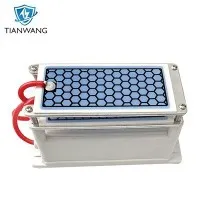
Hey there! As a supplier of high voltage coils, I've dealt with all sorts of these nifty components. High voltage coils are used in a bunch of different applications, from air purifiers to beauty machines and cars. But one crucial thing that often gets overlooked is how to properly test these high voltage coils. In this blog, I'll walk you through the steps to test a high voltage coil, so you can ensure that the products you're getting are top-notch.
Why Testing High Voltage Coils is Important
Before we dive into the testing process, let's talk about why it's so important to test high voltage coils. These coils are used in various devices where they generate high voltage, and if they're not working correctly, it can lead to all sorts of problems. For example, in an air purifier, a faulty high voltage coil might not generate enough voltage to effectively ionize the air, reducing the purifier's efficiency. In a beauty machine, it could cause inconsistent results or even damage the device. And in a car, a bad ignition coil can lead to misfires, poor fuel economy, and other engine issues. So, testing these coils is essential to make sure they're safe and reliable.
Tools You'll Need
To test a high voltage coil, you'll need a few basic tools. Here's what you'll typically need:
- Multimeter: This is a must-have tool for any electrical testing. It can measure voltage, resistance, and continuity.
- Insulation Resistance Tester: This tool is used to measure the insulation resistance of the coil. A good insulation resistance is crucial to prevent electrical leakage.
- High Voltage Probe: This is used to measure high voltages safely. Make sure to choose a probe that can handle the voltage range of your coil.
Step-by-Step Testing Process
Visual Inspection
The first step in testing a high voltage coil is to give it a good visual inspection. Look for any signs of physical damage, such as cracks, burns, or loose connections. If you see any of these issues, the coil might be faulty and should be replaced. Check the insulation of the wires for any signs of wear or damage.
Resistance Testing
Resistance testing is one of the most basic tests you can perform on a high voltage coil. Using a multimeter, set it to the resistance (ohms) setting. Connect the multimeter probes to the appropriate terminals of the coil. You'll usually have a primary and a secondary winding in the coil. Measure the resistance of each winding separately.
The resistance values will vary depending on the type and specifications of the coil. You can usually find the recommended resistance values in the coil's datasheet. If the measured resistance is significantly different from the recommended value, it could indicate a problem with the coil. For example, a very low resistance might mean there's a short circuit in the winding, while a very high resistance could mean there's an open circuit.
Insulation Resistance Testing
Insulation resistance testing is important to ensure that the coil's insulation is intact and preventing electrical leakage. Use an insulation resistance tester to measure the insulation resistance between the coil's windings and the coil's core or the ground.
A high insulation resistance value indicates good insulation. If the insulation resistance is low, it could mean that the insulation has been damaged, which can lead to electrical leakage and potentially dangerous situations. Again, refer to the coil's datasheet for the recommended insulation resistance values.
High Voltage Testing
High voltage testing is a more advanced test that requires a high voltage probe and a power source capable of generating the appropriate high voltage. This test is used to check if the coil can generate the required high voltage.
Connect the high voltage probe to the output terminal of the coil and the power source to the input terminals. Slowly increase the voltage until you reach the rated voltage of the coil. Use the high voltage probe to measure the output voltage. If the measured voltage is significantly different from the rated voltage, it could indicate a problem with the coil.
Be extremely careful when performing high voltage testing, as high voltages can be very dangerous. Make sure to follow all safety precautions and wear appropriate protective gear.
Testing Different Types of High Voltage Coils
Flyback Transformer for Air Purifier
Flyback transformers are commonly used in air purifiers to generate high voltage for ionization. When testing a Flyback Transformer 12v 24v High Voltage Ignition Transformer For Air Purifier, pay special attention to the output voltage. The output voltage should be high enough to effectively ionize the air in the purifier.
Perform the resistance and insulation resistance tests as described above. If the coil fails any of these tests, it might not be suitable for use in the air purifier.
High Voltage Transformer for Beauty Machine
High voltage transformers used in beauty machines are designed to generate specific voltages for different treatments. When testing a High Voltage Transformer For Beauty Machine Health Physiotherapy Machine, make sure to check the output voltage according to the machine's specifications.
Also, check the stability of the output voltage. Fluctuations in the voltage can cause inconsistent results in the beauty treatments.
24V Car High Voltage Ignition Coil
Car ignition coils are crucial for the proper functioning of the engine. When testing a 24V car high voltage ignition coil, the resistance and output voltage are the key parameters to check.
The primary winding resistance is usually relatively low, while the secondary winding resistance is much higher. Make sure the measured resistance values are within the recommended range. The output voltage should be high enough to create a strong spark in the spark plugs.


Conclusion
Testing high voltage coils is an important part of ensuring their safety and reliability. By following the steps outlined in this blog, you can effectively test different types of high voltage coils and identify any potential problems.
If you're in the market for high voltage coils, whether it's a flyback transformer for an air purifier, a high voltage transformer for a beauty machine, or a car ignition coil, we've got you covered. Our high voltage coils are carefully tested to meet the highest quality standards. If you're interested in purchasing our high voltage coils or have any questions, feel free to reach out to us for a purchase negotiation. We're always happy to help you find the right coil for your needs.
References
- Electrical Engineering Handbook, various editions
- Manufacturer's datasheets for high voltage coils