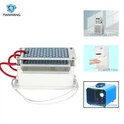
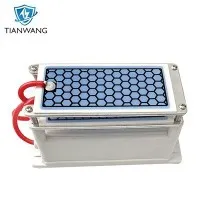
When it comes to maintaining a clean and fresh environment inside a bus, an ozonizer machine can be a valuable tool. As a supplier of ozonizer machines, I understand the importance of providing high - quality products that meet the specific needs of bus operators. In this blog, I'll discuss the key considerations when using an ozonizer machine in a bus.
1. Safety First
Safety is the most crucial factor when using an ozonizer machine in a bus. Ozone is a powerful oxidizing agent. While it can effectively eliminate odors, kill bacteria, and purify the air, high levels of ozone can be harmful to human health. Exposure to high concentrations of ozone can cause respiratory problems, irritation of the eyes and throat, and other health issues.
Therefore, it's essential to choose an ozonizer machine with proper safety features. For example, our New Material 50mg 100mg DC 12V Mini Air Purifier Ozone Generator Ionizer For Kitchen Appliances is designed with an automatic shut - off function. This feature ensures that the machine stops producing ozone when the pre - set ozone level is reached, preventing over - exposure.
2. Ozone Output
The ozone output of the ozonizer machine is another important consideration. The size of the bus and the level of air pollution inside it determine the appropriate ozone output. A small bus with relatively low pollution levels may require a machine with a lower ozone output, while a large bus or one with heavy odors and contaminants may need a higher - output ozonizer.
Our 12v 5g Odor Mini Car Ozone Generator is suitable for smaller buses or those with light pollution. It can produce a moderate amount of ozone to effectively clean the air. For larger buses, we recommend machines with higher ozone output capabilities.
3. Compatibility with Bus Electrical System
Buses typically operate on a 12V or 24V electrical system. It's crucial to choose an ozonizer machine that is compatible with the bus's electrical system. Using an incompatible machine can not only damage the machine but also pose a safety risk to the bus's electrical components.
Most of our ozonizer machines, such as the ones mentioned above, are designed to be compatible with 12V electrical systems, which are commonly found in buses. This ensures seamless integration and reliable operation.
4. Installation and Placement
Proper installation and placement of the ozonizer machine are vital for its effectiveness. The machine should be installed in a location where the ozone can circulate freely throughout the bus. Avoid placing the machine in areas where it may be blocked or where air circulation is poor.
For example, installing the ozonizer near the air vents can help distribute the ozone more evenly. It's also important to ensure that the machine is securely mounted to prevent it from moving during the bus's operation.
5. Maintenance
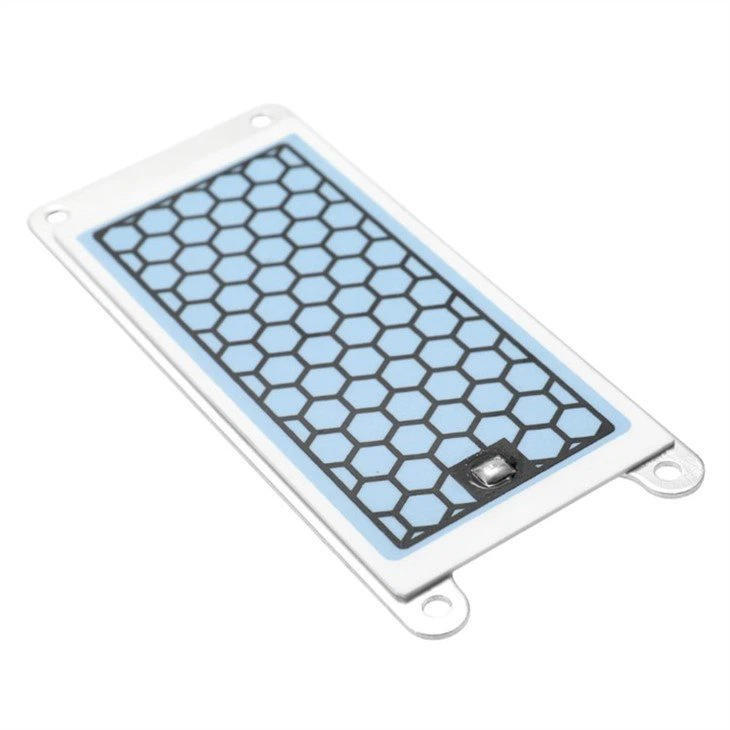
Regular maintenance of the ozonizer machine is necessary to ensure its long - term performance. This includes cleaning the machine's components, such as the ozone plates. Our Ceramic Ozone Plate for Air Purifier Parts 5g is easy to clean and replace, which simplifies the maintenance process.

Additionally, it's important to follow the manufacturer's instructions for maintenance. This may include checking the machine's filters, inspecting the electrical connections, and replacing any worn - out parts.
6. Cost - effectiveness
Cost - effectiveness is a significant consideration for bus operators. When choosing an ozonizer machine, it's important to consider not only the initial purchase price but also the long - term operating costs.
Our ozonizer machines are designed to be energy - efficient, which helps reduce the operating costs. They also have a long lifespan, which means less frequent replacement and lower overall costs.
7. Noise Level
The noise level of the ozonizer machine can be a concern, especially in a bus environment where passengers need a quiet and comfortable ride. A noisy ozonizer can be distracting and annoying to passengers.
Our ozonizer machines are designed to operate quietly, ensuring that they do not disrupt the bus's peaceful environment. This allows passengers to enjoy a clean and fresh atmosphere without being disturbed by excessive noise.
8. Regulatory Compliance
Bus operators need to ensure that the ozonizer machine they use complies with relevant regulations. Different regions may have specific regulations regarding the use of ozone - generating devices.
Our ozonizer machines are designed to meet international standards and regulations. We provide all the necessary documentation to ensure that our customers can use our products legally and safely.
9. User - Friendliness
The ozonizer machine should be easy to use for bus operators. A user - friendly interface and simple operation can save time and reduce the likelihood of errors.
Our machines are designed with intuitive controls and clear instructions. Even operators with limited technical knowledge can easily operate and maintain the ozonizer machines.
10. After - sales Service
Good after - sales service is essential for any product. As a supplier, we offer comprehensive after - sales support, including technical assistance, maintenance advice, and replacement parts.
If you have any questions or need help with our ozonizer machines, our dedicated customer service team is ready to assist you.
In conclusion, when using an ozonizer machine in a bus, it's important to consider safety, ozone output, compatibility, installation, maintenance, cost - effectiveness, noise level, regulatory compliance, user - friendliness, and after - sales service. Our company offers a wide range of high - quality ozonizer machines that meet these requirements. If you are interested in purchasing our ozonizer machines for your bus fleet, please contact us for more information and to discuss your specific needs. We look forward to working with you to provide a clean and healthy environment for your passengers.
References
- American Conference of Governmental Industrial Hygienists (ACGIH). "Threshold Limit Values for Chemical Substances and Physical Agents and Biological Exposure Indices." ACGIH, 2021.
- World Health Organization (WHO). "Guidelines for Indoor Air Quality: Ozone." WHO, 2005.