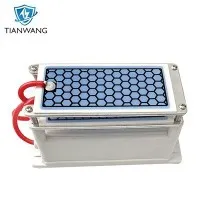
As a seasoned supplier of gas stove igniters, I've witnessed firsthand the evolution and diversity of these essential components. Gas stove igniters are crucial for the safe and efficient operation of gas stoves, and understanding the different types available can help consumers make informed decisions when it comes to purchasing or replacing them. In this blog post, I'll explore the various types of gas stove igniters, their features, and applications.
Piezoelectric Igniters
Piezoelectric igniters are one of the most common types of gas stove igniters. They work on the principle of the piezoelectric effect, which generates an electric spark when pressure is applied to a piezoelectric crystal. When you press the ignition button on a gas stove equipped with a piezoelectric igniter, a spring-loaded hammer strikes the piezoelectric crystal, creating a high-voltage spark that ignites the gas.
One of the main advantages of piezoelectric igniters is their simplicity and reliability. They do not require an external power source, such as batteries or electricity, making them ideal for use in areas where power is not readily available. Piezoelectric igniters are also relatively inexpensive and easy to install, which makes them a popular choice for both residential and commercial gas stoves.
However, piezoelectric igniters have some limitations. They typically produce a single spark, which means that if the gas does not ignite on the first try, you may need to press the ignition button again. Additionally, the spark produced by piezoelectric igniters may not be as strong as that produced by other types of igniters, which can make it more difficult to ignite the gas in windy conditions or when using low-quality gas.
Electronic Pulse Igniters
Electronic pulse igniters are another popular type of gas stove igniter. They use an electronic circuit to generate a series of high-voltage pulses, which create a continuous spark to ignite the gas. Unlike piezoelectric igniters, electronic pulse igniters require an external power source, such as batteries or electricity.
One of the main advantages of electronic pulse igniters is their ability to produce a continuous spark, which increases the chances of igniting the gas on the first try. They are also more reliable than piezoelectric igniters, especially in windy conditions or when using low-quality gas. Electronic pulse igniters are available in a variety of models and configurations, including TW-WN-01 Electronic Pulse Igniter, which is designed for use in a wide range of gas stoves.
However, electronic pulse igniters are more complex and expensive than piezoelectric igniters. They also require an external power source, which can be a disadvantage in areas where power is not readily available. Additionally, electronic pulse igniters may require more maintenance than piezoelectric igniters, as the electronic components can be sensitive to moisture and other environmental factors.
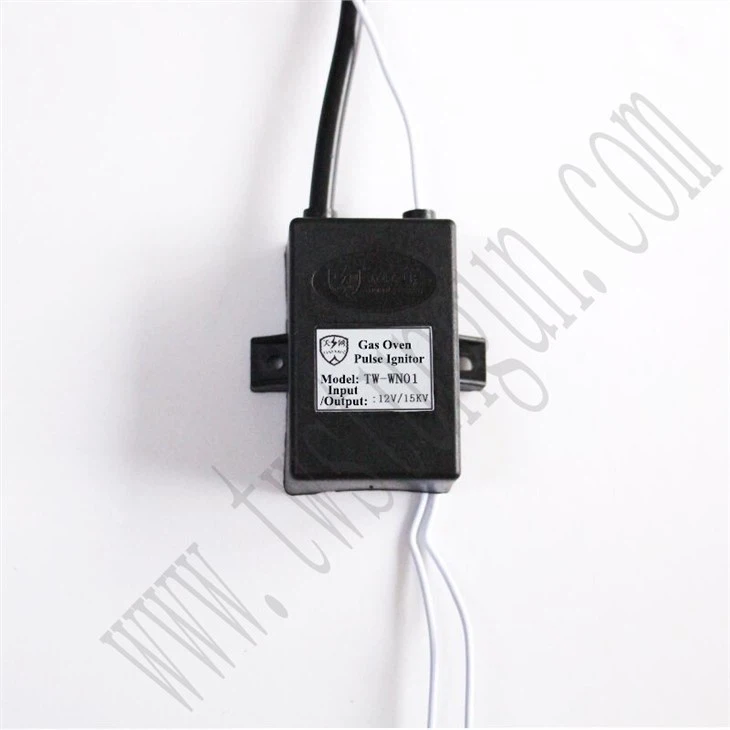
12V General Electronic Gas Stove Igniters
12V general electronic gas stove igniters are a type of electronic pulse igniter that is specifically designed to operate on a 12V power supply. They are commonly used in gas stoves that are powered by a 12V battery, such as those used in recreational vehicles (RVs) and boats.
One of the main advantages of 12V general electronic gas stove igniters is their compatibility with 12V power systems. They are also relatively inexpensive and easy to install, which makes them a popular choice for RV and boat owners. 12v General Electronic Gas Stove Igniter is a great example of this type of igniter, offering reliable performance and easy installation.
However, 12V general electronic gas stove igniters have some limitations. They typically produce a lower voltage spark than other types of electronic pulse igniters, which can make it more difficult to ignite the gas in windy conditions or when using low-quality gas. Additionally, they may require a more powerful battery to operate effectively, which can add to the cost and complexity of the system.
220VAC Infrared Electric Pulse Sparker Igniters
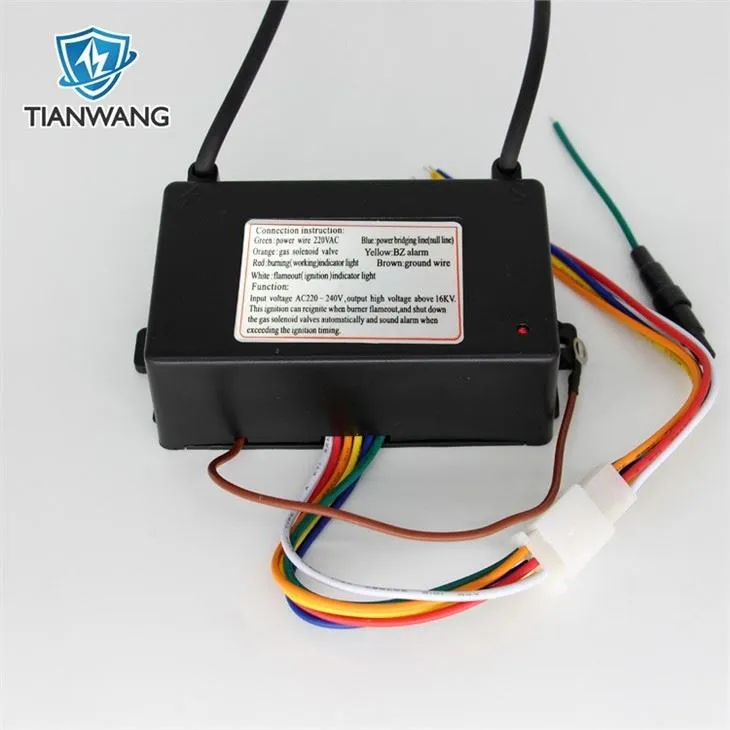
220VAC infrared electric pulse sparker igniters are a type of electronic pulse igniter that is designed to operate on a 220VAC power supply. They use an infrared sensor to detect the presence of gas and then generate a high-voltage spark to ignite it.
One of the main advantages of 220VAC infrared electric pulse sparker igniters is their high ignition success rate. The infrared sensor ensures that the spark is only generated when gas is present, which reduces the risk of false ignition and improves safety. They are also more powerful than other types of igniters, which makes them ideal for use in large commercial gas stoves or in areas where high-quality ignition is required. 220VAC Infrared Electric Pulse Sparker Igniter is a prime example of this type of igniter, offering reliable performance and advanced features.
However, 220VAC infrared electric pulse sparker igniters are more expensive and complex than other types of igniters. They require a 220VAC power supply, which may not be available in all areas. Additionally, the infrared sensor can be sensitive to dirt and dust, which can affect its performance and require regular cleaning and maintenance.
Conclusion
In conclusion, there are several different types of gas stove igniters available, each with its own advantages and limitations. Piezoelectric igniters are simple, reliable, and do not require an external power source, but they may not be as effective in windy conditions or when using low-quality gas. Electronic pulse igniters, including 12V general electronic gas stove igniters and 220VAC infrared electric pulse sparker igniters, offer higher ignition success rates and more advanced features, but they are more complex and expensive.
When choosing a gas stove igniter, it's important to consider your specific needs and requirements. If you're looking for a simple and reliable igniter for a residential gas stove, a piezoelectric igniter may be the best choice. If you need a more powerful and reliable igniter for a commercial gas stove or in a challenging environment, an electronic pulse igniter may be a better option.
As a supplier of gas stove igniters, I'm committed to providing high-quality products and excellent customer service. If you have any questions or need help choosing the right igniter for your gas stove, please don't hesitate to contact me. I'll be happy to assist you with your purchase and provide you with all the information you need to make an informed decision.
References
- "Gas Stove Igniter Basics." Appliance Repair School.
- "Types of Gas Stove Igniters." Home Depot.
- "Choosing the Right Gas Stove Igniter." Lowe's.