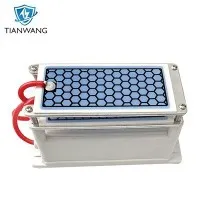
Food safety is a paramount concern in food - processing facilities, as it directly impacts consumer health and the reputation of the food industry. In recent years, ozonizer machines have gained popularity in these facilities due to their potential benefits in disinfection and preservation. As a supplier of ozonizer machines, I am well - versed in the technology and the associated food - safety regulations.
The Role of Ozonizer Machines in Food - Processing Facilities
Ozonizer machines generate ozone (O₃), a powerful oxidizing agent. In food - processing, ozone can be used in several ways. Firstly, it can be used for water treatment. Ozone is highly effective in killing bacteria, viruses, and fungi in water used for food washing, processing, and cooling. For example, in the fruit and vegetable industry, water treated with ozone can significantly reduce the microbial load on the produce, extending its shelf - life and reducing the risk of foodborne illnesses.
Secondly, ozone can be used for air purification in food - storage areas. By eliminating odors and reducing the concentration of airborne microorganisms, ozone helps maintain a clean and hygienic environment. This is particularly important in facilities where food is stored for long periods, as it prevents the growth of spoilage organisms and mold.
Thirdly, direct application of ozone to food products is also possible. Ozone can be used to disinfect the surface of meat, poultry, seafood, and dairy products. It can break down pesticides and other contaminants on the surface of fruits and vegetables, making them safer for consumption.
Food - Safety Regulations Regarding Ozone Use in Food - Processing Facilities
International Regulations
At the international level, the Codex Alimentarius Commission, which develops food - safety standards, guidelines, and codes of practice, has recognized the use of ozone in food processing under certain conditions. Ozone is considered generally recognized as safe (GRAS) for use in food contact applications in many countries, including the United States and the European Union.
In the United States, the Food and Drug Administration (FDA) has approved ozone for direct contact with food in gaseous and aqueous phases. However, there are strict limits on the concentration and exposure time. For example, when using ozone in water treatment for food contact, the residual ozone concentration in the water should not exceed certain levels to ensure that it does not cause any harmful effects on the food or consumers.
The European Union also has regulations regarding ozone use in food processing. The European Food Safety Authority (EFSA) has evaluated the safety of ozone and has set maximum residue levels for ozone in food products. Additionally, food - processing facilities using ozone must comply with the general food - safety requirements of the EU, such as proper documentation of ozone use, training of personnel, and regular monitoring of ozone levels.
National and Local Regulations
In addition to international regulations, national and local governments may have their own specific requirements. Some countries may have more stringent regulations regarding ozone use in certain food products. For example, in some Asian countries, there are strict limits on the use of ozone in traditional fermented foods to prevent any negative impact on the fermentation process.
Local health departments may also conduct inspections of food - processing facilities using ozone to ensure compliance with safety regulations. They may check for proper installation and maintenance of ozonizer machines, as well as the accuracy of ozone - monitoring equipment.
Compliance and Best Practices for Food - Processing Facilities
Equipment Installation and Maintenance
Food - processing facilities must ensure that ozonizer machines are installed correctly. The machines should be placed in well - ventilated areas to prevent the accumulation of ozone gas. Regular maintenance of ozonizer machines is also crucial. This includes cleaning the ozone - generation chambers, replacing worn - out parts, and calibrating the machines to ensure accurate ozone production.
Personnel Training
Employees working with ozonizer machines should receive proper training. They need to understand the principles of ozone generation, the potential hazards of ozone exposure, and the correct operating procedures. Training should also cover emergency response procedures in case of ozone leaks or malfunctions.
Monitoring and Documentation
Continuous monitoring of ozone levels is essential. Food - processing facilities should use reliable ozone - monitoring devices to measure the concentration of ozone in the air and water. Records of ozone levels, operating times, and maintenance activities should be kept for a certain period to demonstrate compliance with regulations.
Our Ozonizer Machine Offerings
As a supplier of ozonizer machines, we offer a wide range of products suitable for different food - processing applications. For example, our 12v 5g Odor Mini Car Ozone Generator can be used for small - scale air purification in food - storage rooms or transportation vehicles. It is compact, energy - efficient, and easy to operate.
Our New Material 50mg 100mg DC 12V Mini Air Purifier Ozone Generator Ionizer For Kitchen Appliances is designed for use in kitchen environments. It can effectively remove odors and disinfect the air, making it ideal for food - preparation areas.


For larger - scale applications, our 10g Car Ozone Generator can be used in industrial food - processing facilities. It has a high ozone - generation capacity and can be integrated into existing ventilation or water - treatment systems.
Conclusion
In conclusion, ozonizer machines offer significant benefits in food - processing facilities, but their use must be carefully regulated to ensure food safety. International, national, and local regulations play a crucial role in setting the standards for ozone use. Food - processing facilities need to comply with these regulations through proper equipment installation, personnel training, and monitoring.
As a reliable ozonizer machine supplier, we are committed to providing high - quality products that meet all relevant food - safety regulations. If you are interested in our ozonizer machines or have any questions about their use in your food - processing facility, please feel free to contact us for further discussion and procurement negotiation.
References
- Codex Alimentarius Commission. (Year). General principles of food hygiene.
- Food and Drug Administration (FDA). (Year). Regulations regarding ozone use in food contact applications.
- European Food Safety Authority (EFSA). (Year). Scientific opinion on the safety of ozone in food processing.