Hey there! As an ozone generator supplier, I get a ton of questions about power consumption levels of ozone generators. People are always curious about how much electricity these things gobble up and what it means for their bills. So, let's dive right into this topic.
First off, it's important to understand that the power consumption of ozone generators can vary widely. It depends on a bunch of factors, like the size of the generator, its output capacity, and the technology it uses.
Factors Affecting Power Consumption
Size and Capacity
Generally speaking, larger ozone generators with higher output capacities consume more power. For example, a small, portable ozone generator designed for a single room or a small area will use less electricity compared to a big - industrial - grade ozone generator that's meant to treat large spaces like warehouses or factories.
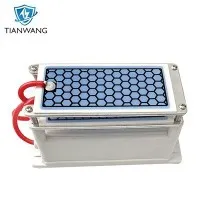
The 20g Portable Ozone Generator Air Sterilizer is a great example of a low - power option. It's designed to be used in confined spaces, like a vehicle or a small office room. Since it doesn't need to produce a huge amount of ozone, its power requirements are pretty modest. On the other hand, an industrial ozone generator with a high output rate of hundreds of grams of ozone per hour is going to draw a significant amount of power.
Technology Used
The technology employed in an ozone generator also plays a crucial role in its power consumption. There are mainly two types of ozone generation technologies: corona discharge and ultraviolet (UV) light.
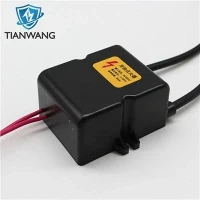
Corona discharge ozone generators create ozone by passing dry air or oxygen through a high - voltage electrical discharge. These generators can be quite efficient, but they usually consume more power than UV - based generators. They need a significant amount of electrical energy to create the high - voltage discharge required to break oxygen molecules and form ozone.
UV ozone generators, on the other hand, use ultraviolet light to produce ozone. They are generally less powerful in terms of ozone production compared to corona discharge generators. However, they consume less electricity because the UV lamps don't need as much power to operate. The New Material 50mg 100mg DC 12V Mini Air Purifier Ozone Generator Ionizer For Kitchen Appliances is likely a UV - based generator, given its low power DC 12V operation and small output capacity, which makes it energy - efficient and suitable for small - scale applications.
Measuring Power Consumption
Power consumption is usually measured in watts (W) or kilowatts (kW). On the product label of an ozone generator, you'll often find the power rating. For instance, a 50 - watt ozone generator will consume 50 watts of electricity when it's running.
To calculate the energy consumption over a period of time, you can use the formula: Energy (in kilowatt - hours, kWh)=Power (in kilowatts)×Time (in hours). So, if you have a 50 - watt (0.05 kilowatts) ozone generator and you run it for 10 hours, the energy consumption will be 0.05 kW×10 hours = 0.5 kWh.
Power Consumption in Different Applications
Residential Use
In a residential setting, people usually use ozone generators for air purification, odor removal, or to kill bacteria and viruses. The 20g Ozone Air Purifier Generator Ozone Machine is a popular choice for homes. These generators typically have a power rating of around 20 - 50 watts. If you run it for a few hours a day, say 3 hours, the daily energy consumption will be relatively low, around 0.06 - 0.15 kWh. This won't have a huge impact on your monthly electricity bill.
Commercial Use
In commercial spaces like hotels, restaurants, or offices, ozone generators may need to be run for longer periods and may have higher power ratings. A medium - sized commercial ozone generator might have a power rating of 100 - 300 watts. If it runs for 8 hours a day, the daily energy consumption will be 0.8 - 2.4 kWh. This is still manageable, but it's something that business owners need to factor into their budget.
Industrial Use
Industrial applications require large - scale ozone generation, and thus, industrial ozone generators can have very high power consumption. These generators can have power ratings in the thousands of watts or even kilowatts. For example, a large - scale industrial ozone generator used in water treatment plants may have a power rating of 5 - 10 kW or more. Running such a generator continuously can result in significant electricity costs.
How to Optimize Power Consumption
If you're concerned about the power consumption of your ozone generator, there are a few things you can do.
First, choose the right size and type of generator for your needs. Don't go for an oversized generator if you only need to treat a small area. A smaller, more appropriately - sized generator will consume less power.


Second, use the generator only when necessary. You don't need to run it 24/7. For example, in a residential setting, you can run the ozone generator for a few hours a day when you're not at home to purify the air and remove odors.
Finally, make sure to maintain your ozone generator properly. A well - maintained generator will operate more efficiently and consume less power. This includes cleaning the generator regularly, replacing worn - out parts, and ensuring that the air intake is not blocked.
Conclusion
So, as you can see, the power consumption levels of ozone generators can vary greatly depending on their size, capacity, and the technology they use. Whether you're looking for a small, energy - efficient ozone generator for your home or a high - capacity generator for industrial use, there are options available to suit your needs.
If you're interested in purchasing an ozone generator and want to know more about power consumption or other features, feel free to reach out to us. We're here to help you make the right choice for your specific requirements and budget. Let's start a conversation about how we can meet your ozone generator needs!
References
- "Ozone Generator Technology and Applications" - A technical guide on ozone generation and its various uses.
- Industry reports on energy consumption in ozone generation equipment.