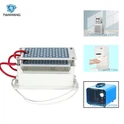
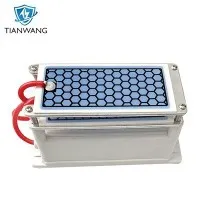
Hey there! As a supplier of ozone machines, I've seen a lot of interest in these nifty devices. They're great for all sorts of things, like purifying the air, getting rid of odors, and even sterilizing spaces. But like any product, ozone machines have their side - effects. In this blog, I'm gonna break down what those side - effects are so you can make an informed decision before you buy one of our 5g Ozone generator, 10g ozone generator Cleaner Ozonizer Odor Eliminator, or 20g Portable Ozone Generator Air Sterilizer.
1. Respiratory Issues
One of the most well - known side - effects of ozone machine use is its impact on the respiratory system. Ozone is a powerful oxidizing agent, and when you inhale it, it can cause irritation to your airways.
Mild Symptoms
For people with relatively healthy lungs, short - term exposure to low levels of ozone might lead to mild symptoms. You could experience a tickle in your throat, a bit of coughing, or a feeling of tightness in your chest. It's like when you're in a place with a lot of pollution, and your lungs just don't feel right. These symptoms usually go away once you're no longer exposed to the ozone.
Severe Symptoms
However, if you're exposed to higher levels of ozone for a longer period, things can get more serious. People with pre - existing respiratory conditions like asthma, chronic obstructive pulmonary disease (COPD), or bronchitis are at a higher risk. High - level ozone exposure can trigger asthma attacks, make it harder to breathe, and even cause long - term damage to the lungs. It can reduce lung function over time, which means your lungs won't be able to work as efficiently as they should.
2. Eye and Throat Irritation
Ozone can also cause irritation to your eyes and throat. When you're in a room where an ozone machine is running, you might notice that your eyes start to water, and they feel itchy or burning. It's like when you get a bit of soap in your eyes, but it doesn't go away as quickly.


Your throat can also feel scratchy and sore. You might find yourself clearing your throat more often, and it can be uncomfortable to swallow. These symptoms are a result of the ozone's irritating properties and can be quite unpleasant, especially if you're in close proximity to the ozone machine.
3. Aggravation of Allergies
If you're allergic to certain things like pollen, dust, or pet dander, using an ozone machine can actually make your allergies worse. Ozone can react with other chemicals in the air, creating new compounds that can trigger allergic reactions.
For example, it can react with volatile organic compounds (VOCs) found in cleaning products, paints, and furniture. These reactions can produce particles and chemicals that are more likely to cause allergic symptoms such as sneezing, runny nose, and itchy skin. So, if you're an allergy sufferer, you need to be extra careful when using an ozone machine.
4. Damage to Materials
Ozone isn't just harmful to living things; it can also damage various materials. It's a strong oxidizer, which means it can break down and degrade many substances.
Fabrics
Fabrics like cotton, wool, and silk can be affected by ozone. Over time, the ozone can weaken the fibers, making the fabric look faded and worn out. It can also cause discoloration, so your favorite curtains or clothes might start to look a bit off.
Rubber and Plastics
Rubber and plastic materials are also at risk. Ozone can cause rubber to become brittle and crack, which can be a problem for things like rubber seals, hoses, and gaskets. Plastics can also become discolored and lose their strength. If you have a lot of rubber or plastic items in the room where you're using an ozone machine, you might notice some changes in their appearance and performance.
5. Creation of Secondary Pollutants
When an ozone machine is working, it can create secondary pollutants in the air. Ozone reacts with other chemicals present in the environment, and these reactions can produce harmful substances.
One of the most common secondary pollutants is formaldehyde. Formaldehyde is a known carcinogen, and long - term exposure to it can increase the risk of cancer and other health problems. So, while the ozone machine is trying to clean the air, it might actually be creating new pollutants that are even more dangerous.
How to Minimize the Side - Effects
Now that you know about the side - effects, you're probably wondering how you can still use an ozone machine safely. Here are some tips:
Follow the Instructions
Make sure you read and follow the manufacturer's instructions carefully. They'll tell you how long you should run the machine, what the recommended settings are, and how to use it in different types of spaces.
Use in Unoccupied Spaces
It's best to use the ozone machine in an unoccupied room. Let it run for the recommended time, and then leave the room well - ventilated for a while before you go back in. This way, you can avoid direct exposure to the ozone.
Choose the Right Model
Select an ozone machine that's appropriate for the size of the space you want to treat. Using a machine that's too powerful for a small room can lead to higher ozone levels and more side - effects.
Conclusion
Ozone machines can be really useful for air purification and odor elimination, but they do come with some side - effects. As a supplier, I want you to be aware of these so you can use our products safely and effectively. If you have any questions about our 5g Ozone generator, 10g ozone generator Cleaner Ozonizer Odor Eliminator, or 20g Portable Ozone Generator Air Sterilizer, or if you're interested in purchasing, feel free to reach out for a procurement discussion. We're here to help you make the best choice for your needs.
References
- U.S. Environmental Protection Agency (EPA). "Ozone Basics."
- World Health Organization (WHO). "Air Quality Guidelines."
- American Lung Association. "Ozone and Your Health."