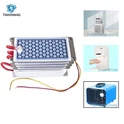
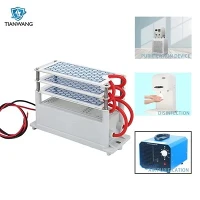
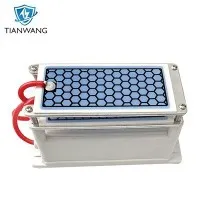
An ozone generator air is a device that produces ozone (O₃), a highly reactive gas composed of three oxygen atoms. Ozone is a powerful oxidizing agent that can be used for a variety of purposes, including air purification, water treatment, and odor removal. In this blog post, we'll explore what an ozone generator air is, how it works, and its applications.


What is an Ozone Generator Air?
An ozone generator air is a machine that creates ozone by using electricity to convert oxygen (O₂) molecules into ozone molecules. There are several methods for generating ozone, but the most common ones are corona discharge and ultraviolet (UV) light.
Corona Discharge Ozone Generators
Corona discharge ozone generators work by passing a high-voltage electrical current through a chamber filled with oxygen. The electrical current creates a corona discharge, which splits the oxygen molecules into individual oxygen atoms. These oxygen atoms then combine with other oxygen molecules to form ozone.
This method is widely used in industrial and commercial ozone generators because it can produce large amounts of ozone quickly and efficiently. However, corona discharge ozone generators can also produce nitrogen oxides (NOₓ), which are harmful pollutants. To minimize the production of NOₓ, these generators often use pure oxygen as a feed gas instead of air.
UV Ozone Generators
UV ozone generators use ultraviolet light to produce ozone. When UV light with a wavelength of around 185 nanometers hits oxygen molecules, it breaks them apart into individual oxygen atoms. These oxygen atoms then combine with other oxygen molecules to form ozone.
UV ozone generators are typically smaller and less expensive than corona discharge ozone generators. They are often used in residential applications, such as air purifiers and deodorizers. However, UV ozone generators produce ozone at a slower rate than corona discharge generators and are less efficient.
How Does an Ozone Generator Air Work?
The basic principle behind an ozone generator air is to create an environment where oxygen molecules can be converted into ozone. Once ozone is produced, it can react with various pollutants and contaminants in the air.
When ozone comes into contact with pollutants such as bacteria, viruses, mold spores, and volatile organic compounds (VOCs), it oxidizes them. Oxidation is a chemical reaction that involves the transfer of electrons. In the case of ozone, it donates an oxygen atom to the pollutant, which changes the chemical structure of the pollutant and often renders it harmless.
For example, when ozone reacts with a bacterium, it can break down the cell wall of the bacterium, killing it. Similarly, when ozone reacts with a VOC, it can break the chemical bonds of the VOC, reducing its concentration in the air.
Applications of Ozone Generator Air
Air Purification
One of the most common applications of ozone generator air is air purification. Ozone can effectively remove odors, bacteria, viruses, and other pollutants from the air. It can be used in homes, offices, hotels, and other indoor spaces to improve air quality.
For example, in a hotel room with a musty odor, an ozone generator can be used to eliminate the odor by oxidizing the organic compounds that cause it. In a hospital, ozone generators can be used to disinfect the air and reduce the spread of infectious diseases.
Water Treatment
Ozone is also widely used in water treatment. It can be used to disinfect water, remove impurities, and improve the taste and odor of water. Ozone is a more effective disinfectant than chlorine because it can kill a wider range of bacteria, viruses, and parasites.
In a water treatment plant, ozone is injected into the water to oxidize and remove contaminants such as iron, manganese, and organic matter. Ozone can also break down pesticides and other chemicals in the water.
Odor Removal
Ozone is a powerful odor eliminator. It can be used to remove unpleasant odors from various sources, such as garbage, sewage, and tobacco smoke. Ozone generators can be used in industrial settings, such as factories and warehouses, to control odors.
For example, in a food processing plant, an ozone generator can be used to remove the odor of spoiled food. In a sewage treatment plant, ozone can be used to reduce the odor of sewage.
Our Ozone Generator Air Products
As a supplier of ozone generator air, we offer a range of high-quality products to meet different needs. Our products are designed to be efficient, reliable, and easy to use.
- 20g Portable Ozone Generator Air Sterilizer: This portable ozone generator is perfect for small to medium-sized spaces. It can effectively sterilize the air and remove odors.
- 5g Ozone generator: Ideal for residential use, this ozone generator can purify the air in a room and improve air quality.
- 10g ozone generator Cleaner Ozonizer Odor Eliminator: This ozone generator is suitable for larger spaces and can effectively eliminate odors and purify the air.
Safety Considerations
While ozone can be beneficial for air purification and other applications, it can also be harmful to human health if inhaled in high concentrations. Ozone can irritate the respiratory system, cause coughing, shortness of breath, and chest pain. Prolonged exposure to high levels of ozone can also damage the lungs.
Therefore, it is important to use ozone generators safely. When using an ozone generator, make sure the area is well-ventilated and that people and pets are not present in the room. It is also recommended to follow the manufacturer's instructions and guidelines for safe use.
Contact Us for Purchase and Negotiation
If you are interested in our ozone generator air products or have any questions about ozone generators, please feel free to contact us. We are committed to providing high-quality products and excellent customer service. We look forward to discussing your needs and finding the best ozone generator solution for you.
References
- "Ozone Generators That Are Sold As Air Cleaners." US Environmental Protection Agency.
- "Ozone in Water Treatment." Water Research Foundation.
- "Air Purification Using Ozone." Journal of Environmental Science and Health.