Power consumption is a crucial factor when it comes to high voltage coils, especially in various applications where efficiency and performance are key. As a high voltage coil supplier, understanding the power consumption of these coils is essential for both our clients and us. In this blog, we will delve into the power consumption of high voltage coils, exploring the factors that influence it and its implications in different scenarios.
Understanding High Voltage Coils
High voltage coils are electrical components designed to generate high voltages through electromagnetic induction. They are widely used in a variety of applications, including medical equipment, beauty instruments, and industrial machinery. The basic principle behind a high voltage coil is the conversion of electrical energy into magnetic energy and then back into electrical energy at a higher voltage.

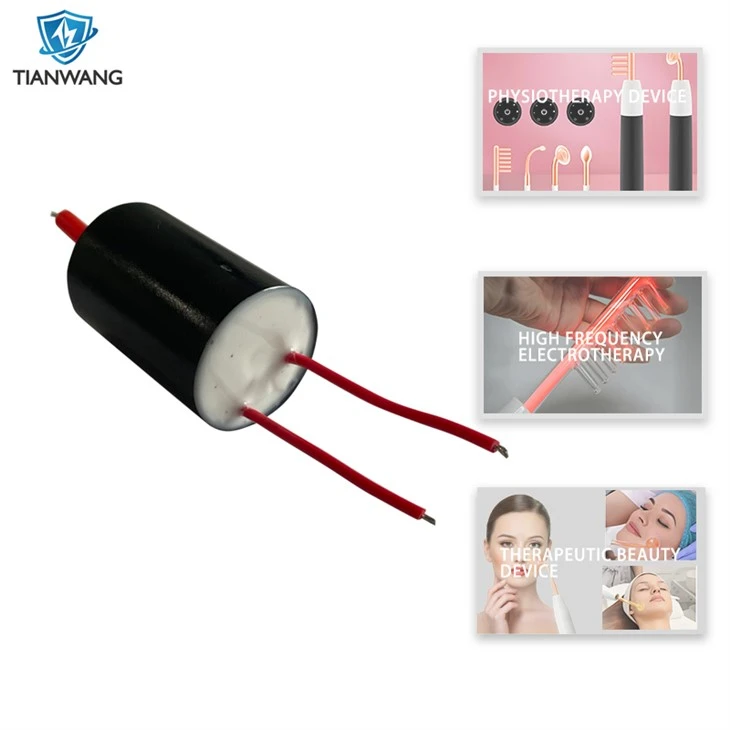
One of the most common types of high voltage coils is the ignition coil, which is used in internal combustion engines to generate the high voltage needed to ignite the fuel-air mixture. Another application is in beauty instruments, where high voltage coils are used to generate the electrical pulses required for various beauty treatments. For example, the Beauty Instrument Coil is specifically designed for use in beauty devices, providing the necessary high voltage for effective treatments.
Factors Affecting Power Consumption
The power consumption of a high voltage coil is influenced by several factors, including the coil's design, operating frequency, and the load it is driving.
- Coil Design: The design of the coil, including the number of turns, the gauge of the wire, and the core material, can significantly affect its power consumption. A coil with more turns will generally have a higher inductance, which can increase the power consumption. Additionally, the type of core material used can also impact the efficiency of the coil. For example, a ferrite core can reduce the eddy current losses, resulting in lower power consumption.
- Operating Frequency: The operating frequency of the coil also plays a crucial role in determining its power consumption. Higher frequencies generally result in higher power consumption due to increased losses in the coil. However, some applications require high frequencies to achieve the desired performance, so a balance must be struck between frequency and power consumption.
- Load: The load connected to the coil can also affect its power consumption. A heavier load will require more power to drive, resulting in higher power consumption. It is important to match the coil to the load to ensure efficient operation.
Measuring Power Consumption
Measuring the power consumption of a high voltage coil can be challenging due to the high voltages involved. However, there are several methods that can be used to accurately measure the power consumption.
- Power Meter: A power meter can be used to measure the power consumption of the coil directly. This method is relatively straightforward and provides accurate results. However, it requires a power meter that is capable of measuring high voltages and currents.
- Calculation: Another method is to calculate the power consumption based on the coil's specifications and the operating conditions. This method requires knowledge of the coil's inductance, resistance, and the voltage and current applied to the coil. By using the appropriate formulas, the power consumption can be calculated.
Implications of Power Consumption
The power consumption of a high voltage coil has several implications for its performance and efficiency.
- Efficiency: Higher power consumption can reduce the efficiency of the coil, resulting in more energy being wasted as heat. This can not only increase the operating costs but also reduce the lifespan of the coil. Therefore, it is important to design and select high voltage coils with low power consumption to improve efficiency.
- Heat Generation: High power consumption can also lead to increased heat generation in the coil. Excessive heat can damage the coil and other components in the system, reducing the reliability and performance of the equipment. Therefore, proper cooling measures must be implemented to ensure that the coil operates within a safe temperature range.
- Cost: The power consumption of a high voltage coil can also have a significant impact on the overall cost of the system. Higher power consumption means higher energy costs, which can add up over time. Therefore, it is important to consider the power consumption of the coil when selecting a high voltage coil for a particular application.
Applications and Power Consumption
Different applications have different requirements for high voltage coils, and the power consumption can vary depending on the application.
- Beauty Instruments: In beauty instruments, high voltage coils are used to generate the electrical pulses required for various beauty treatments. The power consumption of these coils is relatively low, as they are designed to operate at low frequencies and with low loads. For example, the High Frequency Transformer For Beauty Instrument Device is designed to provide a high voltage output with low power consumption, making it suitable for use in beauty devices.
- Industrial Machinery: In industrial machinery, high voltage coils are used in a variety of applications, such as welding, cutting, and plasma generation. These applications require high power output and high operating frequencies, resulting in higher power consumption. For example, the 20KV high Frequency High voltage Ignition Coil is designed to provide a high voltage output for gas burners, which requires a high power input.
Conclusion
In conclusion, the power consumption of a high voltage coil is an important factor to consider when selecting a coil for a particular application. By understanding the factors that influence power consumption and measuring it accurately, we can design and select high voltage coils that are efficient and reliable. As a high voltage coil supplier, we are committed to providing our clients with high-quality coils that meet their specific requirements. If you are interested in learning more about our high voltage coils or have any questions about power consumption, please feel free to contact us for a consultation. We look forward to working with you to find the best solution for your needs.
References
- Grover, F. W. (1946). Inductance Calculations: Working Formulas and Tables. Dover Publications.
- Hayt, W. H., & Kemmerly, J. E. (2001). Engineering Circuit Analysis. McGraw-Hill.
- Ulaby, F. T., Ravaioli, U., & Maharbiz, M. M. (2010). Fundamentals of Applied Electromagnetics. Prentice Hall.