As a well - established supplier of gas stove igniters, I often encounter customers who are confused about the differences between piezo and electronic gas stove igniters. Understanding these differences is crucial as it helps consumers make informed decisions when purchasing new igniters or replacing old ones. In this blog post, we'll delve deep into these two types of igniters, examining their working principles, features, advantages, and disadvantages.
Working Principles
Piezo Gas Stove Igniter
A piezo gas stove igniter operates on the principle of piezoelectricity. Piezoelectric materials such as quartz can generate an electric charge when they are subjected to mechanical stress. In a piezo igniter, when you press the ignition button, a spring - loaded hammer strikes a piezoelectric crystal. This sudden impact causes a high - voltage electric current to be produced. The high - voltage current then travels through a wire to an electrode at the burner. A spark is generated between the electrode and the burner, which ignites the gas.
The beauty of the piezo igniter lies in its simplicity. It doesn't require an external power source like batteries or electricity from the grid. It's a self - contained system that can be used in a variety of gas stoves, including portable ones.
Electronic Gas Stove Igniter
Electronic igniters, on the other hand, rely on electrical power. There are two common types of power sources for electronic igniters: batteries or direct electrical connection to the mains. The electronic circuit in these igniters creates a high - voltage pulse. This is typically done through a step - up transformer or a pulse generator.
The high - voltage pulse is sent to the electrode near the burner. Similar to the piezo igniter, a spark is created which ignites the gas. Electronic igniters are designed to be more precise and consistent in generating sparks. They can often produce multiple sparks in quick succession, which improves the ignition success rate.
Features of Piezo and Electronic Igniters
Build and Design
Piezo igniters are often more straightforward in their construction. They usually consist of a simple housing that contains the piezoelectric crystal, the hammer mechanism, and the electrical wires leading to the electrode. This simplicity makes them relatively inexpensive to manufacture and also easy to install in basic gas stoves.
Electronic igniters, however, are more complex. They house an electronic circuit board that is responsible for generating the high - voltage pulses. Due to their need for a power source, they may also have additional components such as battery compartments or electrical connectors. The design of electronic igniters allows for more advanced features and better control over the ignition process.
Ignition Performance
When it comes to ignition performance, electronic igniters generally have an edge. They can produce a series of rapid sparks, which increases the likelihood of igniting the gas, especially in conditions where the gas flow might be inconsistent or the environment is a bit drafty. Piezo igniters, on the other hand, usually produce a single spark per strike. In ideal conditions, this single spark is sufficient, but in less - than - perfect situations, the ignition may fail.
Durability
Piezo igniters are known for their durability. Since they don't have complex electronic components and don't rely on external power sources that could fail, they can last a long time. The main wear - and - tear part is the hammer mechanism, which can be easily replaced if it malfunctions.

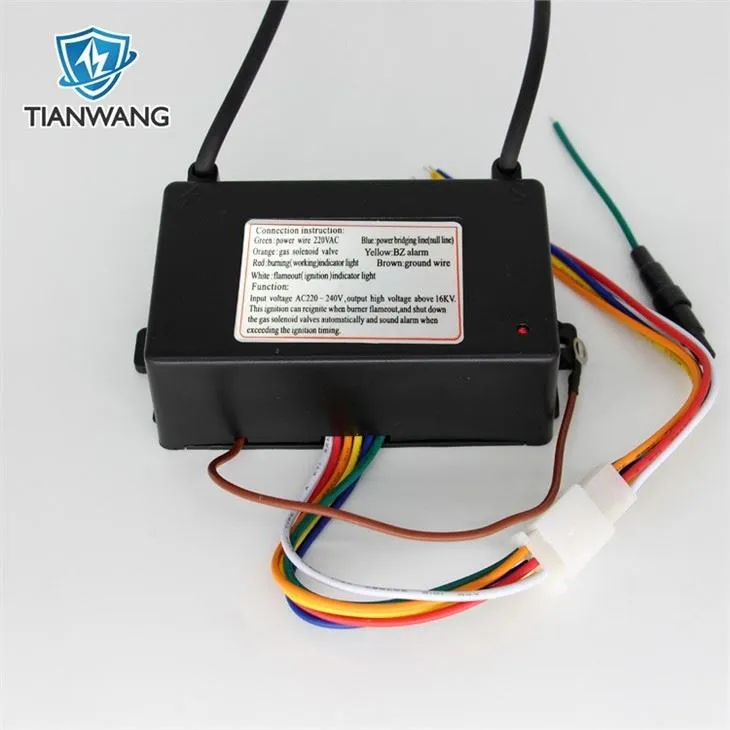
Electronic igniters, while highly effective, may be more prone to failure. The electronic circuit boards can be sensitive to moisture, temperature changes, and electrical surges. However, with proper design and quality manufacturing, most modern electronic igniters can also have a decent lifespan.
Advantages of Piezo Igniters
- Cost - Effective: Piezo igniters are generally more affordable. Their simple design and lack of need for external power sources make them a budget - friendly option for many consumers. For those looking to replace an igniter on a tight budget or for manufacturers who want to keep the cost of their gas stoves low, piezo igniters are an excellent choice.
- No Power Dependency: As mentioned earlier, piezo igniters don't require batteries or a connection to the mains. This makes them ideal for portable gas stoves, camping stoves, and other applications where a reliable power source may not be available.
Disadvantages of Piezo Igniters
- Single Spark Issue: The single - spark nature of piezo igniters can lead to ignition failures, especially in sub - optimal conditions. A brief interruption in the gas flow or a small draft can prevent the single spark from igniting the gas.
- Limited Ignition Frequency: Without application of force again (pressing the button), there's no new spark. So, if the first attempt fails, the user has to repeat the action to generate another spark.
Advantages of Electronic Igniters
- High Ignition Success Rate: The ability to produce multiple sparks in quick succession greatly improves the ignition success rate. This is particularly useful in larger stoves or stoves that are used in windy outdoor environments.
- Customizable Ignition Patterns: Some electronic igniters can be programmed to have different ignition patterns. This allows for better control over the ignition process and can be tailored to specific stove designs or gas types.
Disadvantages of Electronic Igniters
- Power Dependency: The need for a power source is a significant drawback. If the batteries run out or there's a problem with the electrical connection, the igniter won't work. This can be inconvenient, especially in situations where a replacement power source is not readily available.
- Higher Cost: Due to their complex design and additional components, electronic igniters are generally more expensive than piezo igniters. This can be a deterrent for price - sensitive consumers.
Our Product Range
As a gas stove igniter supplier, we offer a wide variety of igniters to meet different customer needs. For those interested in reliable piezo - based solutions, we have sturdy and long - lasting options that can be easily incorporated into various gas stove models.
If you're looking for high - performance electronic igniters, we've got you covered as well. Our 18 Volt Propane Igniter is designed to provide a powerful and consistent spark for propane - powered stoves. It's a great choice for both indoor and outdoor applications.
For users who prefer a mains - powered option, our 220VAC Infrared Electric Pulse Sparker Igniter offers reliable ignition with the convenience of direct electrical connection. And if you're in the market for spare parts for more complex systems like diesel burners, our Diesel Burner Ignition Controller Gas Ignitor Transformer Oven Gas Burner Spare Parts can be an essential addition to your inventory.
Conclusion
In conclusion, the choice between a piezo and an electronic gas stove igniter depends on several factors such as budget, ignition performance requirements, and the availability of power sources. Piezo igniters are simple, cost - effective, and don't require external power, but they may have limitations in terms of ignition success under challenging conditions. Electronic igniters offer high ignition success rates and customizable features, but they come at a higher cost and rely on power sources.
As a supplier, we're here to help you make the right choice. Whether you're a manufacturer looking for igniters to integrate into your gas stoves or a consumer looking to replace an old igniter, we can provide you with the expertise and products you need. If you're interested in learning more about our gas stove igniters or would like to discuss your specific requirements, we welcome you to reach out to us for further information and to initiate procurement discussions.
References
- "Principles of Piezoelectricity" - Physics Today Journal
- "Advances in Electronic Ignition Technology for Gas Appliances" - Appliance Technology Review