Hey there! As a home air purifier supplier, I often get asked about the difference between a true HEPA and a HEPA - type home air purifier. Let's dive right into it and clear up any confusion.
What is a True HEPA Air Purifier?
A true HEPA (High - Efficiency Particulate Air) air purifier is the real deal when it comes to cleaning the air in your home. The HEPA standard was originally developed by the US Department of Energy during the Manhattan Project to trap radioactive particles. These filters are designed to capture at least 99.97% of particles that are 0.3 microns in diameter. Sounds technical, right? Well, to put it in simpler terms, it can catch a whole bunch of tiny stuff floating around in the air.
True HEPA filters are great at removing things like dust, pollen, pet dander, mold spores, and even some bacteria and viruses. They work by forcing air through a fine mesh of fibers. The particles get trapped in the fibers as the air passes through, leaving you with cleaner, fresher air.


One of the key benefits of a true HEPA air purifier is its high level of efficiency. If you or someone in your family has allergies or asthma, a true HEPA filter can make a huge difference. It can significantly reduce the amount of allergens in the air, which means fewer sneezes, less wheezing, and a more comfortable living environment.
What is a HEPA - Type Air Purifier?
On the other hand, a HEPA - type air purifier sounds similar, but there are some important differences. HEPA - type filters are designed to mimic the performance of true HEPA filters, but they don't meet the strict 99.97% efficiency standard for 0.3 - micron particles.
HEPA - type filters can still do a decent job of removing larger particles from the air, like dust and some pollen. However, they may not be as effective at capturing the really small particles that can cause health problems. They are often less expensive than true HEPA filters, which makes them an attractive option for some consumers.
But here's the thing: if you're looking for the best possible air purification, especially if you have serious health concerns related to air quality, a HEPA - type filter might not cut it. You might end up with some particles still lingering in the air, which could potentially trigger allergies or other health issues.
Performance Comparison
Let's talk about how these two types of air purifiers stack up in terms of performance. True HEPA air purifiers are like the heavyweights of the air purification world. They can handle a wide range of particle sizes and are very effective at removing even the tiniest particles.
In contrast, HEPA - type air purifiers are more like the middleweights. They can handle larger particles well, but they may struggle with the smaller ones. For example, if you have a lot of dust in your home, a HEPA - type filter might be able to remove most of it. But if you're dealing with things like smoke particles or very fine dust, a true HEPA filter will do a much better job.
Another aspect to consider is the lifespan of the filters. True HEPA filters usually last longer than HEPA - type filters. This is because they are made of higher - quality materials and are designed to withstand more wear and tear. You won't have to replace them as often, which can save you money in the long run.
Cost and Maintenance
Cost is always a factor when it comes to buying an air purifier. True HEPA air purifiers tend to be more expensive upfront. This is because of the high - quality materials and the strict manufacturing standards they have to meet. However, as I mentioned earlier, they can last longer, so you might end up saving money over time.
HEPA - type air purifiers are generally more affordable. If you're on a tight budget, they can be a good option. But keep in mind that you may need to replace the filters more frequently, which can add up over time.
Maintenance is also an important consideration. True HEPA filters usually require less maintenance. You just need to clean or replace the filter according to the manufacturer's instructions. HEPA - type filters may need more frequent cleaning or replacement, depending on how much use they get.
Other Considerations
When choosing between a true HEPA and a HEPA - type air purifier, there are a few other things to think about. For example, the size of the room you want to purify matters. If you have a large room, a true HEPA air purifier with a higher CADR (Clean Air Delivery Rate) might be a better choice.
You also need to consider the noise level of the air purifier. Some true HEPA air purifiers can be a bit noisy, especially on high settings. If you're planning to use the air purifier in a bedroom or a quiet office, you might want to look for a model that operates quietly.
Our Product Offerings
As a home air purifier supplier, we offer a range of options to suit different needs and budgets. We have both true HEPA and HEPA - type air purifiers in our product lineup.
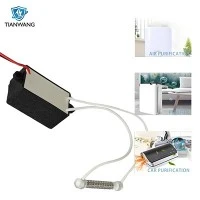
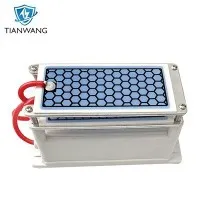
In addition to our air purifiers, we also offer some other great products that can help improve your indoor air quality. For example, we have the 20g Portable Ozone Generator Air Sterilizer. This ozone generator can help eliminate odors and sterilize the air in your home.
We also have the 5g Ozone generator, which is a more compact option for smaller spaces. And if you need something in between, our 10g ozone generator Cleaner Ozonizer Odor Eliminator is a great choice.
Conclusion
So, to sum it up, the main difference between a true HEPA and a HEPA - type home air purifier lies in their efficiency and performance. True HEPA air purifiers are more effective at capturing small particles and are generally of higher quality, but they can be more expensive. HEPA - type air purifiers are more affordable but may not offer the same level of air purification.
If you're serious about improving your indoor air quality, especially if you have health concerns, a true HEPA air purifier is probably the way to go. But if you're on a budget and just need basic air purification, a HEPA - type air purifier can still do the job.
If you're interested in learning more about our products or have any questions, don't hesitate to reach out to us. We're here to help you make the best choice for your home and your health. Let's get your indoor air clean and fresh!
References
- American Lung Association. (2023). How to Choose an Air Purifier.
- US Environmental Protection Agency. (2023). Air Purifiers and Cleaners.