As a supplier of home air purifiers, I often encounter customers who are confused about the various types of filters available in the market. Two of the most common types are HEPA and activated carbon filters. In this blog post, I'll explain the differences between these two filters, their unique features, and how they contribute to creating a healthier indoor environment.
HEPA Filters: The Particle Catcher
HEPA stands for High-Efficiency Particulate Air. These filters are designed to trap very small particles from the air that passes through them. According to the US Department of Energy, a true HEPA filter must be able to remove at least 99.97% of airborne particles that are 0.3 microns in diameter. To put this into perspective, a human hair is about 70 microns in diameter, so the particles that HEPA filters can catch are incredibly tiny.
The typical use cases for HEPA filters in home air purifiers are numerous. If you or someone in your family suffers from allergies or asthma, HEPA filters can be a game-changer. They can capture common allergens such as pollen, dust mites, pet dander, and mold spores. For families with pets, a HEPA - filtered air purifier can significantly reduce the amount of fur and dander in the air, making the home more comfortable for everyone.
One of the limitations of HEPA filters is that they mainly focus on particulate matter. They are not effective in removing gaseous pollutants such as volatile organic compounds (VOCs), smoke odors, and chemicals. For instance, if you've just painted a room or are using certain cleaning products that emit strong fumes, a HEPA filter alone won't be sufficient to eliminate the unpleasant smells and harmful gases.
Activated Carbon Filters: The Gas Absorber
Activated carbon filters operate on a different principle compared to HEPA filters. These filters are made of carbon that has been treated to make it extremely porous. The large surface area of the activated carbon allows it to adsorb (not absorb) a wide range of gaseous pollutants and odors. When air passes through an activated carbon filter, the gas molecules stick to the surface of the carbon pores.
Activated carbon filters are excellent at removing odors. They can be used in various situations where bad smells are a problem. For example, in kitchens to get rid of cooking odors, in bathrooms to eliminate unpleasant bathroom smells, and in rooms where people smoke to reduce the smoke odor. They are also effective in removing VOCs, which are commonly found in new furniture, carpets, and cleaning products. VOCs can cause a variety of health problems, including headaches, dizziness, and irritation of the eyes, nose, and throat.


However, activated carbon filters have their own set of limitations. They are not very efficient at capturing particulate matter. Small particles like dust and pollen can easily pass through the large pores of the activated carbon. So, if your main concern is reducing the amount of dust in the air, an activated carbon filter alone won't be the best choice.
How They Complement Each Other
While HEPA and activated carbon filters have their individual strengths and limitations, they work extremely well when combined in a home air purifier. A high - quality air purifier often contains both a HEPA filter and an activated carbon filter in its filtration system.
The HEPA filter takes care of capturing the solid particles, ensuring that the air you breathe is free from allergens and dust. Meanwhile, the activated carbon filter deals with the gaseous pollutants and odors, making the air smell fresh and clean. This combination provides comprehensive air purification, addressing both particulate and gaseous contaminants.
Our Product Offerings
As a home air purifier supplier, we understand the importance of providing effective air purification solutions. Our air purifiers are equipped with both HEPA and activated carbon filters to offer the best of both worlds. In addition to our standard air purifiers, we also offer ozone generators that can further enhance the air purification process.
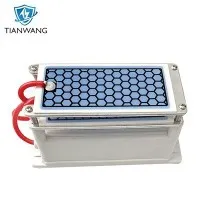
We have a range of ozone generators available, such as the 5g Ozone generator, the 10g ozone generator Cleaner Ozonizer Odor Eliminator, and the 20g Portable Ozone Generator Air Sterilizer. Ozone generators work by producing ozone, which can break down and neutralize various pollutants, including bacteria, viruses, and some types of odors. However, it's important to use ozone generators with caution as high levels of ozone can be harmful to human health.
Making the Right Choice
When choosing a home air purifier, you need to consider your specific needs. If you have allergies or are mainly concerned about particulate matter, a purifier with a high - quality HEPA filter should be a top priority. On the other hand, if you're struggling with odors and gaseous pollutants, an air purifier with a good activated carbon filter is essential. And if you want a comprehensive solution, look for a purifier that combines both types of filters.
Contact Us for Purchase and Consultation
If you're interested in purchasing our home air purifiers or ozone generators, or if you have any questions about air purification, we're here to help. Contact us to start a discussion about your air purification needs. Our team of experts can provide you with detailed information and help you choose the right products for your home.
References
US Department of Energy. (Publication date). High - Efficiency Particulate Air (HEPA) Filters. Retrieved from: [URL where the DOE information about HEPA filters can be found]
General knowledge about activated carbon filter technology. (No specific publication date). Various scientific and industry sources.
Remember, clean air is essential for a healthy home. Let us help you create the best indoor environment for you and your family.