Electromagnetic interference (EMI) is a phenomenon that can significantly impact the performance of high voltage coils. As a high voltage coil supplier, I have witnessed firsthand the challenges and implications that EMI poses to these critical components. In this blog post, I will delve into the effects of electromagnetic interference on high voltage coils, exploring the mechanisms, consequences, and potential solutions.
Understanding Electromagnetic Interference
Electromagnetic interference refers to the disruption of electrical signals by electromagnetic radiation. This radiation can originate from a variety of sources, including power lines, radio transmitters, electrical appliances, and even natural phenomena such as lightning. When high voltage coils are exposed to EMI, the electromagnetic fields generated by these sources can induce unwanted currents and voltages within the coil, leading to a range of performance issues.
Effects of Electromagnetic Interference on High Voltage Coils
1. Signal Distortion
One of the most common effects of EMI on high voltage coils is signal distortion. When electromagnetic radiation interferes with the electrical signals within the coil, it can cause the signals to become distorted or corrupted. This can result in inaccurate measurements, reduced signal strength, and even complete signal loss. In applications where precise signal transmission is crucial, such as in medical equipment or communication systems, signal distortion can have serious consequences.
2. Noise and Interference
EMI can also introduce noise and interference into the electrical signals within the high voltage coil. This noise can manifest as random fluctuations in the signal, which can make it difficult to distinguish the desired signal from the background noise. In some cases, the noise can be so severe that it completely masks the signal, rendering the coil ineffective. Noise and interference can also cause false readings and errors in electronic systems, leading to malfunctions and reduced reliability.
3. Overheating
Another potential effect of EMI on high voltage coils is overheating. When electromagnetic radiation induces unwanted currents within the coil, these currents can generate heat. If the heat is not dissipated properly, it can cause the coil to overheat, which can damage the insulation and other components of the coil. Overheating can also reduce the lifespan of the coil and increase the risk of failure.
4. Component Damage
In extreme cases, EMI can cause physical damage to the high voltage coil. The electromagnetic fields generated by EMI can induce high voltages and currents within the coil, which can exceed the rated capacity of the components. This can lead to arcing, short circuits, and other forms of damage to the coil. Component damage can be costly to repair or replace, and it can also result in downtime and lost productivity.
Mitigating the Effects of Electromagnetic Interference
As a high voltage coil supplier, I understand the importance of mitigating the effects of electromagnetic interference. There are several strategies that can be employed to reduce the impact of EMI on high voltage coils, including:
1. Shielding
One of the most effective ways to protect high voltage coils from EMI is to use shielding. Shielding involves enclosing the coil in a conductive material, such as metal, to block the electromagnetic radiation. The shielding material acts as a Faraday cage, preventing the electromagnetic fields from penetrating the coil. Shielding can be used in combination with other EMI mitigation techniques to provide a high level of protection.

2. Filtering
Filtering is another important technique for reducing the effects of EMI on high voltage coils. Filters can be used to remove unwanted frequencies from the electrical signals within the coil, reducing the noise and interference. There are several types of filters available, including low-pass filters, high-pass filters, and band-pass filters. The type of filter used will depend on the specific requirements of the application.
3. Grounding
Proper grounding is essential for reducing the effects of EMI on high voltage coils. Grounding provides a path for the electrical currents induced by EMI to flow safely to the ground, preventing them from causing damage to the coil. Grounding can also help to reduce the electromagnetic fields generated by the coil, which can further reduce the risk of EMI.
4. Design Optimization
In addition to shielding, filtering, and grounding, design optimization can also play a crucial role in reducing the effects of EMI on high voltage coils. By carefully designing the coil and its associated components, it is possible to minimize the impact of EMI. This can include using materials with low electromagnetic susceptibility, optimizing the layout of the coil, and reducing the length of the electrical connections.
Our High Voltage Coil Products
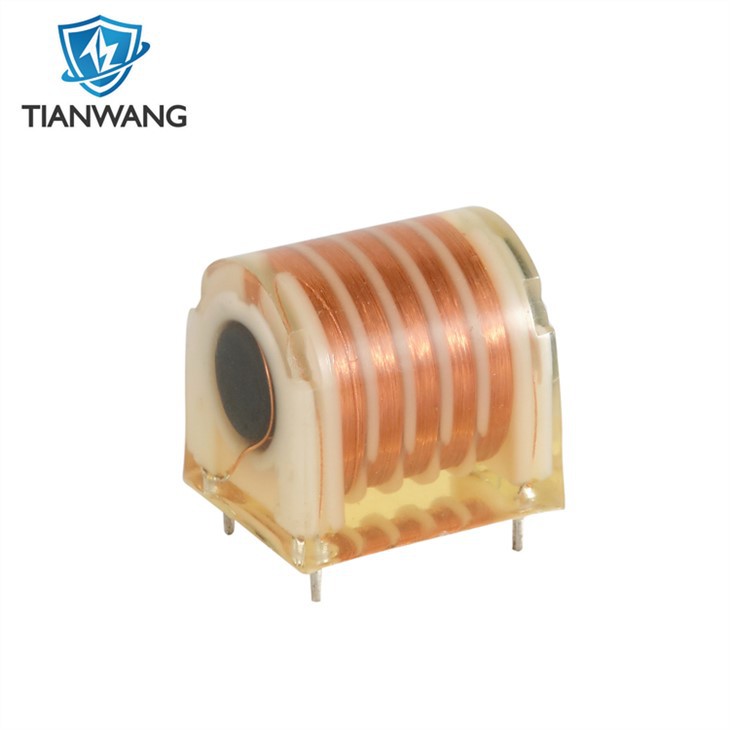
At our company, we offer a wide range of high voltage coils that are designed to withstand the effects of electromagnetic interference. Our products are manufactured using high-quality materials and advanced manufacturing techniques to ensure reliable performance and long service life. Some of our popular products include:
- Ferrite High Frequency Transformer For Gas And Oil Burners: This transformer is designed for use in gas and oil burners, providing high voltage output with low electromagnetic interference.
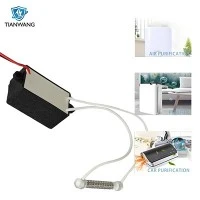
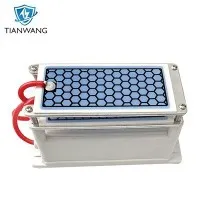
- High Voltage Transformer Ozone Generator: This transformer is used in ozone generators, providing high voltage output for the generation of ozone.
- High Voltage Ignition Transformer For Water Heater: This transformer is designed for use in water heaters, providing high voltage output for ignition.
Contact Us for High Voltage Coil Procurement
If you are in need of high voltage coils that can withstand the effects of electromagnetic interference, we invite you to contact us for a consultation. Our team of experts can help you select the right product for your specific application and provide you with the technical support you need to ensure optimal performance. We are committed to providing our customers with high-quality products and excellent customer service, and we look forward to working with you.
References
- Electromagnetic Compatibility (EMC) Standards and Guidelines
- High Voltage Coil Design and Manufacturing Best Practices
- EMI Mitigation Techniques for Electrical Systems