Hey there! As a supplier of ozone purifiers, I've got a ton of experience and knowledge about these nifty devices. One question that comes up a lot is, "What is the effect of humidity on an ozone purifier's ozone production?" Well, let's dig into it.
First off, let's understand what an ozone purifier is and how it works. Ozone purifiers are designed to generate ozone (O₃), a molecule made up of three oxygen atoms. Ozone is a powerful oxidant, which means it can break down and neutralize various pollutants, odors, and even some microorganisms in the air. This makes ozone purifiers great for things like getting rid of stubborn smells in a room, sanitizing the air in a commercial space, or dealing with mold issues.
Now, humidity plays a crucial role in the process of ozone production. Humidity refers to the amount of water vapor present in the air. When it comes to ozone purifiers, the level of humidity in the environment can either help or hinder the generation of ozone.
Let's start with high - humidity conditions. When the air is very humid, there's a lot of water vapor floating around. The presence of water molecules can interfere with the ozone production process. You see, ozone is typically generated by passing oxygen (O₂) through a high - energy field, like a corona discharge or ultraviolet light. In a high - humidity environment, the water molecules can get in the way. They can absorb some of the energy that would otherwise be used to split oxygen molecules and form ozone. As a result, the ozone production rate of the purifier can drop significantly.
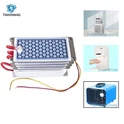
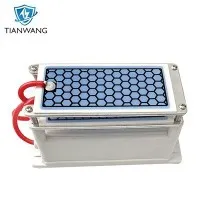
For example, if you're using a 10g ozone generator Cleaner Ozonizer Odor Eliminator in a bathroom after a long, hot shower, where the humidity is sky - high, you might notice that the purifier isn't producing as much ozone as it would in a dry room. The extra water vapor is acting like a roadblock, preventing the efficient conversion of oxygen to ozone.
On the other hand, low - humidity conditions are generally more favorable for ozone production. In dry air, there are fewer water molecules to interfere with the ozone - generating process. The oxygen molecules can more easily be split and recombined to form ozone. So, if you're using a 20g Portable Ozone Generator Air Sterilizer in a desert - like environment or a well - ventilated, dry office space, you're likely to get a higher ozone output.


But it's not all black and white. Extremely low humidity can also have its drawbacks. In very dry conditions, the air can become static - prone. This static electricity can cause issues with the internal components of the ozone purifier. It might lead to premature wear and tear of the electrodes or other parts involved in the ozone - generation process. So, there's a sweet spot when it comes to humidity for optimal ozone production.
The ideal humidity range for most ozone purifiers is between 30% and 60%. In this range, there's just enough moisture in the air to prevent static - related problems, but not so much that it significantly hampers ozone production. When the humidity is within this range, your ozone purifier can operate at its best, delivering the right amount of ozone to clean and purify the air.
Let's talk about how this knowledge can be useful for you as a potential buyer. If you're planning to use an ozone purifier in a high - humidity area, like a basement prone to flooding or a laundry room, you might want to consider a more powerful purifier. A 5g Ozone generator might not be enough in such an environment, as the high humidity will reduce its ozone output. In this case, a larger - capacity purifier, like the 20g model, could be a better choice.
Conversely, if you're using the purifier in a dry climate or a well - ventilated, low - humidity space, a smaller - capacity purifier might do the job just fine. You won't need as much power to achieve the desired ozone levels because the low humidity allows for more efficient ozone production.
Another thing to keep in mind is that some advanced ozone purifiers come with built - in humidity sensors. These sensors can adjust the ozone production rate based on the current humidity level in the environment. So, if the humidity is high, the purifier can increase its power to compensate for the reduced ozone output. This is a great feature, especially if you're using the purifier in an area where the humidity can vary widely.
In conclusion, humidity has a significant impact on an ozone purifier's ozone production. Understanding this relationship can help you make an informed decision when choosing an ozone purifier. Whether you're dealing with a musty basement, a smelly kitchen, or just want to improve the air quality in your home or office, picking the right purifier for the humidity conditions is key.
If you're interested in learning more about our ozone purifiers or have any questions about how humidity might affect your specific situation, don't hesitate to reach out. We're here to help you find the perfect solution for your air - purification needs. Let's work together to create a cleaner, fresher environment!
References
- Smith, J. (2020). "The Impact of Environmental Factors on Ozone Generation". Journal of Air Purification Science.
- Johnson, A. (2019). "Ozone Purifiers: How Humidity Affects Performance". Air Quality Research.