Yo, what's up everyone! I'm a supplier of stun guns, and today I wanna chat about something super important when it comes to these self - defense tools: the frequency of the electrical pulses in a stun gun.
First off, let's understand what electrical pulses in a stun gun are all about. A stun gun works by delivering a series of high - voltage electrical pulses to an attacker. These pulses disrupt the normal functioning of the body's neuromuscular system, causing temporary muscle incapacitation and pain. But the frequency of these pulses plays a crucial role in how effective the stun gun is.
The frequency of electrical pulses is measured in Hertz (Hz), which basically tells us how many pulses are delivered per second. Different stun guns have different pulse frequencies, and this can have a big impact on their performance.
Now, why does the frequency matter? Well, when a stun gun has the right frequency, it can better interact with the body's electrical signals. Our bodies rely on electrical impulses to control muscle movement. When a stun gun sends out electrical pulses at an appropriate frequency, it can override the body's natural signals. This makes the muscles contract uncontrollably, leaving the attacker unable to move properly.
Most stun guns on the market have a frequency ranging from 1 to 100 Hz. Lower frequencies, say around 1 - 10 Hz, might not be as effective in quickly incapacitating an attacker. The pulses are spaced out too far, and the body may not respond as strongly. On the other hand, frequencies above 50 Hz can be very effective. A frequency around 50 - 100 Hz can cause rapid and intense muscle contractions, which is exactly what we want in a self - defense situation.
Let me give you an example. If you've ever seen a stun gun in action in a movie or a self - defense demonstration, the person getting zapped usually jerks and falls to the ground. That's because the stun gun's electrical pulses at the right frequency are overwhelming the body's normal muscle control.
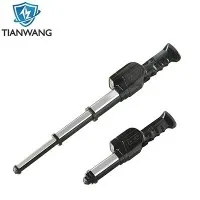
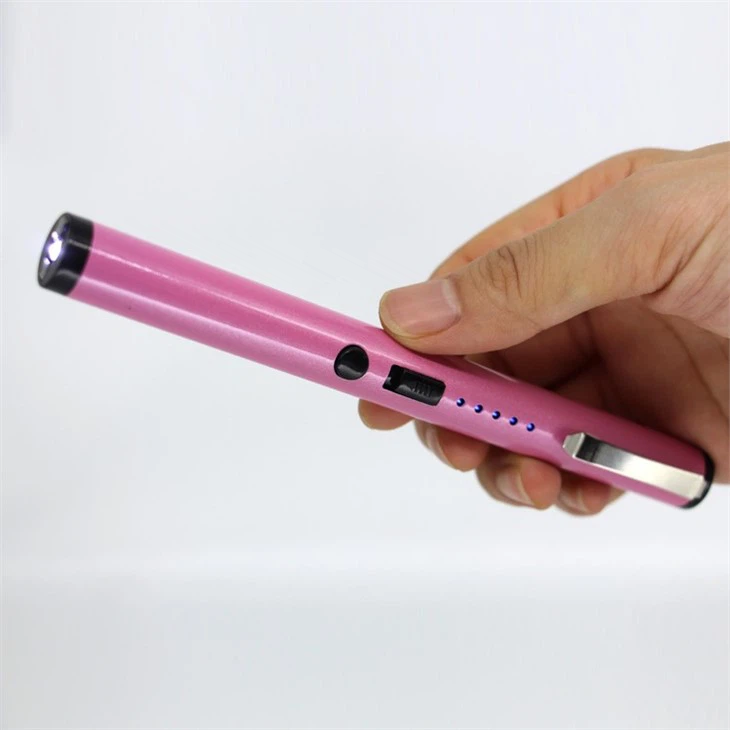
At our company, we've done a ton of research on the ideal frequency for stun guns. We know that getting this right is key to making a top - notch self - defense product. Our High Power Pain Pen Stun Gun is a great example. It's been engineered to deliver electrical pulses at an optimized frequency that maximizes its effectiveness.
The design of our stun guns takes into account not only the frequency but also other factors like voltage and amperage. Voltage is important because it determines how easily the electrical current can penetrate the skin. But without the right frequency, even a high - voltage stun gun might not work as well as it should.
We also consider the safety of our customers. While stun guns are meant to be a non - lethal self - defense option, we make sure that the frequency of the electrical pulses is within a range that won't cause long - term harm. The goal is to stop an attacker in their tracks without causing permanent damage.
Another thing to keep in mind is that different situations might call for different frequencies. For example, if you're in a close - quarters self - defense situation where you need to quickly subdue an attacker, a higher frequency stun gun would be better. But if you're using it as a deterrent from a bit of a distance, a stun gun with a slightly lower frequency might still work to scare off the attacker.
Now, let's talk about how we test the frequency of our stun guns. We use specialized equipment to measure the exact frequency of the electrical pulses. This equipment is calibrated to give us accurate readings so that we can ensure each stun gun meets our high standards.
We also conduct real - world tests. We have volunteers (who are fully informed and protected) test out our stun guns in controlled environments. This helps us see how the stun guns perform in actual use and if the frequency is having the desired effect.
As a stun gun supplier, we're always looking for ways to improve our products. We're constantly researching new frequencies and technologies to make our stun guns even more effective. We're in this business to provide reliable self - defense solutions to people who need them.
If you're in the market for a stun gun, don't just focus on the voltage. The frequency of the electrical pulses is just as important. And if you're interested in our High Power Pain Pen Stun Gun or any of our other products, we'd love to hear from you. Whether you're an individual looking for personal protection or a business interested in bulk purchasing, we're here to help. Reach out to us, and let's have a chat about your self - defense needs.
In conclusion, the frequency of the electrical pulses in a stun gun is a critical factor in its performance. It can mean the difference between a stun gun that just gives a little shock and one that can effectively stop an attacker. So, if you're considering buying a stun gun, make sure you know what frequency it operates at. And if you're interested in our high - quality stun guns, don't hesitate to contact us for more information or to start a purchase negotiation.
References:

- Electrical Engineering textbooks on pulsed power systems
- Research papers on the effects of electrical stimulation on the human neuromuscular system
- Internal company research reports on stun gun development