Ozone, a molecule composed of three oxygen atoms (O₃), is a powerful oxidant that has gained significant attention in the realm of air purification. As a supplier of ozone air purifiers, I've witnessed firsthand the growing interest in ozone's potential to improve indoor air quality. However, it's crucial to understand the impact of ozone on furniture and fabrics, as these are integral parts of our living and working spaces.
The Chemical Nature of Ozone and Its Reactivity
Ozone is a highly reactive gas. Its extra oxygen atom makes it unstable, and it readily reacts with other substances in an attempt to return to the more stable di - oxygen (O₂) form. This reactivity is what gives ozone its strong oxidizing properties. When ozone comes into contact with organic materials, which are abundant in furniture and fabrics, it can initiate a series of chemical reactions.
Impact on Furniture
Wood Furniture
Wood is a natural material made up of cellulose, hemicellulose, and lignin. Ozone can react with the lignin in wood. Lignin is responsible for the rigidity and brown color of wood. Oxidation of lignin by ozone can lead to a change in the color of the wood, often causing it to become lighter or take on a bleached appearance over time. Additionally, the chemical reactions can weaken the structure of the wood at a microscopic level. This may result in the wood becoming more brittle, which can increase the likelihood of cracking or splitting, especially in older or already - stressed wood furniture.
Upholstered Furniture
Upholstered furniture typically has a fabric covering and a foam or fiber filling. The fabric can be affected in several ways. Ozone can break down the chemical bonds in the dyes used to color the fabric. This leads to fading, especially in brightly colored fabrics. For example, a red - upholstered sofa may gradually lose its vibrant color and turn a duller shade.
The foam or fiber filling inside the upholstery can also be damaged. Ozone can oxidize the polymers in the foam, causing it to break down and lose its elasticity. Over time, the foam may become crumbly, and the furniture may lose its shape and comfort.
Metal Furniture
Although metal is generally more resistant to ozone than organic materials, certain metals can still be affected. Ozone can accelerate the oxidation process of metals such as iron and steel. This means that metal furniture may rust more quickly in an environment with high ozone levels. The rust can not only damage the appearance of the furniture but also weaken its structural integrity.


Impact on Fabrics
Natural Fabrics
Natural fabrics like cotton, wool, and silk are composed of organic polymers. Cotton, which is mainly cellulose, can be oxidized by ozone. The oxidation can cause the fibers to become weaker, resulting in a loss of strength and durability. The fabric may also become more prone to tearing and fraying.
Wool, a protein - based fiber, is also susceptible to ozone damage. Ozone can break down the disulfide bonds in the wool fibers, which are responsible for the fiber's strength and elasticity. This can lead to a reduction in the fabric's ability to bounce back after being stretched, and it may also cause the wool to become coarser to the touch.
Silk, a delicate and luxurious fabric, is highly sensitive to ozone. Ozone can damage the fibroin protein in silk, causing it to lose its luster and become brittle. The fabric may develop a yellowish tint and may tear easily.
Synthetic Fabrics
Synthetic fabrics such as polyester, nylon, and acrylic are made from man - made polymers. While they are generally more resistant to ozone than natural fabrics, they are not immune. Ozone can react with the double bonds in the polymer chains of some synthetic fabrics. This can lead to a decrease in the fabric's strength and flexibility. For example, polyester fabric may become stiffer and more prone to cracking, especially in areas that are under stress, such as seams or folds.
Ozone Air Purifiers and Their Role
As a supplier of ozone air purifiers, I understand the concerns about the potential impact of ozone on furniture and fabrics. However, when used correctly, ozone air purifiers can offer significant benefits in terms of air purification. Ozone can effectively eliminate odors, kill bacteria, viruses, and mold, and remove certain volatile organic compounds (VOCs) from the air.
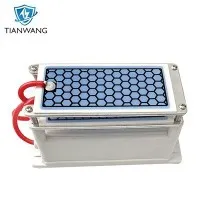
Our 10g ozone generator Cleaner Ozonizer Odor Eliminator is a popular choice for small to medium - sized rooms. It can quickly neutralize unpleasant odors, such as those from cooking, pets, or smoke. The 20g Portable Ozone Generator Air Sterilizer is more powerful and suitable for larger spaces or areas with more severe air quality issues. And the 5g Ozone generator is a great option for smaller, enclosed spaces like closets or bathrooms.
To minimize the impact on furniture and fabrics, it's important to use ozone air purifiers in a controlled manner. This includes following the manufacturer's instructions regarding the appropriate ozone output level and the duration of operation. It's also advisable to remove or cover sensitive furniture and fabrics during ozone treatment. For example, you can use plastic sheets to cover valuable wooden furniture or move delicate silk curtains to a different room.
Mitigating the Negative Effects
Proper Ventilation
After using an ozone air purifier, proper ventilation is essential. Open windows and doors to allow fresh air to circulate and remove any remaining ozone from the room. This helps to reduce the exposure time of furniture and fabrics to ozone, minimizing the potential for damage.
Monitoring Ozone Levels
Using an ozone monitor can help you keep track of the ozone concentration in the air. This allows you to adjust the operation of the ozone air purifier accordingly. If the ozone levels are too high, you can reduce the output or turn off the device to prevent excessive exposure to furniture and fabrics.
Conclusion
Ozone has both positive and negative impacts on furniture and fabrics. While it can be a powerful tool for air purification, it's important to be aware of its potential to cause damage. As a supplier of ozone air purifiers, I am committed to providing products that offer effective air purification while minimizing the risks to your valuable furniture and fabrics.
If you are interested in learning more about our ozone air purifiers or have any questions regarding their use and impact on your indoor environment, please feel free to reach out. We are here to assist you in making an informed decision and ensuring that you get the best results from our products. Contact us to start a procurement discussion and find the ozone air purifier that best suits your needs.
References
- "Air Quality and Indoor Environments" by American Society of Heating, Refrigerating and Air - Conditioning Engineers (ASHRAE).
- "The Chemistry of Ozone and Its Reactions with Organic Compounds" in Journal of Chemical Education.
- "Effects of Ozone on Materials" by National Institute of Standards and Technology (NIST).