What is the ozone concentration produced by a car ozone generator?
As a reputable supplier of car ozone generators, I often get asked about the ozone concentration these devices produce. Understanding ozone concentration is crucial for both our customers and the safe and effective use of our products.
Ozone (O₃) is a highly reactive gas that has powerful disinfecting and deodorizing properties. It works by oxidizing organic and inorganic substances, which can break down odor - causing molecules and kill bacteria, viruses, and fungi. In the context of car ozone generators, the ozone concentration they produce is a key factor in determining their performance.

Factors Affecting Ozone Concentration
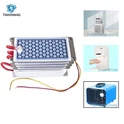
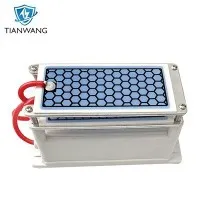
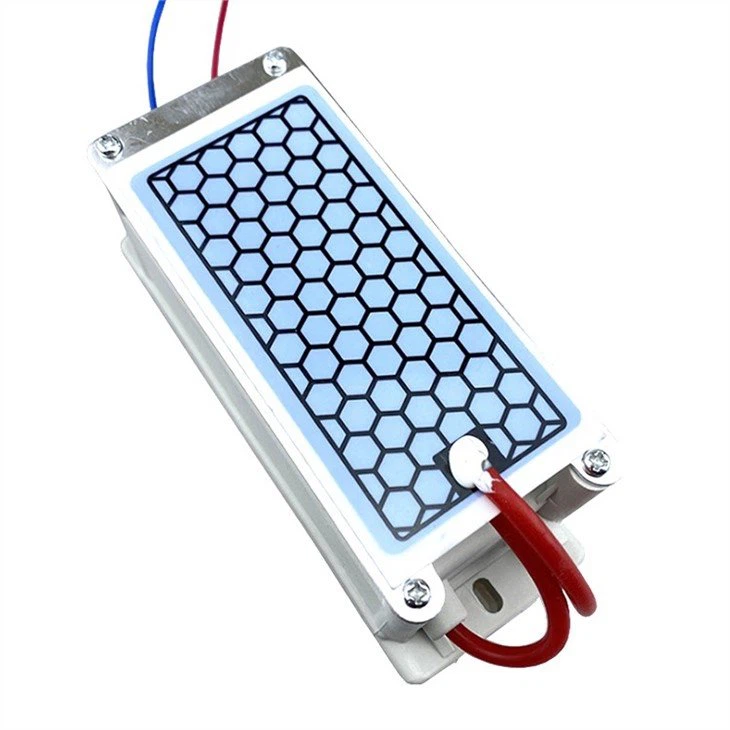
Several factors influence the ozone concentration produced by a car ozone generator. First and foremost is the generator's output capacity. Our product range includes 10g ozone generator Cleaner Ozonizer Odor Eliminator, 5g Ozone generator, and 20g Portable Ozone Generator Air Sterilizer. The numbers (5g, 10g, 20g) refer to the amount of ozone the generator can produce per hour. A higher - output generator will generally produce a higher ozone concentration in the same enclosed space over a given period.
The size of the car interior also plays a significant role. A smaller car will reach a higher ozone concentration more quickly than a larger SUV or van when using the same ozone generator. This is because the same amount of ozone is being distributed in a smaller volume of air. For example, if you use a 5g ozone generator in a compact car, the ozone will have less space to spread out, resulting in a relatively higher concentration compared to using the same generator in a large vehicle.
The ventilation in the car is another important factor. If the car has good ventilation, such as open windows or a well - functioning air - circulation system, the ozone will be diluted more quickly. On the other hand, if the car is completely sealed, the ozone concentration will build up faster and reach a higher level.
Safe Ozone Concentrations
It's important to note that while ozone is effective for disinfection and odor removal, it can also be harmful to human health if the concentration is too high. The World Health Organization (WHO) recommends that the maximum allowable ozone concentration for continuous exposure is 0.1 ppm (parts per million). Short - term exposure to higher concentrations can cause irritation to the eyes, nose, and throat, as well as respiratory problems.
When using our car ozone generators, we always recommend following the safety guidelines. Our generators are designed to produce ozone at a controlled rate to ensure that the concentration remains within the safe range when used as directed. For example, our 5g ozone generator is suitable for smaller cars and can be used for a shorter period to avoid over - concentration. The 10g and 20g generators are better for larger vehicles or when dealing with more stubborn odors, but they should be used with caution and for an appropriate duration.
Measuring Ozone Concentration
Measuring the ozone concentration in a car can be done using specialized ozone monitors. These devices can provide accurate readings of the ozone level in the air. However, for most consumers, it's not necessary to have a dedicated monitor. Instead, they can rely on our usage instructions, which are based on extensive testing to ensure safe and effective operation.
We have conducted numerous tests in different car models to determine the optimal operating time for each of our generators. For instance, in a standard - sized sedan, running a 5g ozone generator for 30 - 45 minutes can effectively eliminate common odors while keeping the ozone concentration within the safe limit. In a larger SUV, a 10g generator may need to run for 45 - 60 minutes.
Benefits of Controlling Ozone Concentration
Controlling the ozone concentration is essential for several reasons. Firstly, it ensures the safety of the users. By keeping the ozone concentration within the safe range, we prevent any potential health risks associated with ozone exposure. Secondly, it maximizes the effectiveness of the ozone treatment. If the concentration is too low, the ozone may not be able to break down all the odor - causing molecules or kill all the microbes. On the other hand, if the concentration is too high, it may not only be harmful but also wasteful, as the excess ozone will not contribute to better disinfection or odor removal.
Our Product Range and Ozone Concentration
Our 5g Ozone generator is a great choice for small - to - medium - sized cars with mild odors. It produces a relatively lower ozone concentration, which is suitable for quick and gentle odor removal. The 10g ozone generator Cleaner Ozonizer Odor Eliminator is more powerful and can handle larger cars or more persistent odors. It can produce a higher ozone concentration, but still within the safe limits when used correctly. The 20g Portable Ozone Generator Air Sterilizer is our top - of - the - line product, designed for large vehicles or when deep disinfection is required.
Conclusion
In conclusion, the ozone concentration produced by a car ozone generator depends on the generator's output capacity, the size of the car, and the ventilation. Our range of car ozone generators is designed to provide effective disinfection and odor removal while keeping the ozone concentration within the safe limits. Whether you have a small car with a mild odor or a large vehicle in need of a deep clean, we have the right product for you.
If you are interested in purchasing our car ozone generators or have any questions about ozone concentration and product usage, please feel free to contact us for more information and to discuss your specific needs. We are always happy to assist you in finding the best solution for your car's odor and disinfection problems.
References
- World Health Organization. Air quality guidelines: Global update 2005: Particulate matter, ozone, nitrogen dioxide and sulfur dioxide. Geneva: World Health Organization; 2006.