Ozone generators have gained significant popularity in recent years due to their wide range of applications, from air purification to water treatment. As a leading supplier of ozone generators, I am often asked about the principle behind their operation. In this blog post, I will delve into the science behind ozone generators, explaining how they work and why they are so effective.
Understanding Ozone
Before we dive into the operation of ozone generators, it's essential to understand what ozone is. Ozone (O₃) is a highly reactive gas composed of three oxygen atoms. It is a naturally occurring compound that is formed in the Earth's atmosphere through the action of ultraviolet (UV) radiation on oxygen molecules (O₂). Ozone plays a crucial role in protecting the Earth from harmful UV radiation by absorbing it in the stratosphere.
On the ground level, ozone can be both beneficial and harmful. In small concentrations, ozone has powerful oxidizing properties that make it useful for various applications, such as disinfecting water, purifying air, and removing odors. However, high levels of ozone can be harmful to human health, causing respiratory problems, irritation of the eyes and throat, and damage to the lungs.


How Ozone Generators Work
Ozone generators work by producing ozone through a process called electrolysis or corona discharge. Let's take a closer look at each of these methods:
Corona Discharge
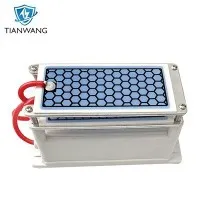
Corona discharge is the most common method used in ozone generators. It involves passing a high-voltage electrical current through a dielectric material, such as glass or ceramic, to create a corona or plasma discharge. This discharge breaks apart oxygen molecules (O₂) in the air into individual oxygen atoms (O). These oxygen atoms then react with other oxygen molecules to form ozone (O₃).
The basic components of a corona discharge ozone generator include a power supply, a dielectric barrier, and electrodes. The power supply provides the high-voltage electrical current, while the dielectric barrier separates the electrodes and prevents arcing. The electrodes are typically made of metal and are designed to create a uniform corona discharge.
When air is passed through the corona discharge region, the oxygen molecules are broken apart, and ozone is formed. The amount of ozone produced depends on several factors, including the voltage, frequency, and duration of the electrical current, as well as the flow rate and humidity of the air.
Ultraviolet (UV) Radiation
Another method of producing ozone is through the use of ultraviolet (UV) radiation. UV ozone generators use a special UV lamp that emits light at a wavelength of 185 nanometers. When this UV light interacts with oxygen molecules in the air, it breaks them apart into individual oxygen atoms, which then react with other oxygen molecules to form ozone.
UV ozone generators are typically smaller and less expensive than corona discharge ozone generators. However, they are also less efficient and produce lower concentrations of ozone. UV ozone generators are commonly used in small-scale applications, such as air purifiers for homes and offices.
Applications of Ozone Generators
Ozone generators have a wide range of applications in various industries, including:
Air Purification
Ozone is a powerful oxidizing agent that can effectively remove odors, bacteria, viruses, and other pollutants from the air. Ozone generators are commonly used in homes, offices, hotels, and other indoor spaces to improve air quality and create a more comfortable and healthy environment. For example, the 10g ozone generator Cleaner Ozonizer Odor Eliminator is a popular choice for small to medium-sized rooms, while the 20g Portable Ozone Generator Air Sterilizer is suitable for larger spaces.
Water Treatment
Ozone is also used in water treatment to disinfect and purify water. It can effectively kill bacteria, viruses, and other microorganisms, as well as remove organic and inorganic contaminants. Ozone generators are commonly used in swimming pools, spas, water treatment plants, and other water systems to ensure the safety and quality of the water.
Food Processing
Ozone is used in the food processing industry to disinfect and preserve food. It can effectively kill bacteria, mold, and yeast, as well as reduce the levels of pesticides and other contaminants. Ozone generators are commonly used in food storage facilities, processing plants, and restaurants to extend the shelf life of food and improve its safety and quality.
Industrial Applications
Ozone generators are also used in various industrial applications, such as textile bleaching, wastewater treatment, and chemical synthesis. In textile bleaching, ozone is used to whiten fabrics without the use of harsh chemicals. In wastewater treatment, ozone is used to remove pollutants and contaminants from the water. In chemical synthesis, ozone is used as an oxidizing agent to produce various chemicals and compounds.
Safety Considerations
While ozone generators can be effective for various applications, it's important to use them safely. High levels of ozone can be harmful to human health, causing respiratory problems, irritation of the eyes and throat, and damage to the lungs. Therefore, it's essential to follow the manufacturer's instructions carefully and use ozone generators in well-ventilated areas.
It's also important to note that ozone generators should not be used in occupied spaces. When using an ozone generator, it's recommended to evacuate the area and allow the ozone to dissipate before re-entering. Additionally, ozone generators should not be used in conjunction with other air purification devices, such as air filters or ionizers, as this can increase the risk of ozone exposure.
Conclusion
In conclusion, ozone generators are powerful devices that can effectively produce ozone for various applications, such as air purification, water treatment, and food processing. The principle behind their operation is based on the process of electrolysis or corona discharge, which breaks apart oxygen molecules in the air to form ozone.
As a supplier of ozone generators, we offer a wide range of products to meet the needs of our customers. Whether you're looking for a small, portable ozone generator for your home or a large, industrial-grade ozone generator for your business, we have the right solution for you. Our 5g Ozone generator is a great option for small spaces, while our larger models are suitable for larger areas.
If you're interested in learning more about our ozone generators or would like to discuss your specific requirements, please don't hesitate to contact us. We're here to help you find the best ozone generator solution for your needs and ensure that you get the most out of your investment.
References
- Ozone: Science and Engineering. International Ozone Association.
- Handbook of Ozone Technology and Applications. Springer.
- Ozone Generators for Air and Water Treatment. US Environmental Protection Agency.