Hey there! As a supplier of ozone purifiers, I often get asked about the recommended ozone output for these devices. It's a crucial question, as the right ozone output can make all the difference in the effectiveness of an ozone purifier. So, let's dive right in and break it down.
First off, it's important to understand what ozone is and how it works in a purifier. Ozone (O₃) is a powerful oxidizing agent. When an ozone purifier releases ozone into the air, the ozone molecules react with pollutants like odors, bacteria, viruses, and other contaminants. It breaks them down into simpler, less harmful substances, essentially cleaning the air.
But here's the catch: ozone can be harmful to humans and animals in high concentrations. That's why finding the right ozone output is so important. You want enough ozone to clean the air effectively, but not so much that it poses a risk to health.


Factors Affecting the Recommended Ozone Output
Size of the Space
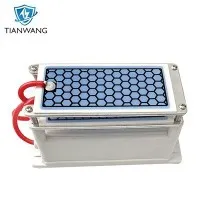
The size of the area you want to purify is a major factor. Bigger spaces need more ozone output to achieve the desired level of purification. For a small room, say a 100 - square - foot bathroom or closet, an ozone output of around 1 - 5 grams per hour might be sufficient. This is where a 5g Ozone generator can come in handy. It generates enough ozone to neutralize odors and kill bacteria in a small enclosed space without over - saturating the air.
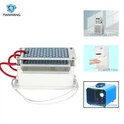
On the other hand, for a large living room or an office space of 1000 square feet or more, you'll need a purifier with a higher ozone output. An ozone generator with an output of 10 - 20 grams per hour would be more appropriate here. Our 20g Portable Ozone Generator Air Sterilizer is a great option for larger areas. It can quickly and effectively clean the air in big rooms, helping to get rid of stubborn odors and airborne contaminants.
Type of Contaminants
The type of pollutants you're dealing with also matters. If you're trying to remove light odors, like the smell of cooking or smoke, a lower ozone output might do the trick. But if you're facing a more serious problem, such as mold or a strong chemical odor, you'll need a higher ozone output. For example, mold spores are tough to eliminate, and a 10g ozone generator Cleaner Ozonizer Odor Eliminator can be more effective in breaking them down and preventing further growth.
Duration of Use
How long you plan to run the ozone purifier is another consideration. If you're using it for short bursts, you might be able to get away with a slightly higher ozone output. But if it's going to run continuously, a lower output is recommended to keep the ozone concentration in the air at a safe level.
Safe Ozone Levels
The Environmental Protection Agency (EPA) has set guidelines for safe ozone levels in indoor air. The safe limit for ozone exposure over an 8 - hour period is 0.07 parts per million (ppm). When choosing an ozone purifier, you need to make sure that the ozone output, along with the size of the space and the duration of use, won't result in ozone levels that exceed this safety limit.
Many of our ozone purifiers are designed with adjustable ozone output settings. This allows you to customize the ozone production based on your specific needs. You can start with a lower setting and gradually increase it if you find that the purification isn't effective enough.
Recommended Ozone Output Ranges
Here are some general recommendations based on different scenarios:
- For Home Use in Small Areas (under 500 square feet):
- 1 - 5 grams per hour. This is suitable for areas like bathrooms, closets, or small bedrooms. It can help with eliminating mild odors and keeping the air fresh.
- For Medium - Sized Home Areas (500 - 1000 square feet):
- 5 - 10 grams per hour. This can be used in living rooms, kitchens, or small offices. It can handle more significant odor problems and some airborne contaminants.
- For Large Home Areas or Commercial Spaces (over 1000 square feet):
- 10 - 20 grams per hour. These high - output ozone generators are ideal for big open spaces, warehouses, or large offices. They can quickly clean the air in large volumes.
Choosing the Right Ozone Purifier for Your Needs
When you're in the market for an ozone purifier, it's not just about the ozone output. You also need to consider other factors like the quality of the device, its durability, and any additional features it might have. Our ozone purifiers are built with high - quality materials and state - of - the - art technology. They're designed to be reliable and long - lasting, giving you peace of mind that you're getting a great product.
If you're still not sure which ozone purifier is right for you, don't worry. We're here to help. Just reach out to us, and our team of experts can assist you in making the right choice. Whether you need a small purifier for your home or a large - scale one for a commercial property, we have the perfect solution for you.
Wrapping Up
In conclusion, finding the recommended ozone output for an ozone purifier depends on several factors, including the size of the space, the type of contaminants, and the duration of use. By understanding these factors and choosing the right ozone output, you can ensure that your ozone purifier works effectively and safely.
If you're interested in purchasing an ozone purifier or have any questions about our products, please don't hesitate to contact us. We're always happy to assist with your procurement needs and have a detailed discussion about how our ozone purifiers can meet your specific requirements.
References
- United States Environmental Protection Agency. (n.d.). Ozone Pollution.
- Scientific Journals on Air Quality and Ozone Disinfection.