What is the Response Time of Ozone Equipment in Disinfection?
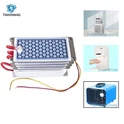
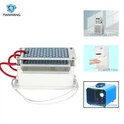
As a supplier of ozone equipment, I've received numerous inquiries regarding the response time of ozone equipment in disinfection. Understanding this aspect is crucial for both our clients and the effective use of our products, such as the 5g Ozone generator, 10g ozone generator Cleaner Ozonizer Odor Eliminator, and 20g Portable Ozone Generator Air Sterilizer.
The Basics of Ozone Disinfection
Ozone (O₃) is a powerful oxidizing agent. When it comes into contact with microorganisms like bacteria, viruses, and fungi, it reacts with their cell walls and membranes. This reaction disrupts the cell structure, leading to the inactivation or destruction of the microorganisms. The response time, in this context, refers to the duration required for ozone to achieve a certain level of disinfection, typically measured by the reduction of a specific pathogen population.
Factors Affecting Response Time
- Ozone Concentration
The concentration of ozone in the environment plays a significant role in determining the response time. Higher ozone concentrations generally lead to faster disinfection. For example, in a small, enclosed space, a higher - output ozone generator can quickly raise the ozone concentration to a level that effectively kills pathogens. Our 20g Portable Ozone Generator Air Sterilizer can produce a relatively high concentration of ozone, which can reduce the response time compared to lower - capacity models. - Microorganism Type
Different microorganisms have different levels of resistance to ozone. Bacteria, viruses, and fungi vary in their susceptibility. For instance, some bacteria with thick cell walls may take longer to be inactivated by ozone compared to more fragile microorganisms. Studies have shown that certain spore - forming bacteria can be more resistant to ozone treatment, requiring a longer exposure time. - Environmental Conditions
Temperature, humidity, and air circulation also impact the response time. Higher temperatures generally increase the reaction rate between ozone and microorganisms, reducing the response time. However, extremely high temperatures can cause ozone to decompose more rapidly. Humidity can have a complex effect. Moderate humidity levels can enhance the disinfection effect of ozone, but very high humidity may lead to the formation of water droplets that can shield microorganisms from ozone. Adequate air circulation is essential to ensure that ozone is evenly distributed in the space, allowing it to reach all areas and come into contact with pathogens.
Measuring Response Time
To measure the response time of ozone equipment in disinfection, we typically use microbiological testing methods. We take samples before and after ozone treatment and analyze the number of viable microorganisms. For example, we can use agar plate cultures to count the number of bacteria colonies. By comparing the colony counts before and after treatment, we can determine the reduction rate of microorganisms and calculate the time required to achieve a certain level of disinfection.


In laboratory settings, we can control the environmental conditions precisely and test different ozone concentrations and exposure times. These experiments help us establish guidelines for the effective use of our ozone equipment in various real - world scenarios.
Real - World Applications and Response Time
In different applications, the required response time varies. For example, in a food processing facility, rapid disinfection is often necessary to prevent the growth of bacteria and ensure food safety. Our 10g ozone generator Cleaner Ozonizer Odor Eliminator can be used to quickly disinfect the air and surfaces in the processing area, reducing the risk of contamination.
In a hospital environment, disinfection is crucial to prevent the spread of infectious diseases. Ozone equipment can be used to disinfect patient rooms, operating theaters, and other areas. However, the response time needs to be carefully balanced with the safety of patients and staff. Ozone is a toxic gas at high concentrations, so the equipment needs to be set up to achieve effective disinfection within a reasonable time while keeping the ozone levels within safe limits.
Optimizing Response Time
To optimize the response time of our ozone equipment, we recommend the following:
- Proper Equipment Selection
Choose the ozone generator with the appropriate capacity for the space to be disinfected. For larger areas, a higher - output generator like the 20g Portable Ozone Generator Air Sterilizer may be required. For smaller spaces, a 5g Ozone generator could be sufficient. - Regular Maintenance
Keep the ozone generator in good working condition. Regularly clean the ozone - generating tubes and filters to ensure optimal performance. A well - maintained generator can produce ozone more efficiently, reducing the response time. - Proper Operation
Follow the manufacturer's instructions for operating the ozone equipment. Set the appropriate ozone output and exposure time based on the specific disinfection requirements. Ensure that the space is properly sealed during the disinfection process to prevent ozone leakage and ensure even distribution.
Conclusion
The response time of ozone equipment in disinfection is influenced by multiple factors, including ozone concentration, microorganism type, and environmental conditions. By understanding these factors and taking appropriate measures to optimize the disinfection process, we can achieve effective and timely disinfection.
If you are interested in our ozone equipment and want to discuss your specific disinfection needs, we are here to help. Contact us to start a procurement discussion and find the best ozone solution for your application.
References
- "Ozone in Water Treatment: Application and Engineering" by Wolfgang Staehelin and Hans - Rudolf Hoigne.
- "Microbiology: An Introduction" by Gerard J. Tortora, Berdell R. Funke, and Christine L. Case.