Cold fog spray machines have become indispensable tools for applications ranging from agricultural pest control and industrial cooling to commercial humidification and aromatherapy. At the core of these devices lies a critical component: the electronic igniter. This article dives into how high-voltage pulse igniters and advanced ignition systems ensure precise fuel combustion, enabling cold fog spray machines to deliver consistent, high-performance mist output.
The Role of Igniters in Cold Fog Spray Machines
A cold fog spray machine operates by atomizing liquid solutions into ultra-fine droplets using high pressure. For combustion-driven models, this process relies on igniting a fuel-air mixture (often propane or kerosene) to generate heat or propulsion. Here's where the electronic igniter shines-it converts low-voltage electricity into high-voltage sparks, ensuring reliable ignition of the atomized fuel.
How Igniters Work: From Low Voltage to High-Energy Sparks
The ignition process in a cold fog spray machine involves three key steps:
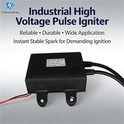
Voltage Conversion: The electronic igniter uses an inverter circuit to transform low-voltage DC power (e.g., 12V) into high-frequency, high-voltage pulses (up to 15,000V).
Spark Generation: This high-voltage energy is directed to discharge electrodes, creating a powerful electric arc (spark) across the gap.
Fuel Ignition: The spark ignites the atomized fuel, triggering controlled combustion that produces a dense, evenly distributed mist.
Unlike outdated manual ignition systems, modern high-voltage pulse igniters automate this process, eliminating human error and ensuring sparks are timed perfectly with fuel release.
Why High-Voltage Pulse Igniters so important?
Pulse-style ignition systems, commonly used in cold fog spray machines and pulse foggers, offer unmatched advantages:
Precision Sparking: Delivers sparks at millisecond intervals, syncing with the machine's fuel injection cycle for optimal combustion.
Durability: No moving parts (unlike mechanical igniters), reducing wear and tear.
Weather Resistance: Performs reliably in humid, dusty, or low-temperature environments.
Energy Efficiency: Minimizes fuel waste by igniting mixtures on the first attempt.
For pulse foggers-a subtype of fogging machines that operate in cyclical bursts-the high-voltage pulse igniter ensures consistent performance across each combustion cycle.
Applications: Where Cold Fog Spray Machines Excel
Agriculture: Dispersing pesticides or fertilizers as fine mist for maximum crop coverage.
Industrial Cooling: Rapid temperature reduction in warehouses or outdoor venues.
Sanitization & Pest Control: Pulse foggers with electronic igniters are widely used for disinfecting large spaces or fumigating mosquitoes.
Aromatherapy & Humidification: Generating mist for indoor climate control or fragrance diffusion.
Innovations in Ignition Technology
Recent advancements in electronic igniters include:
Smart Diagnostics: Sensors detect electrode degradation or spark failures, alerting users via LED indicators.
Adaptive Voltage Control: Adjusts output based on fuel type or environmental conditions.
IoT Integration: Remote monitoring of ignition performance via mobile apps.
These features not only enhance safety but also extend the lifespan of cold fog spray machines.
Choosing the Right Igniter for Your Machine
When selecting an ignition system, prioritize:
Compatibility: Ensure the high-voltage pulse igniter matches your machine's voltage and fuel requirements.
IP Rating: Opt for waterproof (IP67) or dustproof designs for outdoor use.
Certifications: Look for CE, UL, or RoHS compliance to guarantee quality and safety.
Conclusion
The electronic igniter and high-voltage pulse igniter are the unsung heroes behind the efficiency and reliability of modern cold fog spray machines. By converting low-voltage energy into precise, powerful sparks, these components enable seamless fuel combustion, ensuring your machine delivers peak performance in any application-from pest control to climate management.