Are ozonizer machines resistant to dust? This is a question that many customers often ask when considering purchasing an ozonizer machine. As a supplier of ozonizer machines, I'd like to delve into this topic in detail to provide you with comprehensive insights.
Understanding Ozonizer Machines
Ozonizer machines are devices that generate ozone (O₃), a powerful oxidizing agent. Ozone has various applications, including air purification, water treatment, and odor removal. In households, they can be used to eliminate unpleasant smells, reduce airborne allergens, and even disinfect surfaces. In commercial settings, such as hotels, restaurants, and hospitals, ozonizer machines play a crucial role in maintaining a clean and healthy environment.
The Impact of Dust on Ozonizer Machines
Dust is a common pollutant in the air, and it can have both short - term and long - term impacts on ozonizer machines.
Short - term Effects
In the short term, dust can accumulate on the internal components of the ozonizer machine, such as the ozone generation tubes and fans. When dust settles on the ozone generation tubes, it can reduce the efficiency of ozone production. The dust acts as an insulator, preventing the proper flow of electrical current and the efficient conversion of oxygen into ozone. For example, if a significant amount of dust covers the surface of the ozone tube, the electrical discharge required to generate ozone may be disrupted, leading to a decrease in ozone output.
The fans in the ozonizer machine are responsible for circulating air and distributing ozone. Dust can clog the fan blades, reducing their ability to move air effectively. This not only affects the distribution of ozone but also can cause the machine to overheat. Overheating can further damage the internal components and shorten the lifespan of the ozonizer machine.
Long - term Effects
Over time, continuous exposure to dust can cause more severe damage to ozonizer machines. The accumulation of dust can lead to corrosion of metal parts. For instance, the electrodes in the ozone generation system may corrode due to the presence of dust particles and moisture in the air. Corrosion can weaken the electrodes, making them less effective in generating ozone and eventually leading to complete failure of the ozone generation process.
Moreover, dust can also cause mechanical wear and tear on moving parts. The bearings in the fans may wear out faster due to the abrasive nature of dust particles, resulting in noisy operation and a decrease in the overall performance of the machine.
Resistance of Ozonizer Machines to Dust
The resistance of ozonizer machines to dust depends on several factors, including the design, construction materials, and the presence of dust - protection features.
Design and Construction
Well - designed ozonizer machines often have a sealed or semi - sealed structure to prevent dust from entering the internal components. For example, some ozonizer machines are equipped with a housing that has tight - fitting panels and gaskets to minimize the entry of dust. The internal layout of the machine is also designed to ensure that air flows smoothly, reducing the chances of dust settling on critical components.
The choice of construction materials also plays a significant role in dust resistance. Machines made of high - quality, smooth - surfaced materials are less likely to attract and hold dust compared to those made of porous or rough materials. For instance, stainless steel or plastic with a smooth finish can be used for the housing and internal components, as they are easier to clean and less prone to dust accumulation.
Dust - Protection Features
Many modern ozonizer machines are equipped with dust - protection features. Some models have air filters installed at the air intake. These filters can trap dust particles before they enter the machine, protecting the internal components. The filters can be easily removed and cleaned or replaced, ensuring continuous protection against dust.
In addition, some ozonizer machines have self - cleaning mechanisms. For example, certain models use a reverse airflow system to blow out dust that has accumulated inside the machine. This helps to maintain the efficiency of the machine and prolong its lifespan.
Our Ozonizer Machine Products
As a supplier, we offer a range of ozonizer machines with different specifications to meet the diverse needs of our customers.
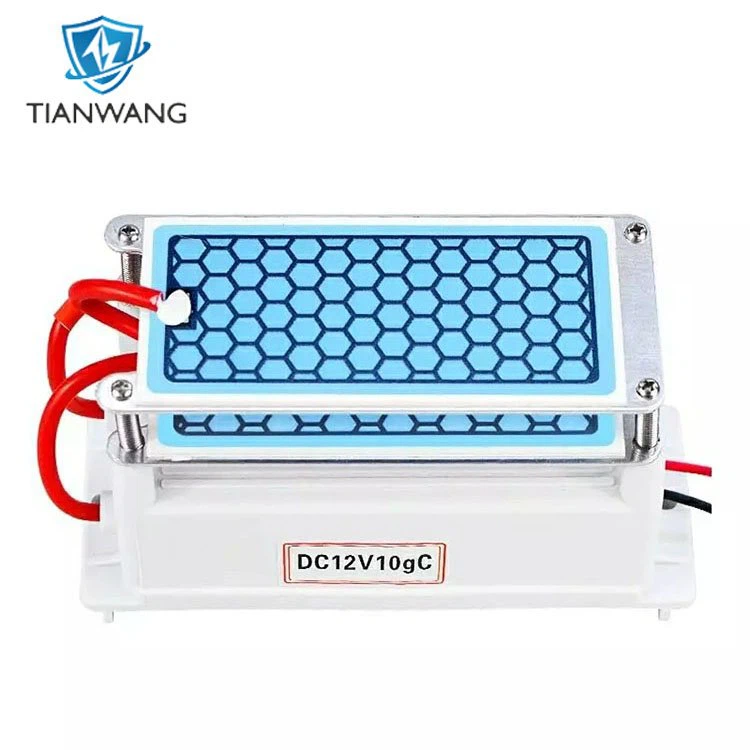
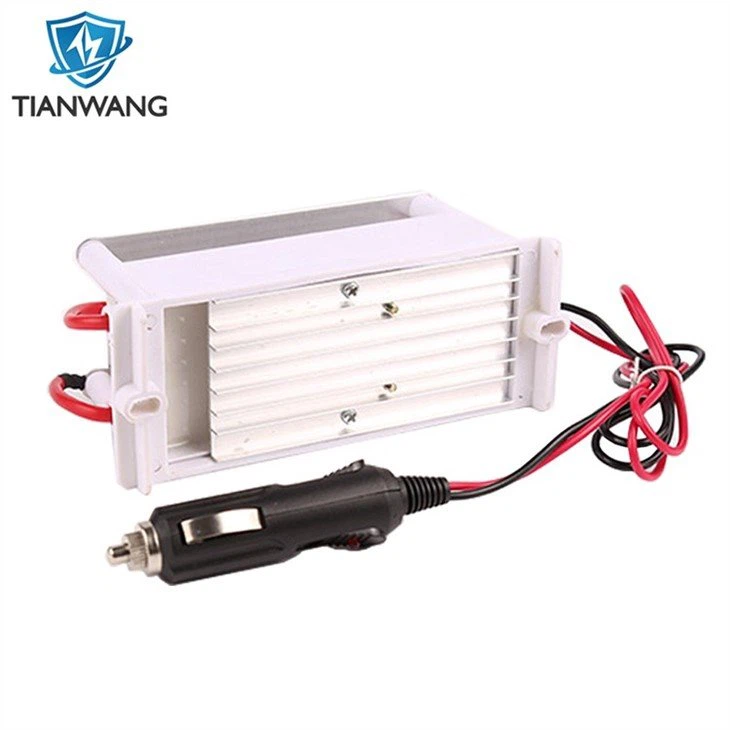
Our 12v 5g Odor Mini Car Ozone Generator is designed for use in cars. It is compact and lightweight, making it easy to install and use. Despite its small size, it is highly efficient in generating ozone to remove odors and purify the air inside the car. The machine is designed with a dust - resistant housing and a built - in air filter to prevent dust from entering the internal components, ensuring reliable performance even in dusty environments.
The 20g Ozone Air Purifier Generator Ozone Machine is suitable for larger spaces, such as offices, living rooms, and small commercial areas. It has a high ozone output capacity, which can effectively purify the air and eliminate various pollutants. This machine is constructed with high - quality materials and is equipped with advanced dust - protection features, including a multi - stage air filtration system and a self - cleaning function.
Our 10g Car Ozone Generator is another popular product for car owners. It provides a moderate amount of ozone to keep the car interior fresh and odor - free. Similar to the other models, it is designed to be resistant to dust, with a sealed housing and an efficient air intake system to prevent dust from affecting its performance.
Conclusion
In conclusion, while ozonizer machines are not completely immune to dust, modern designs and advanced features can significantly enhance their dust resistance. By choosing a high - quality ozonizer machine with proper dust - protection measures, you can ensure its long - term performance and reliability.
If you are interested in our ozonizer machine products or have any questions about their dust resistance and other features, we welcome you to contact us for procurement and further discussions. We are committed to providing you with the best products and services to meet your needs.
References
- "Ozone Generators in Indoor Air Quality Control", Indoor Air Quality Association
- "The Impact of Dust on Electronic Devices", Journal of Electronic Engineering