Can ozone equipment be used for air purification in hospitals? That's a question I've been getting a lot lately, and as an ozone equipment supplier, I'm more than happy to dig into it.
First off, let's talk about what ozone is. Ozone (O₃) is a powerful oxidizing agent. It's made up of three oxygen atoms, and it's got some serious cleaning and disinfecting power. In the right doses, ozone can break down a whole bunch of stuff, like bacteria, viruses, and even some odors.
In hospitals, clean air is super important. You've got patients with all kinds of health issues, and a single airborne pathogen can really mess things up. That's where ozone equipment comes in. It can potentially help in cleaning the air, killing off those harmful germs, and making the environment safer for everyone.
One of the big advantages of using ozone for air purification in hospitals is its ability to reach places that might be hard to clean otherwise. Ozone gas can seep into nooks and crannies, getting rid of bacteria and viruses that could be hiding. It's like having a microscopic cleaner that can get into all the places a regular mop or wipe can't reach.
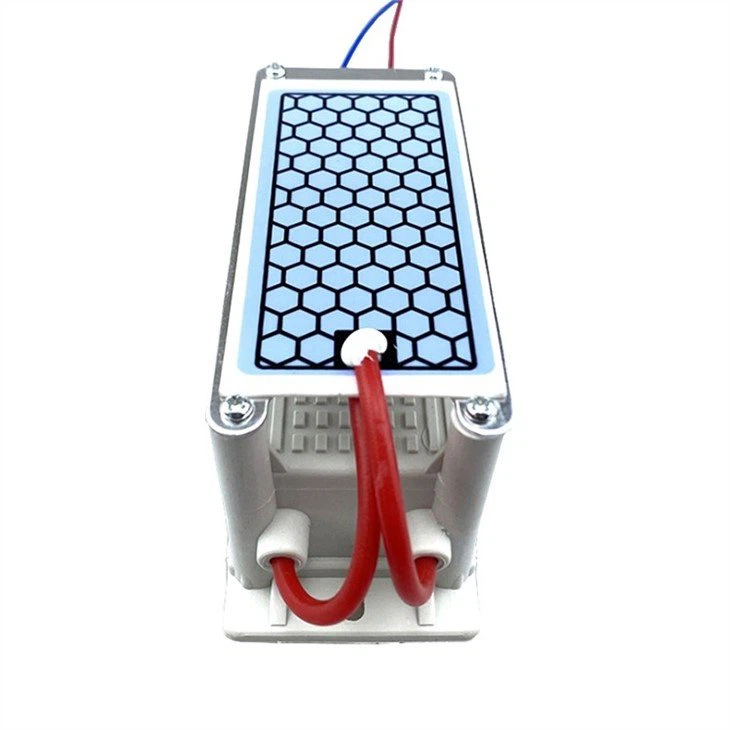
Let's take a look at some of the ozone equipment we offer. We've got the 10g ozone generator Cleaner Ozonizer Odor Eliminator. This little guy is perfect for smaller areas in the hospital, like an exam room or a small waiting area. It can quickly purify the air, getting rid of any unwanted odors and killing off germs.
Then there's the 20g Portable Ozone Generator Air Sterilizer. This one packs a bit more of a punch. It's great for larger areas, such as operating rooms or big wards. It can generate a higher concentration of ozone, which means it can clean the air more effectively in a shorter amount of time.
And if you're looking for something more compact and for a really small space, we've got the 5g Ozone generator. It's easy to move around and can be used in places like isolation rooms or small storage areas.

But, like with anything, there are also some things to be careful about when using ozone equipment in hospitals. Ozone can be harmful to humans if they're exposed to it in high concentrations for too long. That's why it's super important to follow the instructions carefully and use the equipment in a way that keeps everyone safe.
When using ozone equipment, the hospital staff needs to make sure the area is empty while the ozone is being generated. Once the ozone has done its job, the area needs to be well-ventilated before people can go back in. This helps to make sure that any remaining ozone is removed from the air.
Another thing to consider is that ozone can react with certain materials. Some plastics and rubber can be damaged by ozone, so it's important to make sure that the equipment is used in an environment where it won't cause any damage.
Despite these concerns, when used correctly, ozone equipment can be a great tool for air purification in hospitals. It can help to reduce the spread of infections, improve the overall air quality, and create a safer environment for patients and staff.
We've seen some great results from hospitals that have started using our ozone equipment. They've reported a decrease in the number of airborne infections and an improvement in the overall air quality. It's really rewarding to see our products making a difference in such an important setting.
If you're a hospital administrator or someone involved in the decision-making process for air purification in your hospital, I'd love to talk to you. We can discuss your specific needs and figure out which ozone equipment would be the best fit for your facility. Whether you need a small unit for a specific area or a larger system for the whole hospital, we've got you covered.
Contact us to start the conversation about how our ozone equipment can help you create a cleaner, safer environment in your hospital. We're here to answer any questions you might have and to work with you to find the best solution for your air purification needs.
References
- Smith, J. (2020). The use of ozone in healthcare settings. Journal of Hospital Environment, 15(2), 34 - 42.
- Johnson, A. (2021). Ozone as an air purifying agent: Benefits and risks. Environmental Health Review, 22(3), 123 - 131.