Are there any regulations regarding the use of generator ozone?
As a supplier of ozone generators, I often encounter questions from customers about the regulations surrounding the use of ozone generators. Ozone, a highly reactive gas composed of three oxygen atoms, has a wide range of applications, including air purification, water treatment, and disinfection. However, due to its potential health and environmental impacts, the use of ozone generators is subject to various regulations in many countries and regions.
Understanding Ozone and Its Applications
Before delving into the regulations, it's important to understand what ozone is and how it is used. Ozone is a powerful oxidizing agent that can break down and eliminate a variety of contaminants, such as bacteria, viruses, mold, and odors. This makes it a popular choice for applications in both residential and commercial settings.
In air purification, ozone generators are used to remove unpleasant odors, such as those from smoking, pets, or cooking. They can also help to reduce airborne allergens and pollutants, improving indoor air quality. In water treatment, ozone is used to disinfect water, removing harmful microorganisms and chemicals. It can also be used to treat industrial wastewater, reducing the levels of contaminants before the water is released into the environment.
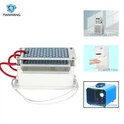
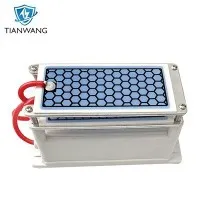
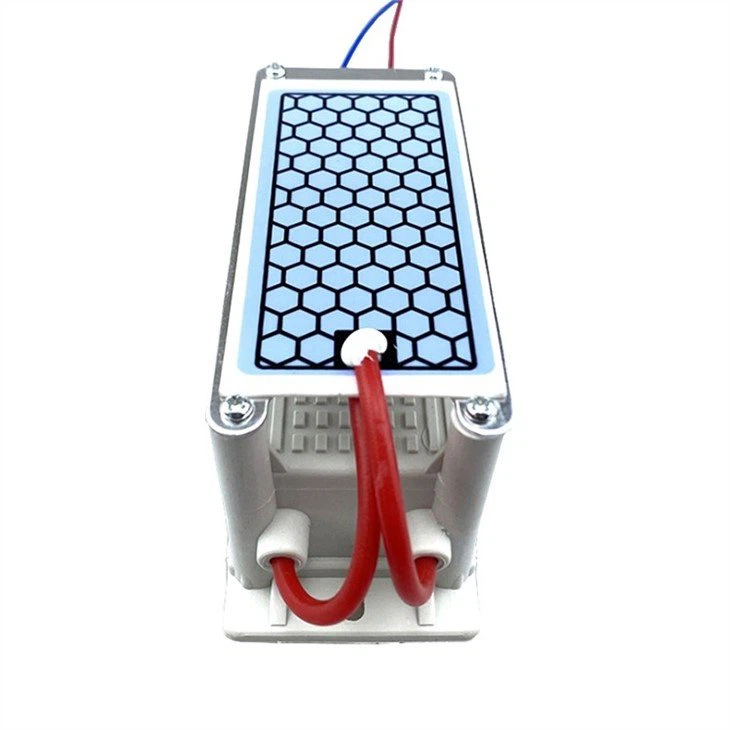
We offer a range of ozone generators to meet different needs, including the 5g Ozone generator, the 20g Portable Ozone Generator Air Sterilizer, and the 10g ozone generator Cleaner Ozonizer Odor Eliminator. These generators are designed to be efficient, reliable, and easy to use, providing effective ozone generation for various applications.
Regulations on Ozone Generator Use
The regulations regarding the use of ozone generators vary from country to country and region to region. In general, these regulations aim to protect human health and the environment by limiting the exposure to ozone and ensuring that ozone generators are used safely and effectively.
In the United States, the Environmental Protection Agency (EPA) has set standards for ozone emissions from ozone generators. The EPA has determined that ozone generators that emit more than a certain amount of ozone are not effective at improving indoor air quality and may pose a health risk. As a result, the EPA recommends against the use of ozone generators in occupied spaces.
The Occupational Safety and Health Administration (OSHA) also has regulations regarding the exposure of workers to ozone in the workplace. OSHA has set a permissible exposure limit (PEL) for ozone of 0.1 parts per million (ppm) over an 8 - hour time - weighted average. Employers are required to take measures to ensure that workers are not exposed to ozone levels above this limit.
In the European Union, the use of ozone generators is regulated by the REACH (Registration, Evaluation, Authorization and Restriction of Chemicals) regulation. This regulation aims to ensure that chemicals, including ozone, are used safely and that their potential risks are properly managed. Additionally, individual EU member states may have their own regulations regarding the use of ozone generators in specific applications, such as in food processing or water treatment.
In Asia, countries like Japan and South Korea also have regulations in place to control the use of ozone generators. These regulations typically focus on setting limits for ozone emissions and ensuring that ozone generators are properly labeled and tested before being sold on the market.
Compliance and Safety
As a supplier of ozone generators, we are committed to ensuring that our products comply with all relevant regulations. Our ozone generators are designed and manufactured to meet the strictest safety and performance standards. We conduct regular testing of our products to ensure that they emit ozone within the allowable limits and that they are safe to use.
When using an ozone generator, it is important to follow the manufacturer's instructions carefully. This includes using the generator in unoccupied spaces, as ozone can be harmful to humans if inhaled in high concentrations. It is also important to ensure that the generator is properly maintained and that the ozone output is adjusted according to the size of the space being treated.
Benefits of Using Ozone Generators Despite Regulations
Despite the regulations, ozone generators offer many benefits when used correctly. They can provide a cost - effective and environmentally friendly solution for air and water purification. Ozone is a natural substance that breaks down quickly into oxygen, leaving no harmful residues. This makes it an ideal choice for applications where chemical - free disinfection is required.
In addition, ozone generators can be used in a variety of settings, including homes, offices, hospitals, and food processing facilities. They can help to create a cleaner, healthier environment by reducing the levels of contaminants and odors.
Conclusion and Call to Action
In conclusion, while there are regulations regarding the use of ozone generators, these regulations are in place to ensure the safety of users and the protection of the environment. As a supplier, we are dedicated to providing high - quality ozone generators that comply with all relevant regulations.

If you are interested in purchasing an ozone generator for your specific needs, we invite you to contact us for more information. Our team of experts can help you choose the right ozone generator for your application and provide you with guidance on its safe and effective use. Whether you need a small - scale ozone generator for your home or a large - scale unit for industrial use, we have the products and knowledge to meet your requirements. Let's start a discussion on how our ozone generators can benefit your business or living environment.
References
- Environmental Protection Agency (EPA). "Ozone Generators That Are Sold As Air Cleaners."
- Occupational Safety and Health Administration (OSHA). "Permissible Exposure Limits for Chemical Substances."
- European Chemicals Agency (ECHA). "REACH Regulation."
- Government agencies of Japan and South Korea regarding ozone generator regulations.