Can a car ozone generator be used in a car with a mildew smell?


As a supplier of car ozone generators, I often receive inquiries from customers about using our products to tackle various issues in their vehicles. One common question is whether a car ozone generator can be used in a car with a mildew smell. In this blog post, I'll delve into this topic, exploring the science behind ozone generators, their effectiveness against mildew odors, and important considerations when using them in your car.
Understanding Ozone and Its Properties
Ozone (O₃) is a highly reactive gas composed of three oxygen atoms. It is a powerful oxidizing agent, which means it can react with and break down many types of organic and inorganic compounds. This property makes ozone an effective tool for eliminating odors, killing bacteria, viruses, and fungi, and purifying the air.
In nature, ozone is formed when oxygen molecules (O₂) are exposed to ultraviolet light or electrical discharges, such as lightning. It plays a crucial role in the Earth's atmosphere, protecting us from harmful ultraviolet radiation. However, at ground level, high concentrations of ozone can be harmful to human health, causing respiratory problems, irritation of the eyes and throat, and other adverse effects.
How Ozone Generators Work
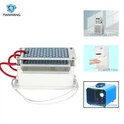
A car ozone generator is a device that produces ozone by using an electrical discharge or ultraviolet light to break apart oxygen molecules and recombine them into ozone. When the ozone is released into the air, it reacts with odor-causing molecules, bacteria, viruses, and fungi, breaking them down into smaller, less odorous compounds.
There are different types of ozone generators available on the market, ranging from small, portable units to larger, more powerful models. The amount of ozone produced by an ozone generator is measured in grams per hour (g/h). The higher the ozone output, the more powerful the generator and the faster it can eliminate odors and purify the air.
Using a Car Ozone Generator to Eliminate Mildew Smells
Mildew is a type of fungus that thrives in warm, damp environments. It can grow on a variety of surfaces in your car, including the seats, carpets, headliner, and air vents, causing a musty, unpleasant smell. If left untreated, mildew can also cause damage to your car's interior and pose a health risk to you and your passengers.
A car ozone generator can be an effective solution for eliminating mildew smells in your car. The ozone produced by the generator reacts with the mildew spores and odor-causing molecules, breaking them down and neutralizing the smell. It can also kill the mildew fungus, preventing it from growing and spreading further.
To use a car ozone generator to eliminate mildew smells, follow these steps:
- Clean the car: Before using the ozone generator, it's important to clean the car thoroughly to remove any visible mildew and dirt. Vacuum the seats, carpets, and floor mats, and wipe down the surfaces with a damp cloth.
- Ventilate the car: Open all the windows and doors of the car to allow fresh air to circulate. This will help to reduce the concentration of ozone in the car and prevent it from becoming too strong.
- Place the ozone generator in the car: Place the ozone generator in the center of the car, away from any flammable materials or objects. Make sure the generator is on a stable surface and that the ozone output is directed towards the areas with the mildew smell.
- Set the ozone generator: Set the ozone generator to the appropriate ozone output level based on the size of your car and the severity of the mildew smell. For a small to medium-sized car, a 5g or 10g ozone generator should be sufficient. For a larger car or a more severe mildew smell, a 20g ozone generator may be needed.
- Run the ozone generator: Turn on the ozone generator and let it run for the recommended amount of time, usually between 30 minutes to 2 hours. During this time, make sure no one is in the car, as high concentrations of ozone can be harmful to human health.
- Ventilate the car again: After the ozone generator has finished running, open all the windows and doors of the car again to allow the ozone to dissipate. Leave the car ventilated for at least 30 minutes before entering it.
Choosing the Right Car Ozone Generator
When choosing a car ozone generator, there are several factors to consider, including the size of your car, the severity of the mildew smell, and the ozone output of the generator. Here are some recommendations to help you choose the right car ozone generator for your needs:
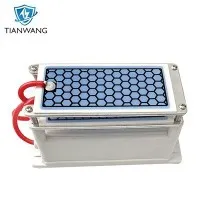
- For a small to medium-sized car with a mild mildew smell: A 5g Ozone generator is a good option. It is compact, portable, and easy to use, and it can effectively eliminate mild mildew smells in a short amount of time.
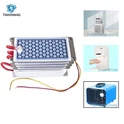
- For a small to medium-sized car with a moderate to severe mildew smell: A 10g ozone generator Cleaner Ozonizer Odor Eliminator is a better choice. It produces more ozone than a 5g generator, which means it can eliminate stronger mildew smells more quickly and effectively.
- For a large car or a car with a very severe mildew smell: A 20g Portable Ozone Generator Air Sterilizer is recommended. It is a powerful generator that can produce a high concentration of ozone, making it ideal for large cars or cars with stubborn mildew smells.
Safety Considerations
While car ozone generators can be effective for eliminating mildew smells, it's important to use them safely to avoid any potential health risks. Here are some safety considerations to keep in mind:
- Do not use the ozone generator in an occupied car: High concentrations of ozone can be harmful to human health, causing respiratory problems, irritation of the eyes and throat, and other adverse effects. Make sure no one is in the car when the ozone generator is running, and leave the car ventilated for at least 30 minutes after the generator has finished running before entering it.
- Follow the manufacturer's instructions: Read and follow the manufacturer's instructions carefully before using the ozone generator. Make sure you understand how to operate the generator safely and how to set the appropriate ozone output level based on the size of your car and the severity of the mildew smell.
- Use the ozone generator in a well-ventilated area: When using the ozone generator in your car, make sure all the windows and doors are open to allow fresh air to circulate. This will help to reduce the concentration of ozone in the car and prevent it from becoming too strong.
- Do not use the ozone generator near flammable materials or objects: Ozone is a highly reactive gas that can react with flammable materials and objects, causing a fire or explosion. Make sure the ozone generator is placed away from any flammable materials or objects, such as gasoline, oil, or paper.
Conclusion
In conclusion, a car ozone generator can be an effective solution for eliminating mildew smells in your car. It works by producing ozone, which reacts with odor-causing molecules, bacteria, viruses, and fungi, breaking them down and neutralizing the smell. However, it's important to use the ozone generator safely and follow the manufacturer's instructions to avoid any potential health risks.
If you're looking for a high-quality car ozone generator to eliminate mildew smells in your car, we offer a range of products to suit your needs. Our 5g Ozone generator, 10g ozone generator Cleaner Ozonizer Odor Eliminator, and 20g Portable Ozone Generator Air Sterilizer are all reliable and effective options.
If you have any questions or would like to discuss your specific needs, please feel free to contact us. We're here to help you find the right car ozone generator for your car and ensure that you have a fresh, clean, and odor-free driving experience.
References
- American Lung Association. (2023). Ozone: What It Is and How It Affects Your Health. Retrieved from https://www.lung.org/clean-air/outdoors/what-makes-air-unhealthy/ozone
- U.S. Environmental Protection Agency. (2023). Ozone (O₃). Retrieved from https://www.epa.gov/ground-level-ozone-pollution/ozone-o3
- Centers for Disease Control and Prevention. (2023). Mold and Mildew. Retrieved from https://www.cdc.gov/mold/faqs.htm