Can an ozone generator CE be used in a coffee shop? This is a question that many coffee shop owners and ozone generator suppliers, like myself, often grapple with. As an ozone generator CE supplier, I've had numerous discussions with coffee shop owners regarding the potential use of our products in their establishments. In this blog, I'll delve into the science behind ozone generators, the pros and cons of using them in a coffee shop, and provide some guidance on making an informed decision.
Understanding Ozone Generators
Ozone generators are devices that produce ozone, a gas composed of three oxygen atoms (O₃). Ozone is a powerful oxidizing agent, which means it can react with and break down various substances, including odors, bacteria, viruses, and mold. There are different types of ozone generators available in the market, each with its own set of features and applications.
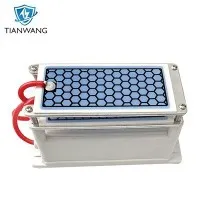
For instance, we offer a Ceramic Ozone Plate for Air Purifier Parts 5g, which is a high - performance component suitable for air purification systems. Another product is the New Material 50mg 100mg DC 12V Mini Air Purifier Ozone Generator Ionizer For Kitchen Appliances, designed to be compact and efficient for small - scale applications. And our 12v 5g Odor Mini Car Ozone Generator is perfect for eliminating odors in cars.
The Science of Ozone
Ozone is formed naturally in the Earth's atmosphere through the action of sunlight on oxygen molecules. It plays a crucial role in protecting the planet from harmful ultraviolet radiation. However, at ground - level, ozone can be both beneficial and harmful. When used correctly, ozone can be an effective tool for air purification. It works by oxidizing the molecules that cause odors and killing microorganisms.
The chemical reactions involved in ozone's action are complex. For example, when ozone reacts with an odor - causing compound, it can break the chemical bonds of the compound, transforming it into a less odorous or non - odorous substance. Similarly, when it comes into contact with bacteria or viruses, ozone can damage their cell membranes, leading to their inactivation.
Pros of Using an Ozone Generator in a Coffee Shop
Odor Elimination
One of the most significant advantages of using an ozone generator in a coffee shop is its ability to eliminate odors. Coffee shops can have a variety of odors, including the smell of coffee beans, food, and the occasional unpleasant odor from the restrooms. Ozone can quickly break down these odor - causing molecules, leaving the air fresh and clean.
Air Sanitization
In a coffee shop, there is a constant flow of people, which increases the risk of spreading bacteria and viruses. Ozone can help sanitize the air by killing these microorganisms. This can contribute to a healthier environment for both customers and staff.


Reducing Mold and Mildew
Coffee shops often have areas with high humidity, such as the kitchen and the storage areas. These conditions are ideal for the growth of mold and mildew. Ozone can inhibit the growth of mold and mildew by oxidizing the organic matter that they feed on.
Cons of Using an Ozone Generator in a Coffee Shop
Health Risks
Ozone can be harmful to human health, especially when inhaled in high concentrations. Exposure to high levels of ozone can cause respiratory problems, such as coughing, shortness of breath, and chest pain. It can also irritate the eyes, nose, and throat. Therefore, it is crucial to use ozone generators in a coffee shop with extreme caution.
Impact on Coffee and Food
Ozone can react with the chemicals in coffee and food, potentially altering their taste and aroma. Coffee is a complex beverage with a delicate flavor profile, and exposure to ozone could change its taste in an undesirable way. Similarly, food items in the coffee shop may also be affected.
Equipment Damage
Ozone is a strong oxidizing agent, and it can cause damage to certain materials and equipment in the coffee shop. For example, it can corrode metals, fade fabrics, and damage electronic components over time.
Safety Considerations
If a coffee shop owner decides to use an ozone generator, strict safety measures must be followed. The generator should be used when the coffee shop is closed to the public to avoid exposing customers and staff to ozone. Adequate ventilation should be provided after the ozone treatment to ensure that the ozone concentration in the air returns to a safe level.
It is also essential to choose an ozone generator with adjustable output levels. This allows the coffee shop owner to control the amount of ozone produced based on the size of the coffee shop and the specific air quality needs.
Making an Informed Decision
Before deciding to use an ozone generator in a coffee shop, the owner should carefully weigh the pros and cons. Consider the size of the coffee shop, the number of customers, the type of food and beverages served, and the existing air quality issues.
If the coffee shop has persistent odor problems or concerns about air sanitization, an ozone generator may be a viable option. However, it is crucial to consult with a professional to ensure that it is used safely and effectively.
How Our Ozone Generators Can Be a Good Fit
Our ozone generators are designed with safety and efficiency in mind. They are equipped with advanced control systems that allow for precise adjustment of ozone output. This means that coffee shop owners can set the appropriate level of ozone production based on their specific requirements.
Moreover, our products are CE - certified, which means they meet the strict safety and quality standards set by the European Union. This provides an additional layer of assurance for coffee shop owners.
Contact Us for More Information
If you are a coffee shop owner interested in learning more about how our ozone generators can benefit your establishment, or if you have any questions regarding the use of ozone generators in a coffee shop, please feel free to contact us. We are more than happy to provide you with detailed information, product specifications, and guidance on proper usage.
References
- Environmental Protection Agency (EPA). (2023). Ozone and Your Health.
- World Health Organization (WHO). (2023). Air Quality Guidelines.
- Scientific Journal of Air Purification. (2022). The Effects of Ozone on Indoor Air Quality.