Can a car ozone generator be used in a new car?
As a car ozone generator supplier, I've received numerous inquiries about whether it's appropriate to use a car ozone generator in a new car. This is an important question, as new cars often come with a distinct "new car smell" which may be a concern for some consumers. In this blog post, I'll explore the feasibility, benefits, and potential risks of using a car ozone generator in a new car.
Understanding New Car Smell and Its Composition
The so - called "new car smell" is a complex mixture of volatile organic compounds (VOCs) emitted from various interior materials such as plastics, adhesives, and fabrics. These VOCs can include formaldehyde, benzene, toluene, and other chemicals. While the smell may seem pleasant to some, these chemicals can have negative health effects, especially when inhaled in high concentrations over an extended period. Prolonged exposure to VOCs can cause symptoms like headaches, dizziness, and irritation of the eyes, nose, and throat. In more severe cases, long - term exposure to certain VOCs has been linked to cancer and other serious health issues.
How Car Ozone Generators Work
Car ozone generators work by producing ozone (O₃), a highly reactive gas. When ozone is released into the air, it reacts with odor - causing molecules and other pollutants. The ozone breaks down these molecules through a process called oxidation. This not only eliminates unpleasant odors but also helps to neutralize bacteria, viruses, and mold spores that may be present in the car's interior.
Benefits of Using a Car Ozone Generator in a New Car
- Odor Elimination: One of the most obvious benefits is the removal of the new car smell. The ozone can break down the VOCs responsible for the odor, leaving the car interior smelling fresh and clean. For example, if the new car has a strong chemical smell from the dashboard plastics, the ozone generator can significantly reduce this odor.
- Sterilization: New cars are often exposed to various environments during transportation and storage. There may be bacteria and mold spores present in the interior. A car ozone generator can effectively kill these microorganisms, providing a more hygienic environment for the passengers.
- Improved Air Quality: By removing pollutants and odor - causing substances, the ozone generator can improve the overall air quality inside the new car. This is especially beneficial for people with allergies or respiratory problems.
Potential Risks and Precautions
- Ozone Toxicity: Ozone is a toxic gas at high concentrations. Exposure to high levels of ozone can cause irritation to the respiratory system, including coughing, shortness of breath, and chest pain. It can also exacerbate existing respiratory conditions such as asthma. Therefore, it's crucial to follow the manufacturer's instructions carefully when using a car ozone generator. The car should be empty during the ozone treatment, and proper ventilation should be provided after the treatment to allow the ozone to dissipate.
- Damage to Materials: In some cases, high - concentration ozone may cause damage to certain materials in the car, such as rubber seals and some types of plastics. However, if the ozone generator is used correctly at the appropriate settings, this risk can be minimized.
Choosing the Right Car Ozone Generator for a New Car
When selecting a car ozone generator for a new car, several factors need to be considered.
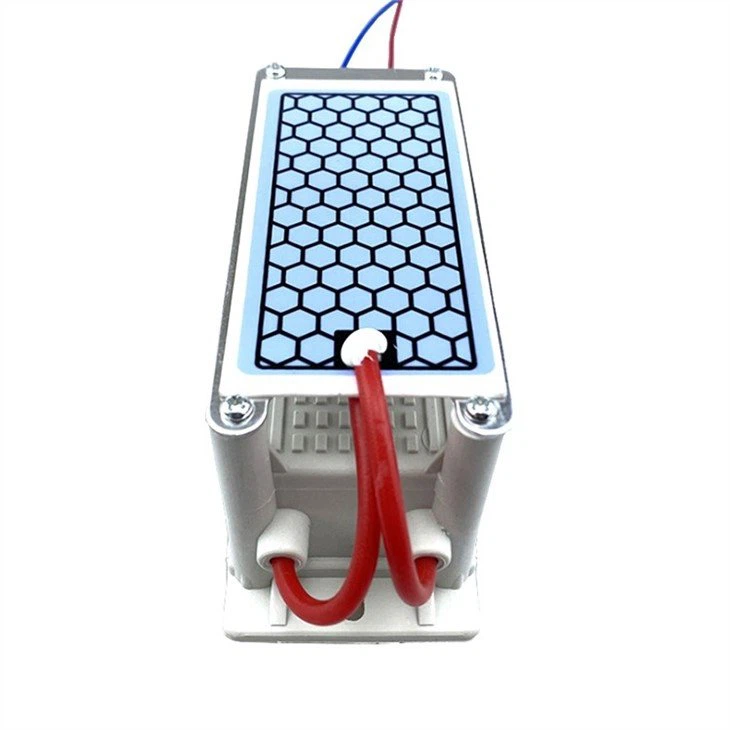
- Ozone Output: Different ozone generators have different ozone output levels. For a small to medium - sized new car, a 5g Ozone generator may be sufficient. However, if the car has a large interior or a particularly strong odor, a 10g ozone generator Cleaner Ozonizer Odor Eliminator or even a 20g Portable Ozone Generator Air Sterilizer might be more appropriate.
- Portability: A portable ozone generator is more convenient for use in a car. It can be easily moved from one car to another or stored when not in use.
- Safety Features: Look for an ozone generator with safety features such as an automatic shut - off timer. This ensures that the generator does not run for an extended period, reducing the risk of over - exposure to ozone.
How to Use a Car Ozone Generator in a New Car
- Prepare the Car: Remove all personal items from the car, especially food, drinks, and any items that may be sensitive to ozone. Close all windows and doors tightly to create a sealed environment.
- Place the Ozone Generator: Place the ozone generator in a central position in the car, such as on the dashboard or in the middle of the back seat. Make sure it is stable and not likely to fall or tip over during operation.
- Set the Timer: Set the timer according to the manufacturer's instructions. For a new car, a treatment time of 30 minutes to 1 hour is usually sufficient.
- Leave the Car: Leave the car immediately after starting the ozone generator. Do not stay inside the car during the treatment.
- Ventilate the Car: After the treatment is complete, open all the windows and doors of the car and let it ventilate for at least 30 minutes to 1 hour to allow the ozone to dissipate.
Conclusion
In conclusion, a car ozone generator can be used in a new car, but it should be used with caution. The benefits of odor elimination, sterilization, and improved air quality make it an attractive option for many new car owners. However, the potential risks of ozone toxicity and material damage need to be carefully considered. By choosing the right ozone generator and following the proper usage guidelines, you can safely and effectively use a car ozone generator in your new car.
If you're interested in purchasing a high - quality car ozone generator for your new car, we're here to assist you. We offer a wide range of ozone generators with different specifications to meet your specific needs. Feel free to contact us for more information and to start a procurement discussion.

References
- National Institute for Occupational Safety and Health (NIOSH). (1994). Criteria for a Recommended Standard: Occupational Exposure to Ozone.
- Environmental Protection Agency (EPA). (2021). Volatile Organic Compounds' Impact on Indoor Air Quality.
- American Lung Association. (2022). Ozone Air Pollution and Your Health.