As a supplier of home ozone machines, I often receive inquiries from customers about the suitability of using these devices in various settings. One question that comes up frequently is whether a home ozone machine can be used in a nursery. This is a crucial concern for parents who want to ensure a clean and healthy environment for their little ones. In this blog post, I will delve into the science behind ozone machines, their potential benefits and risks, and provide guidance on whether they can be safely used in a nursery.
Understanding Ozone and Ozone Machines
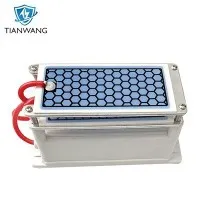
Ozone is a gas composed of three oxygen atoms (O3). In the Earth's upper atmosphere, the ozone layer plays a vital role in protecting us from harmful ultraviolet radiation. However, at ground level, ozone can be a pollutant and a health hazard. Ozone machines work by producing ozone gas through the process of corona discharge or ultraviolet light. The generated ozone is then released into the air, where it can react with and neutralize various contaminants.
Potential Benefits of Using Ozone Machines in a Nursery
- Air Purification: Ozone has strong oxidizing properties, which means it can break down and eliminate odors, bacteria, viruses, and mold spores in the air. In a nursery, where babies are more vulnerable to respiratory infections, an ozone machine could potentially help in reducing the presence of these harmful microorganisms.
- Allergen Reduction: Ozone can also help in reducing the levels of common allergens such as dust mites and pet dander. By neutralizing these allergens, it may provide relief for babies who suffer from allergies.
Risks Associated with Ozone Use in a Nursery
- Health Hazards: Exposure to high levels of ozone can cause a range of health problems, especially for infants. Ozone can irritate the respiratory system, leading to coughing, shortness of breath, and chest pain. Prolonged exposure to ozone can also damage the lungs and increase the risk of respiratory infections.
- Chemical Reactions: Ozone can react with other chemicals in the air to form harmful by - products such as formaldehyde and ultrafine particles. These by - products can pose additional health risks, particularly to the delicate respiratory systems of babies.
Safety Considerations
- Ozone Concentration: The key to using an ozone machine safely is to control the concentration of ozone in the air. The Occupational Safety and Health Administration (OSHA) has set a permissible exposure limit of 0.1 parts per million (ppm) for an 8 - hour workday. For a nursery, it is advisable to keep the ozone concentration well below this level.
- Ventilation: Adequate ventilation is essential when using an ozone machine. After running the machine, the nursery should be well - ventilated to allow the ozone to dissipate. It is also important to ensure that the baby is not present in the room during the ozone treatment and for a sufficient period afterward.
Choosing the Right Ozone Machine for a Nursery
If you decide to use an ozone machine in a nursery, it is crucial to choose the right model. Look for machines with adjustable ozone output levels, so you can control the amount of ozone released. Here are some of the models we offer that are suitable for small spaces like nurseries:
- 20g Portable Ozone Generator Air Sterilizer: This portable ozone generator is powerful enough to purify the air in a small nursery. It has adjustable settings, allowing you to customize the ozone output according to your needs.
- 5g Ozone generator: Ideal for smaller nurseries, this 5g ozone generator provides a gentle yet effective way to purify the air. It is easy to use and operates quietly, making it suitable for a baby's environment.
- 10g ozone generator Cleaner Ozonizer Odor Eliminator: This 10g ozone generator offers a good balance between power and safety. It can effectively eliminate odors and purify the air in a nursery while maintaining a safe ozone concentration.
Best Practices for Using an Ozone Machine in a Nursery
- Read the Manual: Before using the ozone machine, carefully read the user manual to understand its operation, safety instructions, and recommended settings.
- Test the Machine: Before using the machine in the nursery, test it in an unoccupied room to familiarize yourself with its performance and to ensure that it is working properly.
- Set the Right Time and Concentration: Based on the size of the nursery, set the appropriate ozone output level and running time. Start with a lower setting and gradually increase it if necessary.
- Keep the Baby Away: Make sure the baby is not in the room when the ozone machine is running. After the treatment, wait for at least 30 minutes to an hour before allowing the baby back into the nursery to allow the ozone to dissipate.
Conclusion
In conclusion, while a home ozone machine can potentially offer benefits in terms of air purification and allergen reduction in a nursery, it must be used with extreme caution. The health and safety of the baby should always be the top priority. By choosing the right ozone machine, following the safety guidelines, and using best practices, it may be possible to use an ozone machine in a nursery safely.
If you are interested in purchasing a home ozone machine for your nursery or have any questions about our products, we encourage you to contact us for a detailed discussion and to explore the best options for your needs. We are committed to providing high - quality ozone machines that meet the highest standards of safety and performance.


References
- American Lung Association. (2023). Ozone: What is it and how does it affect your health?
- Occupational Safety and Health Administration (OSHA). (2023). Permissible exposure limits for chemical substances.
- World Health Organization (WHO). (2023). Air quality guidelines for ozone.