Can a car ozone generator damage car interiors?
As a car ozone generator supplier, I'm often confronted with concerns from customers about whether these devices can cause damage to car interiors. It's a valid question considering the significant investment people make in their vehicles, both in terms of money and personal attachment. In this blog, I'll delve into the science behind car ozone generators and explore the potential impact they may have on car interiors.
Understanding Ozone and Its Function in Car Ozone Generators
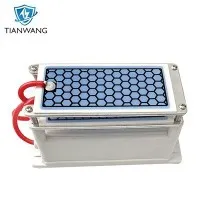
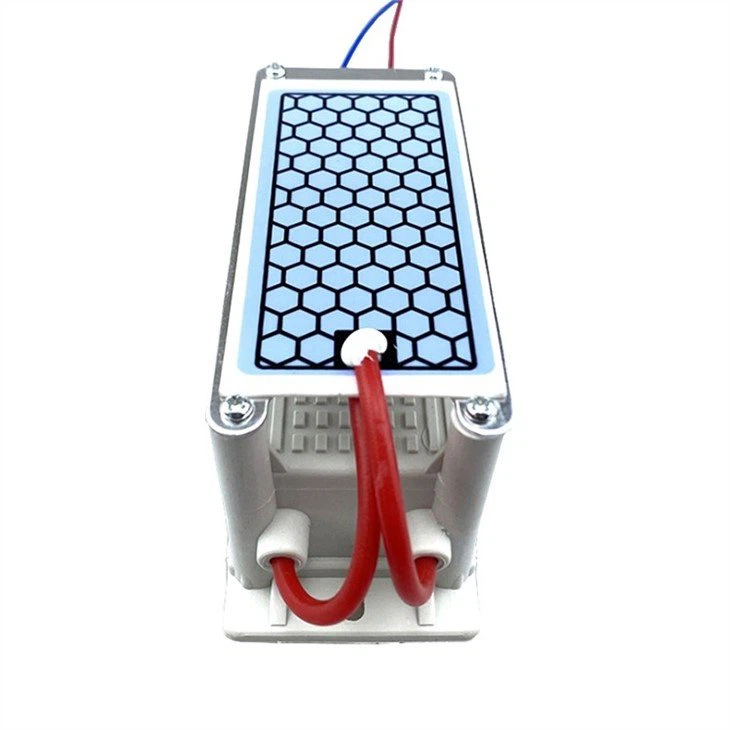
Ozone (O₃) is a highly reactive gas composed of three oxygen atoms. It's known for its powerful oxidizing properties, which make it effective at eliminating odors, killing bacteria, and purifying the air. In car ozone generators, ozone is produced through a process called corona discharge or ultraviolet radiation. The generated ozone is then released into the car cabin, where it reacts with and breaks down odor - causing molecules and microorganisms.

The ability of ozone to neutralize odors is what makes it so appealing for use in cars. From the smell of cigarettes to food spills and the dampness that can cause musty odors, ozone can penetrate into every nook and cranny of the car interior to freshen the air.
Potential Risks to Car Interiors
While car ozone generators offer great benefits, there are some potential risks associated with their use that could affect car interiors.
Damage to Synthetic Materials
Many modern car interiors are made of synthetic materials such as plastics, vinyl, and rubber. Ozone is a strong oxidant, and over - exposure to high levels of ozone can cause these materials to degrade. For example, plastics may become brittle and crack, and vinyl may lose its flexibility and start to peel.
PVC (polyvinyl chloride), a common material used in car seats and dashboards, is particularly vulnerable. When PVC is exposed to ozone, it can undergo a process called oxidation, which breaks down the polymer chains in the material. This can lead to discoloration and a loss of mechanical properties over time.
Fading of Fabrics and Upholstery
Car upholstery and carpets are often made of various fabrics. Ozone can cause these fabrics to fade. The high - energy nature of ozone can break down the chemical bonds in dyes, causing the colors to become dull and less vibrant. Light - colored fabrics are usually more susceptible to fading as the change in color is more noticeable.
Gaseous Reactions with Leather
Leather is a premium material used in many high - end cars. While leather is generally more durable than synthetic materials, it can still be affected by ozone. Ozone can react with the natural oils and tannins in the leather, causing it to dry out and become stiff. Over time, this can lead to cracking and a loss of the leather's luxurious feel.
Mitigating the Risks
However, it's important to note that the potential for damage to car interiors from ozone generators is not inevitable. By following some best practices, the risks can be significantly reduced.
Proper Usage and Dosage
One of the most crucial factors is using the ozone generator at the correct dosage and for the appropriate duration. Different sized ozone generators produce different amounts of ozone. For example, our 5g Ozone generator is suitable for small to medium - sized car cabins. It produces a relatively low amount of ozone, which is less likely to cause damage to the interior.
On the other hand, larger cars or those with more severe odor problems may require a more powerful unit like our 10g ozone generator Cleaner Ozonizer Odor Eliminator or 20g Portable Ozone Generator Air Sterilizer. But even with these more powerful models, it's essential to follow the manufacturer's instructions regarding usage time.
Ventilation
Proper ventilation is key. After using an ozone generator in the car, it's necessary to let the car air out thoroughly. Ozone has a relatively short half - life, which means it breaks down into oxygen over time. By opening all the doors and windows, you can speed up the process of removing any remaining ozone from the car cabin. This not only reduces the risk of damage to the interior but also ensures that the car is safe to enter, as high levels of ozone can be harmful to human health.
Scientific Studies on Ozone and Car Interiors
Several scientific studies have been conducted to assess the impact of ozone on various materials. A study published in the Journal of Applied Polymer Science examined the effect of ozone on PVC. The researchers found that exposure to high - concentration ozone for extended periods led to significant degradation of the PVC, including changes in color and mechanical properties.
However, another study focused on the use of ozone in automotive air purification. It concluded that when used correctly, ozone generators can effectively remove odors without causing substantial damage to car interiors. The key was in controlling the ozone concentration and exposure time.
Our Commitment as a Supplier
As a car ozone generator supplier, we are committed to providing our customers with high - quality products that are both effective and safe. Our ozone generators are designed with advanced technology to ensure precise control of ozone production. We also provide detailed user manuals that include instructions on proper usage, dosage, and safety precautions.
We understand that our customers value their cars and want to keep their interiors in pristine condition. That's why we continuously research and improve our products to minimize the potential risks associated with ozone use in cars.
Conclusion
In conclusion, while there is a potential risk that a car ozone generator can damage car interiors, this risk can be managed through proper use and following safety guidelines. Our range of ozone generators, from the 5g Ozone generator to the 10g ozone generator Cleaner Ozonizer Odor Eliminator and 20g Portable Ozone Generator Air Sterilizer, are designed to offer a balance between effective odor removal and protection of car interiors.
If you're interested in purchasing a car ozone generator or have any questions about our products, we encourage you to contact us for a detailed discussion. We're here to help you find the best solution for your car's air purification needs.
References
- Journal of Applied Polymer Science - Study on ozone effect on PVC
- Automotive air purification research on ozone use