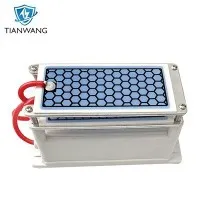
Hey there! As a supplier of home ozone generators, I often get asked if these nifty devices can be used in a music studio. Well, let's dive right into this topic and see if it's a good idea.
First off, let's talk about what an ozone generator does. Ozone (O₃) is a powerful oxidizing agent. When an ozone generator is turned on, it produces ozone gas by converting oxygen (O₂) molecules into ozone. This ozone then goes to work by breaking down and neutralizing odors, killing bacteria, viruses, and mold, and even removing some harmful chemicals from the air.
Now, let's consider the environment of a music studio. A music studio is a place where musicians create, record, and mix music. It needs to have good acoustics and a clean, comfortable environment. There are often a lot of electronic devices, instruments, and sensitive equipment in there.
One of the main benefits of using an ozone generator in a music studio is odor elimination. Studios can sometimes develop odors from things like sweaty musicians, old instruments, or just the general wear and tear of the space. An ozone generator can help get rid of these unpleasant smells. For example, our 10g ozone generator Cleaner Ozonizer Odor Eliminator is great for small to medium - sized studios. It can effectively break down odor - causing molecules, leaving the air smelling fresh.
Another advantage is air purification. Ozone can kill bacteria and viruses that might be floating around in the studio air. This is especially important in a shared studio environment where multiple people are coming in and out. Our 20g Portable Ozone Generator Air Sterilizer is a more powerful option for larger studios. It can cover a bigger area and provide more thorough air sterilization.


However, there are also some potential drawbacks to using an ozone generator in a music studio. Ozone is a highly reactive gas, and at high concentrations, it can be harmful to humans. When ozone comes into contact with organic materials, it can cause oxidation. This means that it might damage some of the sensitive materials in the studio, like the finishes on instruments or the insulation on cables.
Also, ozone can produce a distinct smell, which some people might find unpleasant. And if the ozone concentration is too high, it can irritate the eyes, nose, and throat of the people in the studio. So, if you're going to use an ozone generator, you need to be very careful about the settings and the duration of use.
For smaller studios or areas where you just need a bit of odor control, our 5g Ozone generator might be a good choice. It produces a lower amount of ozone, which reduces the risk of damage to equipment and is less likely to cause health problems if used correctly.
When using an ozone generator in a music studio, here are some tips to keep in mind. First, make sure the studio is unoccupied when the ozone generator is running. Ozone can be harmful to humans, so it's best to let the generator do its work when no one is around. After running the generator, let the studio air out for a few hours before anyone goes back in. This will allow the ozone to dissipate and return to a safe level.
Second, follow the manufacturer's instructions carefully. Different ozone generators have different settings and recommended usage times. Make sure you set the generator to the appropriate level for the size of your studio.
In conclusion, a home ozone generator can be used in a music studio, but it needs to be used with caution. The benefits of odor elimination and air purification can be great, but you have to be aware of the potential risks to your health and your equipment.
If you're interested in purchasing one of our ozone generators for your music studio, we'd love to have a chat with you. We can help you choose the right model based on the size and specific needs of your studio. Just reach out to us, and we'll be happy to assist you in making an informed decision.
References
- "Ozone: Health and Environmental Effects." Environmental Protection Agency.
- "The Chemistry of Ozone and Its Reactions with Organic Compounds." Journal of Chemical Education.