In today's world, where air quality is a growing concern, ozone generators have emerged as a popular solution for purifying the air and eliminating odors. A 12V ozone generator, in particular, offers a convenient and energy - efficient option for various applications, from small indoor spaces to vehicles. As a supplier of 12V ozone generators, I understand the importance of helping customers make informed decisions when choosing a reliable product. In this blog post, I will share some key factors to consider when selecting a 12V ozone generator.
Understanding Ozone and Its Benefits
Before delving into the selection process, it's essential to understand what ozone is and how it works. Ozone (O₃) is a highly reactive gas composed of three oxygen atoms. It is a powerful oxidant that can break down and neutralize a wide range of pollutants, including bacteria, viruses, mold spores, and unpleasant odors. When used correctly, ozone generators can effectively improve air quality and create a healthier environment.
However, it's important to note that ozone can be harmful in high concentrations. Exposure to excessive ozone levels can cause respiratory problems, eye irritation, and other health issues. Therefore, it's crucial to choose a 12V ozone generator that can produce ozone safely and at appropriate levels for the intended application.
Factors to Consider When Choosing a 12V Ozone Generator
Ozone Output
One of the most important factors to consider when choosing a 12V ozone generator is its ozone output, which is typically measured in milligrams per hour (mg/h). The ozone output you need depends on the size of the space you want to treat and the severity of the pollution. For small spaces, such as a car or a small room, a lower ozone output of around 50 - 100 mg/h may be sufficient. Larger spaces or areas with more severe pollution may require a generator with a higher ozone output.
For example, our New Material 50mg 100mg DC 12V Mini Air Purifier Ozone Generator Ionizer For Kitchen Appliances is a great option for small spaces. It offers a choice of 50mg/h or 100mg/h ozone output, making it suitable for use in kitchens, bathrooms, or small offices.
Ozone Generation Method
There are several methods of generating ozone, including corona discharge, ultraviolet (UV) light, and cold plasma. Each method has its own advantages and disadvantages.
- Corona Discharge: This is the most common method used in ozone generators. It involves passing an electrical current through a high - voltage electrode to create a corona discharge, which converts oxygen molecules (O₂) into ozone (O₃). Corona discharge generators are generally more efficient and can produce higher ozone outputs compared to other methods. However, they may also generate some nitrogen oxides as a by - product, which can be harmful in high concentrations.
- UV Light: UV ozone generators use ultraviolet light to break down oxygen molecules and create ozone. They are relatively simple and inexpensive, but they typically have a lower ozone output compared to corona discharge generators. UV generators are also less efficient and may require more energy to operate.
- Cold Plasma: Cold plasma ozone generators use a high - energy plasma field to generate ozone. They are more efficient and can produce ozone at lower temperatures compared to corona discharge generators. Cold plasma generators also produce fewer nitrogen oxides as a by - product. However, they are generally more expensive and less common.
When choosing a 12V ozone generator, it's important to consider the ozone generation method and choose a generator that uses a method that is suitable for your needs and budget.


Build Quality and Durability
The build quality and durability of a 12V ozone generator are also important factors to consider. A well - built generator will be more reliable and last longer, saving you money in the long run. Look for generators that are made from high - quality materials and have a sturdy construction.
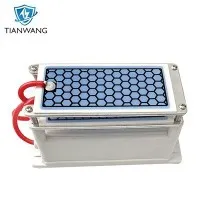
For example, our Ceramic Ozone Plate for Air Purifier Parts 5g is made from high - quality ceramic materials, which are known for their durability and resistance to heat and corrosion. This ensures that the ozone generator can operate effectively for a long time.
Safety Features
As mentioned earlier, ozone can be harmful in high concentrations. Therefore, it's crucial to choose a 12V ozone generator that has safety features to prevent over - exposure to ozone. Some common safety features include:
- Timer: A timer allows you to set the operating time of the ozone generator, ensuring that it does not run for too long and produce excessive ozone levels.
- Ozone Sensor: An ozone sensor can detect the ozone concentration in the air and automatically shut off the generator when the ozone level reaches a safe limit.
- Remote Control: A remote control allows you to operate the ozone generator from a distance, reducing your exposure to ozone.
Ease of Use and Maintenance
Finally, consider the ease of use and maintenance of the 12V ozone generator. A generator that is easy to operate and maintain will be more convenient to use and less likely to cause problems. Look for generators that have simple controls and are easy to clean and maintain.
For example, our 12v 5g Odor Mini Car Ozone Generator is designed for easy use in cars. It can be easily plugged into the car's cigarette lighter socket and has a simple on/off switch. The generator also has a compact design, making it easy to store when not in use.
Conclusion
Choosing a reliable 12V ozone generator requires careful consideration of several factors, including ozone output, ozone generation method, build quality, safety features, and ease of use and maintenance. By taking the time to research and compare different models, you can find a generator that meets your needs and provides effective air purification.
If you are interested in purchasing a 12V ozone generator or have any questions about our products, please feel free to contact us. We are here to help you make the right choice and ensure that you get the best possible air purification solution for your needs.
References
- Air Quality Association. (2023). Ozone Generators and Indoor Air Quality.
- Environmental Protection Agency. (2023). Ozone: What It Is and How It Affects You.