Can a home ozone generator be used in a small room?


As a supplier of home ozone generators, I often encounter questions from customers regarding the suitability of using these devices in small rooms. Ozone generators have gained popularity in recent years for their potential to purify the air, eliminate odors, and even neutralize certain harmful substances. However, their use in confined spaces like small rooms requires careful consideration.
Understanding How Ozone Generators Work
Before delving into the topic of using ozone generators in small rooms, it's essential to understand how they function. Ozone generators work by producing ozone (O₃), a highly reactive gas. When ozone is released into the air, it can react with various pollutants, including odors, bacteria, viruses, and mold spores. The reaction breaks down these pollutants into less harmful substances, effectively purifying the air.
Benefits of Using an Ozone Generator in a Small Room
There are several potential benefits to using an ozone generator in a small room. Firstly, it can be highly effective in eliminating stubborn odors. Whether it's the smell of cooking, pet odors, or the musty smell from a damp corner, ozone can react with the odor - causing molecules and neutralize them. For example, in a small kitchen where strong cooking smells can linger, an ozone generator can quickly freshen the air.
Secondly, ozone has antibacterial and antiviral properties. In a small room, where the air circulation may be limited, there is a higher chance of bacteria and viruses accumulating. An ozone generator can help reduce the concentration of these harmful microorganisms, creating a healthier environment. This is particularly beneficial in rooms where people with weakened immune systems, such as the elderly or young children, spend a lot of time.
Potential Risks in a Small Room
However, using an ozone generator in a small room also comes with potential risks. Ozone is a toxic gas at high concentrations. The Environmental Protection Agency (EPA) has set a limit for ozone exposure in indoor environments. In a small room, it's easier for ozone levels to reach or exceed these safe limits, especially if the ozone generator is set to a high output or is run for an extended period.
Exposure to high levels of ozone can cause a variety of health problems, including irritation of the respiratory system, coughing, shortness of breath, and chest pain. Prolonged exposure may even lead to more serious health issues, such as damage to the lungs. Therefore, it's crucial to use ozone generators in small rooms with caution.
Selecting the Right Ozone Generator for a Small Room
When choosing an ozone generator for a small room, it's important to consider the ozone output. A generator with too high an output can quickly lead to unsafe ozone levels in a confined space.
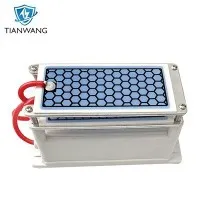
For a small room, say a room with an area of less than 20 square meters, a 5g Ozone generator is usually a good choice. This type of generator has a relatively low ozone output, which can effectively purify the air without causing ozone levels to spike too high.
If the room has a slightly larger area, around 20 - 30 square meters, a 10g ozone generator Cleaner Ozonizer Odor Eliminator may be more appropriate. It can provide a bit more ozone to cover the larger space, but still, it should be used with proper ventilation and time control.
For very specific needs, such as dealing with a particularly strong odor or a high - level of pollution in a small room, a 20g Portable Ozone Generator Air Sterilizer can be considered. However, this should be used sparingly and with extreme caution, as the high output can pose a significant risk if not managed properly.
Safe Usage Guidelines for Small Rooms
To use an ozone generator safely in a small room, here are some guidelines:
- Ventilation: Ensure proper ventilation during and after using the ozone generator. Open windows or use exhaust fans to allow fresh air to circulate and dilute the ozone.
- Occupancy: Evacuate the room during the ozone - generating process. People and pets should not be present in the room while the ozone generator is running. Wait for at least 30 minutes to a few hours after turning off the generator, depending on the output and the size of the room, before re - entering.
- Time Control: Limit the running time of the ozone generator. Start with short intervals, such as 15 - 30 minutes, and gradually increase the time if necessary. Monitor the ozone levels if possible.
Conclusion
In conclusion, a home ozone generator can be used in a small room, but it must be used with great care. When used correctly, it can offer significant benefits in terms of odor elimination and air purification. However, the potential risks associated with ozone exposure cannot be ignored. By selecting the right ozone generator based on the room size, following the safe usage guidelines, and being aware of the potential health effects, you can make the most of an ozone generator in a small room.
If you are interested in purchasing a home ozone generator for your small room or have any questions about our products, please feel free to contact us for more information and to start a procurement negotiation.
References
- Environmental Protection Agency (EPA). Ozone and Your Health.
- World Health Organization (WHO). Air Quality Guidelines for Particulate Matter, Ozone, Nitrogen Dioxide and Sulfur Dioxide.