As a reputable supplier of 10g ozone generators, I understand the significance of these devices in various applications, from air purification to water treatment. In this blog post, I'll delve into the components that make up a 10g ozone generator, explaining their functions and importance. Whether you're a professional in the industry or someone looking to understand ozone generators better, this guide will provide valuable insights.
1. Ozone Generation Tube
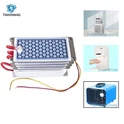
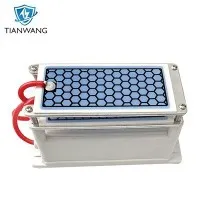
The ozone generation tube, also known as the ozone cell, is the heart of the ozone generator. It is responsible for producing ozone from oxygen. In a 10g ozone generator, this tube is designed to generate a sufficient amount of ozone to meet the specified output.
There are two common types of ozone generation tubes: corona discharge and ultraviolet (UV) light. In corona discharge tubes, a high-voltage electrical field is applied to dry air or oxygen, causing the oxygen molecules (O₂) to split into individual oxygen atoms (O). These atoms then combine with other oxygen molecules to form ozone (O₃). UV light tubes, on the other hand, use ultraviolet light to break apart oxygen molecules and create ozone.
The material of the ozone generation tube is crucial. Glass and ceramic are commonly used materials due to their electrical insulating properties and resistance to the corrosive nature of ozone. The tube's design and construction also affect its efficiency and lifespan. For example, a well-coated and properly sealed tube will minimize leakage and ensure consistent ozone production.
2. Power Supply
A reliable power supply is essential for the operation of a 10g ozone generator. It provides the necessary electrical energy to generate the high voltage required for ozone production in corona discharge generators or to power the UV lamps in UV-based generators.
The power supply must be able to convert the incoming electrical current (usually from a standard power outlet) into the appropriate voltage and frequency. In corona discharge ozone generators, the power supply typically needs to produce a high voltage in the range of several thousand volts to create the necessary electrical field for ozone generation.
Efficiency is a key factor when considering the power supply. A high-efficiency power supply will consume less electricity while delivering the required power to the ozone generation tube, resulting in lower operating costs over time. Additionally, a stable power supply helps maintain consistent ozone output, which is important for achieving the desired results in air or water treatment applications.
3. Control Board
The control board is like the brain of the 10g ozone generator. It monitors and regulates the operation of the generator, ensuring that it functions safely and efficiently.


The control board can adjust the ozone output based on the user's requirements. For example, in some applications, a lower ozone concentration may be sufficient, while in others, a higher concentration may be needed. The control board can also control the operating time of the generator, allowing users to set it to run for a specific period.
In addition to output and time control, the control board also includes safety features. It can detect abnormal conditions such as overheating or a power surge and automatically shut down the generator to prevent damage. Some advanced control boards also have diagnostic functions, which can display error messages or provide information about the generator's status.
4. Air Pump
An air pump is an important component in many 10g ozone generators, especially those that use corona discharge technology. Its main function is to supply a continuous flow of air or oxygen to the ozone generation tube.
The air pump must be able to provide a sufficient volume of air at the right pressure. If the air flow is too low, the ozone production will be reduced, and if the pressure is too high, it may damage the ozone generation tube. A good air pump should also be quiet and reliable, as it will be running for extended periods.
In some ozone generators, the air pump is also responsible for delivering the generated ozone to the desired location. For example, in an air purification system, the air pump will blow the ozone-rich air into the room. In a water treatment system, it may be used to inject the ozone into the water.
5. Cooling System
Ozone generation is an exothermic process, which means it generates heat. Excessive heat can reduce the efficiency of the ozone generation tube and shorten its lifespan. Therefore, a cooling system is often required in a 10g ozone generator to maintain a proper operating temperature.
There are two main types of cooling systems: air cooling and water cooling. Air cooling systems use fans to blow air over the ozone generation tube and other heat-generating components, dissipating the heat into the surrounding environment. Water cooling systems, on the other hand, use water to absorb the heat and then transfer it to a radiator or other heat exchanger.
The choice of cooling system depends on the specific requirements of the ozone generator. Air cooling is simpler and more cost-effective, but it may not be sufficient for high-output generators. Water cooling is more efficient but requires a more complex setup and additional maintenance.
6. Housing and Enclosure
The housing and enclosure of a 10g ozone generator serve several important functions. Firstly, they protect the internal components from physical damage, dust, and moisture. This helps to ensure the reliability and longevity of the generator.
Secondly, the housing can help to reduce noise levels. The operation of the air pump, fans, and other components can generate noise, and a well-designed housing can absorb and dampen this noise.
Finally, the housing also provides a convenient and safe way to handle and install the ozone generator. It usually has mounting points and access panels for easy maintenance and servicing.
Conclusion
A 10g ozone generator is a complex device composed of several key components, each playing a vital role in its operation. Understanding these components can help you make an informed decision when choosing an ozone generator for your specific needs.
At our company, we offer a range of high-quality ozone generators, including the 5g Ozone generator, 10g ozone generator Cleaner Ozonizer Odor Eliminator, and 20g Portable Ozone Generator Air Sterilizer. Our generators are designed with the latest technology and high-quality components to ensure reliable performance and efficient ozone production.
If you're interested in learning more about our ozone generators or have any questions about ozone generation, please don't hesitate to contact us. We're here to help you find the best solution for your application and provide you with the support you need throughout the purchasing process.
References
- Ozone: Science & Engineering - A Journal of the International Ozone Association
- Handbook of Ozone Technology and Applications
- Ozone Generator Manufacturer's Technical Documents