Can a home ozone generator be used in a wine cellar? This is a question that I, as a home ozone generator supplier, often get asked. In this blog, I'll share my insights on whether it's a good idea to use an ozone generator in a wine cellar.
First off, let's talk about what ozone generators do. Ozone generators work by producing ozone, a gas made up of three oxygen atoms. Ozone is a powerful oxidizing agent, which means it can break down and neutralize odors, bacteria, and other contaminants in the air. This makes ozone generators popular for air purification and odor elimination in various settings.
Now, when it comes to wine cellars, maintaining the right environment is crucial. Wine is a delicate product that can be affected by temperature, humidity, and even the presence of certain odors. A wine cellar should have a stable temperature, usually between 50 - 60°F (10 - 15°C), and a humidity level of around 70%. Any deviation from these conditions can affect the taste and quality of the wine over time.
One of the potential benefits of using an ozone generator in a wine cellar is odor control. Wine cellars can sometimes develop musty or other unwanted odors, which can seep into the wine and affect its flavor. Ozone can help to eliminate these odors by breaking down the odor - causing molecules. For example, if there's a moldy smell in the cellar, the ozone can react with the mold spores and neutralize them.
But there are also some significant concerns. Ozone can be harmful to wine. Wine is a complex chemical mixture, and ozone can react with the compounds in wine. It can oxidize the wine too quickly, leading to a loss of flavor and aroma. Oxidation is a natural process in wine aging, but it should happen slowly and in a controlled environment. When ozone is present in high concentrations, it can speed up this oxidation process, making the wine taste flat and dull.
Another issue is the effect of ozone on the corks. Corks are an important part of wine storage as they allow a small amount of oxygen to enter the bottle, which is necessary for the wine to age properly. Ozone can damage the corks, making them dry and brittle. This can lead to air leakage into the bottles, further accelerating the oxidation of the wine.


So, can you use a home ozone generator in a wine cellar? The answer is yes, but with extreme caution. If you decide to use an ozone generator, you need to make sure you use it at the right concentration and for the right amount of time.
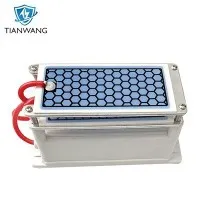
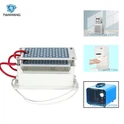
We offer a range of home ozone generators that can be suitable for a wine cellar if used correctly. For example, our 20g Portable Ozone Generator Air Sterilizer is a powerful option. It can produce a significant amount of ozone, but it also allows you to adjust the output. You can set it to a low - level output to gently clean the air in the wine cellar without causing too much harm to the wine.
Our 5g Ozone generator is a more gentle option. It's great for small wine cellars or for those who want to use ozone in a very controlled way. It produces a lower amount of ozone, which reduces the risk of over - oxidizing the wine.
The 10g ozone generator Cleaner Ozonizer Odor Eliminator is a middle - ground option. It can handle larger wine cellars while still allowing for some control over the ozone output.
When using an ozone generator in a wine cellar, here are some tips:
- Start with a very low setting. Test the generator for a short period, say 15 - 30 minutes, and then check the wine and the environment in the cellar.
- Monitor the ozone levels. You can use an ozone monitor to make sure the concentration doesn't get too high. The safe level of ozone in an indoor environment is generally considered to be below 0.05 ppm (parts per million).
- Keep the generator away from the wine bottles. Place it in a corner or on a high shelf to minimize direct contact between the ozone and the wine.
- Ventilate the cellar after using the ozone generator. Open the doors and let fresh air in to remove any remaining ozone.
In conclusion, while a home ozone generator can be used in a wine cellar, it's not a decision to be taken lightly. You need to understand the risks and take the necessary precautions. If you're interested in using an ozone generator in your wine cellar, we're here to help. We can provide you with more information about our products and offer advice on how to use them safely. Contact us to start a discussion about your specific needs and how our ozone generators can fit into your wine cellar setup.
References
- "The Science of Wine" by Dr. Jamie Goode
- "Wine Storage and Cellaring" by Tom Stevenson