In recent years, the concept of eco - friendliness has become a significant concern for consumers and businesses alike. As a supplier of arc lighters, I often find myself facing the question: "Is an arc lighter eco - friendly?" In this blog post, I will delve into this topic from multiple perspectives to provide a comprehensive answer.
Understanding Arc Lighters
Arc lighters, also known as plasma lighters, are a modern alternative to traditional flame lighters. Instead of producing a flame, they generate an electric arc, which is a continuous electrical discharge through a gas. This arc can reach high temperatures and is capable of lighting cigarettes, candles, and even starting a fire in some cases.
The main components of an arc lighter typically include a rechargeable battery, a circuit board, and electrodes. When the lighter is activated, the battery supplies power to the circuit board, which then creates a high - voltage electrical current between the electrodes, forming the arc.
Environmental Advantages of Arc Lighters
Reduced Emissions
One of the most significant environmental benefits of arc lighters is their lack of combustion. Traditional lighters, such as butane lighters, burn fuel to produce a flame. This combustion process releases various pollutants into the atmosphere, including carbon monoxide, hydrocarbons, and particulate matter. These emissions can contribute to air pollution and have negative impacts on human health and the environment.
In contrast, arc lighters do not burn any fuel. They rely on electricity to create the arc, which means there are no emissions of harmful gases or particulate matter during the lighting process. This makes them a much cleaner option in terms of air quality.
Reusability
Arc lighters are designed to be rechargeable. Most models come with a USB charging port, allowing users to easily recharge the battery using a computer, power bank, or wall adapter. This reusability factor is a major advantage over disposable lighters, which are typically used once and then thrown away.
Disposable lighters contribute to a significant amount of waste. They are often made of plastic and metal components, and when discarded, they end up in landfills or as litter in the environment. By using a rechargeable arc lighter, consumers can reduce their waste generation and minimize their environmental footprint.
Energy Efficiency
Arc lighters are generally more energy - efficient than traditional lighters. The energy required to create an arc is relatively low compared to the energy consumed in burning fuel in a traditional lighter. Additionally, the rechargeable batteries used in arc lighters can store energy effectively, and modern battery technologies have improved the overall energy efficiency of these lighters.
Potential Environmental Concerns
Battery Production and Disposal
While arc lighters offer many environmental benefits, there are also some potential concerns related to the production and disposal of their batteries. The production of rechargeable batteries, such as lithium - ion batteries, involves the extraction and processing of various raw materials, including lithium, cobalt, and nickel. These mining activities can have significant environmental impacts, such as habitat destruction, water pollution, and soil degradation.
Moreover, when the batteries reach the end of their life cycle, they need to be disposed of properly. If not recycled correctly, the heavy metals and chemicals in the batteries can leach into the environment and cause pollution. However, many regions have established battery recycling programs to address this issue, and as a supplier, I encourage consumers to recycle their used batteries.
Electronic Waste
Arc lighters are electronic devices, and like all electronic products, they contribute to the growing problem of electronic waste (e - waste). When an arc lighter malfunctions or reaches the end of its useful life, it becomes e - waste. E - waste contains a variety of hazardous materials, such as lead, mercury, and cadmium, which can be harmful to the environment and human health if not disposed of properly.
To mitigate this issue, it is important for consumers to recycle their arc lighters at designated e - waste recycling facilities. As a supplier, I also strive to design products with a longer lifespan and provide repair services to extend the usability of our arc lighters.
Comparing Arc Lighters with Other Lighter Types
Butane Lighters
As mentioned earlier, butane lighters produce emissions during combustion. They also require a continuous supply of butane gas, which is a fossil fuel. The extraction, production, and transportation of butane contribute to greenhouse gas emissions and other environmental impacts. In contrast, arc lighters offer a cleaner and more sustainable alternative.
Matches
Matches are another traditional lighting option. They are made from wood and sulfur, and their production involves cutting down trees and using chemicals. Additionally, matches are often single - use items, which means they generate more waste compared to rechargeable arc lighters.
Our Product Range
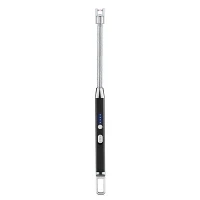
At our company, we offer a variety of arc lighters to meet different customer needs. For example, we have the Spinning Long Stick Flameless Windproof Candles Usb Bbq Electric Single Arc Lighter. This lighter is perfect for lighting candles and can be used outdoors due to its windproof design. It is also rechargeable via USB, making it convenient and eco - friendly.
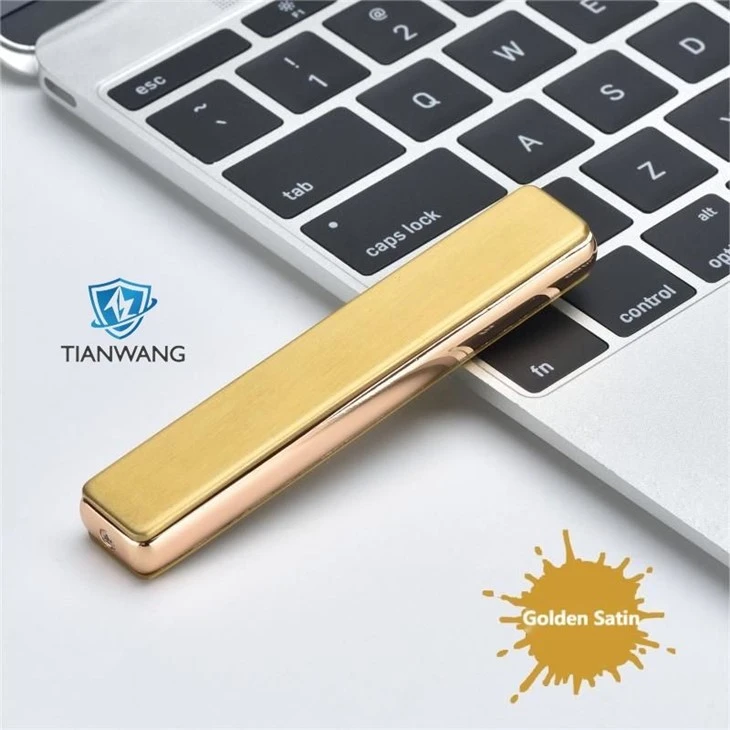
We also have the Long Strip Push Pull Electronic Cigarette Lighter. This sleek and stylish lighter is specifically designed for smokers. It features a unique push - pull mechanism and is powered by a rechargeable battery.
Another popular product is the Windproof Plasma Electric Cool Lighter Dual Arc Flameless Rechargeable USB Cigarette Lighter Smoking Lighters. With its dual - arc design, it provides a stronger and more reliable ignition source. It is also windproof and rechargeable, making it a great choice for outdoor use.
Conclusion
In conclusion, arc lighters have several environmental advantages over traditional lighters, including reduced emissions, reusability, and energy efficiency. However, there are also some potential environmental concerns related to battery production and disposal and electronic waste. Overall, arc lighters can be considered a more eco - friendly option, especially when compared to disposable lighters and those that rely on fossil fuels.

If you are interested in our arc lighters or have any questions about their environmental impact, please feel free to contact us for a procurement discussion. We are committed to providing high - quality, eco - friendly products and look forward to working with you.
References
- "Environmental Impact of Lighters." Journal of Environmental Science and Technology.
- "The Future of Rechargeable Batteries." Energy Research Magazine.
- "E - Waste Management: Challenges and Solutions." International Journal of Waste Management.