The use of stun guns in a hospital setting is a complex and controversial topic that requires careful consideration of multiple factors, including safety, legal implications, and the overall environment of the healthcare facility. As a stun gun supplier, it is essential to understand the nuances of this issue to provide accurate information and guidance to potential customers.
Safety Concerns
Hospitals are places where patients are in a vulnerable state, often with pre - existing medical conditions. The use of a stun gun can pose significant risks to patients, medical staff, and visitors. Stun guns work by delivering an electric shock that can disrupt the normal electrical signals in the body. For patients with heart conditions, such as arrhythmias or pacemakers, this electric shock could potentially trigger a cardiac event.
Moreover, the chaos and panic caused by the use of a stun gun in a hospital environment can lead to accidents. For example, medical staff may be distracted from their tasks, and patients may be injured while trying to flee or avoid the situation. In a confined and crowded hospital space, the risk of falls and collisions is high.

However, in some extreme cases, if a highly dangerous individual is causing immediate harm to others and there are no other non - lethal options available, a stun gun could potentially be used as a last resort. But this would require strict protocols and training to minimize the potential for harm.
Legal Implications
The legal status of using stun guns in hospitals varies from one jurisdiction to another. In many places, stun guns are regulated weapons, and their use is restricted to law enforcement officers or under specific circumstances. Hospitals may have their own internal policies that prohibit the use of stun guns on their premises to avoid legal liability.
If a stun gun is used in a hospital and causes harm to someone, the hospital and the person using the stun gun could face legal action. This could involve claims for personal injury, medical malpractice, or violation of patient rights. Therefore, it is crucial for hospitals to consult with legal experts before considering the use of stun guns.
Alternatives to Stun Guns in Hospitals
There are several non - lethal alternatives to stun guns that are more suitable for hospital environments. One of the most common is the use of security personnel trained in de - escalation techniques. These professionals can diffuse tense situations through communication and negotiation, reducing the need for physical force.
Another option is the use of physical restraint devices such as soft restraints. These are designed to safely and temporarily immobilize a person without causing long - term harm. Additionally, some hospitals use alarm systems and emergency response protocols to quickly summon help when a dangerous situation arises.
Mini Lipstick Stun Gun for Women
For personal safety outside of the hospital environment, our Mini Lipstick Stun Gun for Women is a popular choice. It is compact and discreet, making it easy to carry in a purse or pocket. This stun gun provides a reliable means of self - defense for women in various situations, although its use in a hospital should be carefully evaluated due to the reasons mentioned above.
Electric Shock Stun Gun
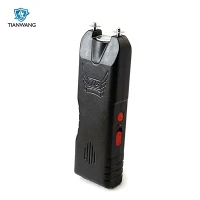
Our Electric Shock Stun Gun is designed to deliver a powerful electrical shock to incapacitate an attacker. It is a more traditional stun gun that has been used by individuals for self - protection. However, in a hospital, the use of such a device would require strict authorization and should be considered only in extreme circumstances.
High Power Pain Pen Stun Gun
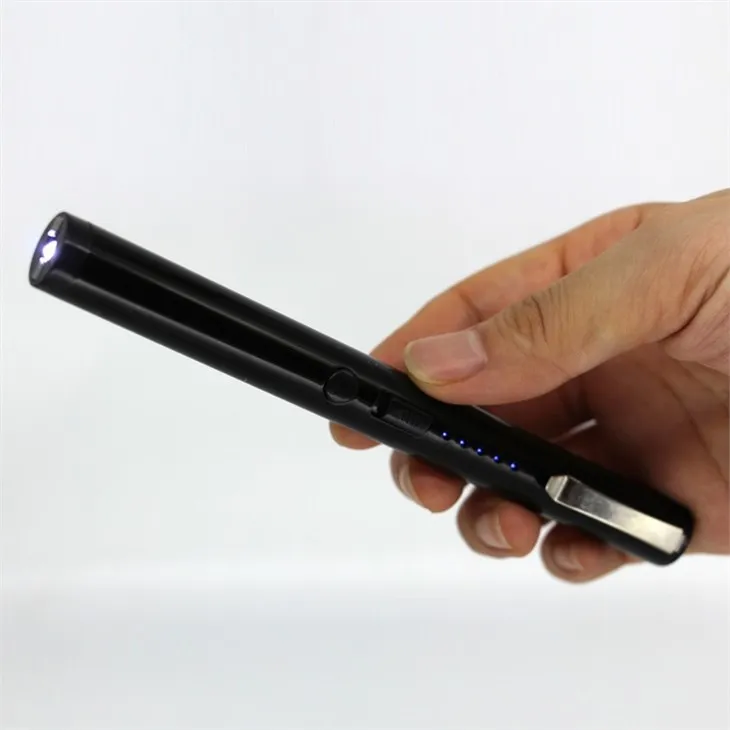
The High Power Pain Pen Stun Gun is another product in our lineup. It is small and can be easily concealed, but it also packs a significant punch. While it may be useful for personal safety in other settings, using it in a hospital would be a serious decision that should be based on careful risk assessment.
Conclusion
In conclusion, the use of stun guns in a hospital is generally not recommended due to the safety risks and legal implications. Hospitals should focus on non - lethal and more patient - friendly methods of managing dangerous situations. However, as a stun gun supplier, we understand that there may be rare circumstances where a stun gun could be considered as a last - resort option.
If you are interested in learning more about our stun gun products for appropriate non - hospital settings or have any questions regarding the safety and functionality of our stun guns, we invite you to contact us for a procurement discussion. We are committed to providing you with detailed information and helping you make an informed decision about self - defense products.
References
- American Hospital Association. (Year). Hospital Security: A Guide to Best Practices.
- Local Law Enforcement Agencies. (Year). Regulations on the Use of Stun Guns in Various Settings.
- Medical Research Journals on the Effects of Electric Shocks on the Human Body.