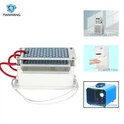
As a supplier of ozone generator air products, I often get asked about the suitability of using ozone generators in various environments. One question that comes up quite frequently is whether an ozone generator can be used in a toy store. In this blog post, I'll explore this topic in detail, looking at the potential benefits, risks, and considerations when using ozone generators in a toy store setting.
Understanding Ozone Generators
Before delving into the use of ozone generators in toy stores, it's essential to understand what ozone generators are and how they work. Ozone generators are devices that produce ozone (O₃), a highly reactive gas composed of three oxygen atoms. Ozone is a powerful oxidant and has strong disinfectant and deodorizing properties. When ozone comes into contact with pollutants, bacteria, viruses, and odors, it oxidizes them, breaking them down into less harmful substances.
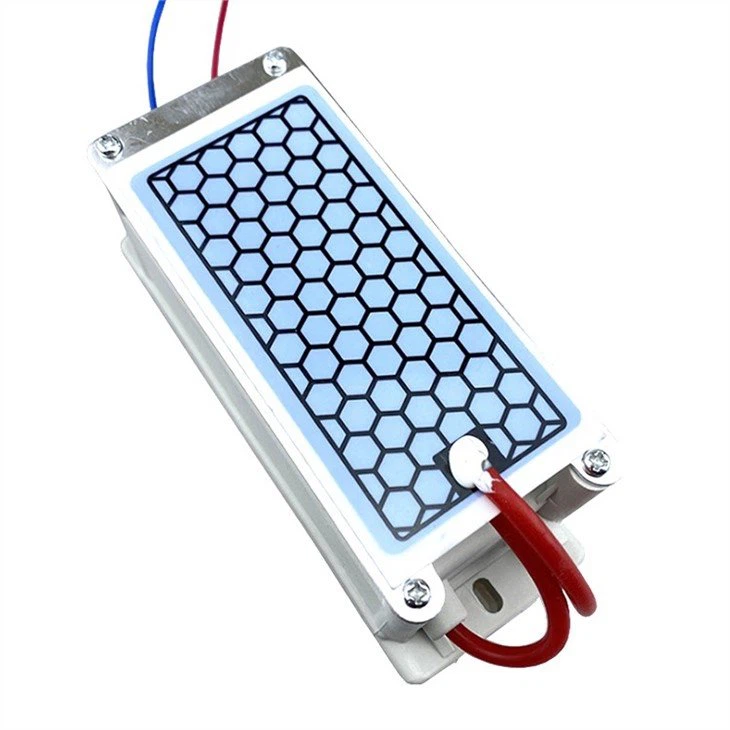

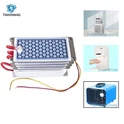
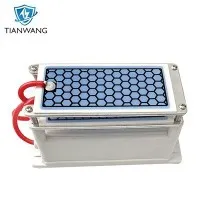
There are different types and sizes of ozone generators available on the market. For example, we offer a 5g Ozone generator, a 20g Portable Ozone Generator Air Sterilizer, and a 10g ozone generator Cleaner Ozonizer Odor Eliminator. These generators vary in their ozone output capacity, which determines their effectiveness in different spaces and for different applications.
Potential Benefits of Using Ozone Generators in a Toy Store
Disinfection and Sanitization
Toy stores are places where a large number of people, especially children, come and go. Toys are handled by multiple customers, which can lead to the spread of germs and bacteria. Ozone generators can help in disinfecting the air and surfaces in the store. Ozone can kill a wide range of microorganisms, including bacteria, viruses, and fungi. By using an ozone generator regularly, the risk of customers getting sick from contaminated toys or the store environment can be reduced.
Odor Elimination
Toy stores can sometimes develop unpleasant odors due to various factors such as new plastic toys, packaging materials, or food brought in by customers. Ozone is an effective odor eliminator. It can break down the molecules that cause odors, leaving the air in the store fresh and clean. This can enhance the shopping experience for customers and make the store more inviting.
Air Purification
In addition to killing germs and eliminating odors, ozone generators can also help in purifying the air. They can remove airborne particles such as dust, pollen, and smoke. This is especially beneficial for customers who may have allergies or respiratory problems. Cleaner air can make the store a more comfortable place to shop.
Risks and Considerations
Health Risks
While ozone has many benefits, it can also be harmful to human health if inhaled in high concentrations. Ozone is a respiratory irritant and can cause coughing, shortness of breath, chest pain, and throat irritation. Prolonged exposure to high levels of ozone can even damage the lungs and increase the risk of respiratory infections. Therefore, when using an ozone generator in a toy store, it's crucial to ensure that the store is empty of customers and employees during the ozone treatment. The generator should be set to operate for a specific period, and then the store should be well - ventilated before people are allowed to enter again.
Damage to Toys and Materials
Ozone is a strong oxidant, and it can potentially damage some types of toys and materials in the store. For example, ozone can cause rubber and plastic to deteriorate over time. It can also fade colors and damage fabrics. Before using an ozone generator, it's important to test it on a small, inconspicuous area of the toys and materials in the store to ensure that there is no adverse effect.
Regulatory Compliance
There are regulations regarding the use of ozone generators in indoor spaces. In many areas, there are limits on the amount of ozone that can be present in the air. It's the responsibility of the toy store owner to ensure that the use of an ozone generator complies with local regulations. Failure to do so can result in fines and legal issues.
Best Practices for Using Ozone Generators in a Toy Store
Proper Sizing
Selecting the right size of the ozone generator is crucial. The size of the generator should be based on the size of the toy store. A generator with too low an output may not be effective in disinfecting and purifying the air, while a generator with too high an output can pose a greater risk of ozone exposure and damage to toys.
Timing and Ventilation
As mentioned earlier, the ozone generator should be operated when the store is empty. It's recommended to run the generator during off - business hours, such as overnight. After the ozone treatment, the store should be thoroughly ventilated for at least 30 minutes to an hour before people are allowed to enter. This can be done by opening windows and doors or using fans to circulate the air.
Monitoring
It's a good idea to use an ozone monitor to ensure that the ozone levels in the store are within the safe limits. This can help in preventing over - exposure to ozone and ensure compliance with regulations.
Conclusion
In conclusion, an ozone generator can be used in a toy store, but it must be used with caution. The potential benefits of disinfection, odor elimination, and air purification are significant, but the risks to human health and damage to toys and materials must be carefully managed. By following the best practices, such as proper sizing, timing, ventilation, and monitoring, toy store owners can safely use ozone generators to create a cleaner and more pleasant shopping environment.
If you're a toy store owner interested in learning more about how our ozone generators can benefit your store, or if you have any questions regarding their use, we'd love to hear from you. Feel free to reach out to us for more information and to discuss your specific needs. We can provide you with detailed product information and guidance on how to use our ozone generators safely and effectively.
References
- U.S. Environmental Protection Agency. (2023). Ozone Generators That Are Sold As Air Cleaners.
- World Health Organization. (2022). Air Quality Guidelines: Particulate Matter, Ozone, Nitrogen Dioxide and Sulfur Dioxide.