As a seasoned supplier of ozone equipment, I've witnessed firsthand the transformative impact that proper ozone system installation can have on factory operations. Ozone, a powerful oxidizing agent, is used in various industrial applications, including air purification, water treatment, and odor control. However, to harness its full potential safely and effectively, it's crucial to adhere to specific installation requirements. In this blog post, I'll share insights into these requirements and provide guidance on ensuring a successful ozone equipment installation in your factory.
Understanding Ozone and Its Applications
Before delving into the installation requirements, let's briefly review what ozone is and how it's used in industrial settings. Ozone (O₃) is a molecule composed of three oxygen atoms. It's a highly reactive gas with strong oxidizing properties, making it effective at eliminating bacteria, viruses, mold, and odors. In factories, ozone equipment is commonly used for:
- Air Purification: Removing pollutants, allergens, and volatile organic compounds (VOCs) from the air to improve indoor air quality and create a healthier work environment.
- Water Treatment: Disinfecting and purifying water used in manufacturing processes, cooling towers, and wastewater treatment systems.
- Odor Control: Eliminating unpleasant odors caused by chemicals, manufacturing processes, or waste materials.
Installation Requirements for Ozone Equipment
1. Location Selection
The first step in installing ozone equipment is choosing the right location. Here are some key considerations:
- Ventilation: Ozone is a toxic gas at high concentrations, so it's essential to install the equipment in a well-ventilated area. Avoid placing it in confined spaces or areas with poor air circulation.
- Accessibility: Ensure that the installation site is easily accessible for maintenance and repairs. There should be enough space around the equipment to allow technicians to work safely.
- Proximity to the Application: Place the ozone equipment as close as possible to the area where it will be used. This reduces the length of the ozone distribution pipes and minimizes ozone loss due to decomposition.
- Protection from the Elements: If the equipment is installed outdoors, it should be protected from rain, snow, and extreme temperatures. Consider using a weatherproof enclosure or shelter.
2. Electrical Requirements
Ozone equipment typically requires a stable electrical supply. Here's what you need to know:
- Power Supply: Check the voltage and frequency requirements of the ozone equipment and ensure that the electrical supply matches these specifications. Most industrial ozone generators operate on 220V or 480V power.
- Circuit Protection: Install appropriate circuit breakers or fuses to protect the equipment from electrical overloads and short circuits.
- Grounding: Proper grounding is essential to prevent electrical shocks and ensure the safe operation of the equipment. Follow local electrical codes and regulations when grounding the ozone equipment.
3. Gas Supply and Distribution
Ozone is generated by passing oxygen through an ozone generator. Here are the installation requirements for the gas supply and distribution system:
- Oxygen Source: The ozone generator requires a clean and dry oxygen source. This can be provided by an oxygen concentrator, liquid oxygen tank, or compressed air system. Ensure that the oxygen source meets the purity requirements of the ozone generator.
- Gas Piping: Use high-quality, ozone-resistant piping materials, such as stainless steel or PTFE, to transport the ozone gas from the generator to the application area. The piping should be properly sized to ensure adequate ozone flow and minimize pressure drop.
- Valves and Controls: Install valves and controls to regulate the flow of ozone gas and ensure its safe and efficient distribution. These include flow meters, pressure gauges, and shut-off valves.
4. Safety Measures
Safety is of utmost importance when working with ozone equipment. Here are some essential safety measures to implement during installation:
- Ozone Monitoring: Install an ozone monitor in the area where the ozone equipment is installed to continuously monitor the ozone concentration in the air. Set the monitor to alarm at the recommended ozone exposure limit to ensure the safety of workers.
- Emergency Shut-Off: Provide an emergency shut-off switch or button near the ozone equipment to quickly stop the ozone generation in case of an emergency.
- Warning Signs: Post clear warning signs in the installation area to indicate the presence of ozone and the potential hazards associated with it. These signs should include instructions on how to safely operate and maintain the equipment.
- Personal Protective Equipment (PPE): Provide workers with appropriate PPE, such as respirators, gloves, and goggles, when working with ozone equipment. Ensure that workers are trained on the proper use and maintenance of PPE.
5. Commissioning and Testing
Once the ozone equipment is installed, it's important to commission and test it to ensure that it's operating properly. Here's what you need to do:


- System Check: Conduct a thorough visual inspection of the equipment and the installation site to ensure that everything is installed correctly and there are no leaks or damage.
- Electrical Testing: Test the electrical connections and controls to ensure that the equipment is receiving power and operating normally.
- Gas Leak Test: Perform a gas leak test on the ozone distribution system to check for any leaks. Use a leak detector or soapy water to identify and repair any leaks.
- Ozone Output Testing: Measure the ozone output of the equipment using an ozone analyzer to ensure that it meets the specifications of the manufacturer. Adjust the settings of the ozone generator if necessary.
- System Integration: Integrate the ozone equipment with the existing factory systems, such as ventilation systems, water treatment systems, or odor control systems. Test the system to ensure that it's functioning properly and achieving the desired results.
Recommended Ozone Equipment
At our company, we offer a wide range of ozone equipment suitable for various industrial applications. Here are some of our popular products:
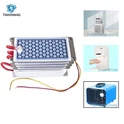
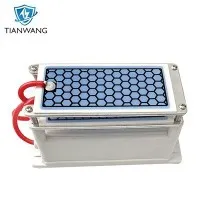
- 20g Portable Ozone Generator Air Sterilizer: This portable ozone generator is ideal for small to medium-sized factories. It's easy to use and can effectively purify the air and eliminate odors.
- 10g ozone generator Cleaner Ozonizer Odor Eliminator: A compact and efficient ozone generator that's perfect for odor control in factories. It can be easily installed and operated.
- 5g Ozone generator: This small ozone generator is suitable for applications where a lower ozone output is required, such as air purification in office spaces or small manufacturing areas.
Contact Us for Purchase and Consultation
If you're interested in purchasing ozone equipment for your factory or have any questions about installation requirements, please don't hesitate to contact us. Our team of experts is ready to provide you with personalized advice and support to help you choose the right ozone equipment for your needs and ensure a successful installation.
References
- American Society of Heating, Refrigerating and Air-Conditioning Engineers (ASHRAE). (2019). ASHRAE Standard 62.1-2019: Ventilation for Acceptable Indoor Air Quality.
- Occupational Safety and Health Administration (OSHA). (2021). Ozone (General Industry). Retrieved from OSHA Website
- United States Environmental Protection Agency (EPA). (2020). Ozone: A Guide for the Public. Retrieved from EPA Website