In the world of candle lighters, the quick - ignition feature is a highly sought - after characteristic. As a supplier of candle lighters, I've witnessed firsthand the importance of this feature to consumers. In this blog, we'll explore whether candle lighters truly have a quick - ignition feature, delving into the science behind it and the different types of lighters available in the market.


The Science of Quick Ignition
Quick ignition in candle lighters is based on several scientific principles. For traditional flame lighters, the ignition process involves the release of a flammable gas, usually butane, which is then ignited by a spark. The key to quick ignition here lies in the efficient mixing of the gas with air and the generation of a strong enough spark. When the spark occurs, it needs to have sufficient energy to break the chemical bonds in the gas molecules, initiating the combustion reaction.
In modern electric arc lighters, the principle is quite different. These lighters use high - voltage electricity to create an arc between two electrodes. The arc is extremely hot, reaching temperatures high enough to ignite the wick of a candle almost instantly. The speed of ignition in electric arc lighters is mainly determined by the voltage and current of the electrical circuit. A higher voltage can create a more powerful arc, which in turn leads to faster ignition.
Types of Candle Lighters and Their Quick - Ignition Capabilities
Traditional Flame Lighters
Traditional flame lighters, such as butane lighters, have been around for a long time. They are reliable and widely used. However, their quick - ignition performance can be affected by several factors. The quality of the gas valve and the spark mechanism plays a crucial role. A well - designed valve ensures a consistent flow of gas, while a high - quality spark mechanism can generate a strong spark.
In some cases, traditional lighters may take a few tries to ignite, especially if the gas pressure is low or the spark is weak. However, with proper maintenance and a good quality lighter, quick ignition is usually achievable.
Electric Arc Lighters
Electric arc lighters have gained popularity in recent years due to their flameless design and quick - ignition capabilities. These lighters are powered by electricity, either from a rechargeable battery or replaceable batteries.
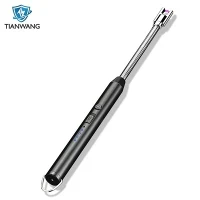
The Type C Rechargeable Dual Arc Plasma Candle Lighter Wand is a prime example of an electric arc lighter with excellent quick - ignition features. It uses a dual - arc design, which means there are two arcs working simultaneously. This increases the surface area of the heat source, allowing for faster and more reliable ignition of the candle wick. The Type C rechargeable feature also ensures that the lighter is always ready to use, as it can be easily charged using a USB cable.
Another type of electric arc lighter is the Electric Arc BBQ Lighter. While it is mainly designed for barbecuing, it can also be used as a candle lighter. Its powerful arc can quickly ignite a candle wick, making it a versatile tool. The electric arc in this lighter is generated by a high - voltage circuit, which can produce a strong and stable arc for quick ignition.
The Flameless USB Lighter Rechargeable Arc Candle Lighter is also a great option for those looking for a quick - ignition candle lighter. It is flameless, which means it is safer to use, especially around children or in windy conditions. The rechargeable design ensures that it is always ready for use, and the arc can ignite a candle wick in a matter of seconds.
Factors Affecting Quick Ignition
Apart from the type of lighter, there are other factors that can affect the quick - ignition performance of candle lighters.
Wick Condition
The condition of the candle wick plays a significant role in the ignition process. A dry and well - trimmed wick is much easier to ignite than a wet or frayed one. If the wick is too long, it may take longer to ignite as the heat needs to travel up the wick to reach the wax. On the other hand, if the wick is too short, it may not be able to draw enough wax to sustain the flame.
Environmental Conditions
Environmental conditions can also impact quick ignition. In cold weather, the wax in the candle may be more solid, making it harder for the wick to draw the wax up and start burning. Windy conditions can also make it difficult to ignite a candle, as the flame or arc may be blown out before the wick catches fire.
Lighter Maintenance
Proper maintenance of the lighter is essential for quick ignition. For traditional flame lighters, this includes refilling the gas regularly and cleaning the spark mechanism. For electric arc lighters, it means keeping the battery charged and cleaning the electrodes to ensure a good electrical connection.
Our Commitment as a Supplier
As a candle lighter supplier, we are committed to providing high - quality lighters with excellent quick - ignition features. We understand that our customers rely on our products to quickly and easily light their candles, and we strive to meet and exceed their expectations.
We source the best materials and use the latest technology in the manufacturing of our lighters. Our electric arc lighters are designed with high - voltage circuits and efficient electrode systems to ensure fast and reliable ignition. We also conduct rigorous quality control tests on all our products to ensure that they meet the highest standards.
Contact Us for Purchasing
If you are interested in purchasing our candle lighters, we invite you to contact us for a detailed discussion. We offer a wide range of candle lighters, including the ones mentioned above, with different features and designs to meet your specific needs. Whether you are a retailer looking to stock our products or an individual consumer in search of a reliable candle lighter, we are here to assist you.
References
- "Combustion Fundamentals" by Turns, S. R.
- "Electrical Engineering Principles" by Nilsson, J. W., & Riedel, S. A.