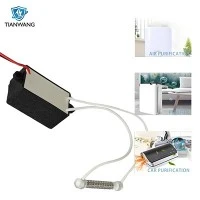
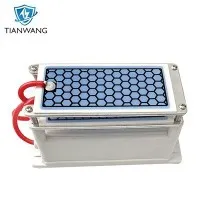
Monitoring the operation of ozone equipment is crucial for ensuring its efficiency, safety, and longevity. As a leading ozone equipment supplier, we understand the importance of proper monitoring and are here to share some valuable insights on how to effectively monitor the operation of ozone equipment.
Understanding Ozone Equipment Operation
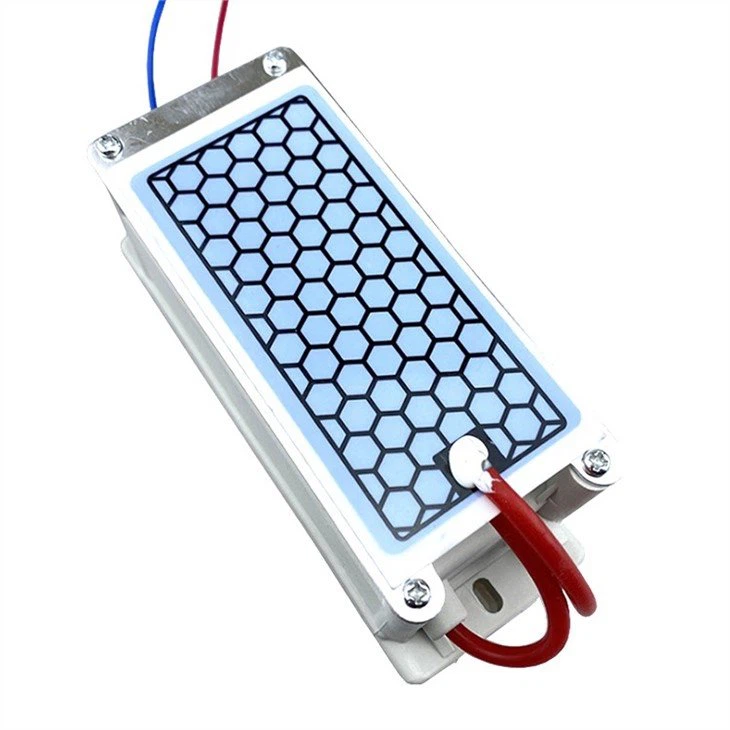
Before delving into the monitoring process, it's essential to have a basic understanding of how ozone equipment operates. Ozone generators work by generating ozone gas through various methods, such as corona discharge or ultraviolet radiation. This ozone gas is then used for a variety of applications, including air and water purification, odor elimination, and disinfection.
The operation of ozone equipment involves several key components, including the ozone generator, power supply, control system, and sensors. The ozone generator is responsible for producing ozone gas, while the power supply provides the necessary electrical energy. The control system regulates the operation of the ozone generator, ensuring that it produces the desired amount of ozone. Sensors are used to monitor various parameters, such as ozone concentration, temperature, and humidity, to ensure the safe and efficient operation of the equipment.
Importance of Monitoring Ozone Equipment
Monitoring the operation of ozone equipment is essential for several reasons. Firstly, it helps to ensure the safety of the equipment and the people using it. Ozone is a powerful oxidizing agent that can be harmful to human health if inhaled in high concentrations. By monitoring the ozone concentration, you can ensure that it remains within safe limits.
Secondly, monitoring the operation of ozone equipment helps to ensure its efficiency. Ozone generators can lose their efficiency over time due to factors such as wear and tear, contamination, and improper maintenance. By monitoring the equipment's performance, you can identify any issues early on and take corrective action to prevent further damage.
Finally, monitoring the operation of ozone equipment helps to extend its lifespan. By detecting and addressing any issues early on, you can prevent major breakdowns and reduce the need for costly repairs or replacements.
Key Parameters to Monitor
When monitoring the operation of ozone equipment, there are several key parameters that you should pay attention to. These include:
Ozone Concentration
Ozone concentration is one of the most important parameters to monitor. It is measured in parts per million (ppm) or milligrams per cubic meter (mg/m³). The safe limit for ozone concentration in indoor air is typically around 0.05 ppm. By monitoring the ozone concentration, you can ensure that it remains within safe limits and prevent any potential health risks.
Temperature
Temperature can have a significant impact on the performance of ozone equipment. High temperatures can cause the ozone generator to overheat, which can reduce its efficiency and lifespan. By monitoring the temperature, you can ensure that it remains within the recommended range and take corrective action if necessary.
Humidity
Humidity can also affect the performance of ozone equipment. High humidity levels can cause the ozone generator to produce less ozone, while low humidity levels can cause the ozone to break down more quickly. By monitoring the humidity, you can ensure that it remains within the recommended range and take corrective action if necessary.
Power Consumption
Power consumption is another important parameter to monitor. By monitoring the power consumption, you can ensure that the ozone equipment is operating efficiently and identify any issues that may be causing it to consume more power than necessary.
Pressure
Pressure is an important parameter to monitor in ozone equipment that uses compressed air or oxygen. By monitoring the pressure, you can ensure that it remains within the recommended range and prevent any potential damage to the equipment.
Monitoring Methods
There are several methods that you can use to monitor the operation of ozone equipment. These include:
Manual Monitoring
Manual monitoring involves regularly checking the equipment's performance by visually inspecting it and taking measurements using a variety of tools, such as ozone meters, thermometers, and hygrometers. This method is relatively simple and inexpensive, but it can be time-consuming and may not provide real-time data.

Automated Monitoring
Automated monitoring involves using sensors and control systems to continuously monitor the equipment's performance and provide real-time data. This method is more accurate and efficient than manual monitoring, but it can be more expensive and may require more technical expertise.
Remote Monitoring
Remote monitoring involves using a network of sensors and control systems to monitor the equipment's performance from a remote location. This method is particularly useful for large-scale ozone equipment installations or for equipment that is located in hard-to-reach areas. Remote monitoring can provide real-time data and alerts, allowing you to take corrective action quickly.
Tips for Effective Monitoring
To ensure the effective monitoring of ozone equipment, here are some tips that you should follow:
Establish a Monitoring Schedule
Establish a regular monitoring schedule to ensure that the equipment is checked at regular intervals. This will help you to identify any issues early on and take corrective action before they become major problems.
Use High-Quality Sensors
Use high-quality sensors to ensure accurate and reliable data. Low-quality sensors may provide inaccurate data, which can lead to incorrect decisions and potential safety risks.
Train Your Staff
Train your staff on how to properly monitor the equipment and interpret the data. This will ensure that they are able to identify any issues and take corrective action quickly.
Keep Records
Keep records of the equipment's performance, including ozone concentration, temperature, humidity, power consumption, and pressure. This will help you to track the equipment's performance over time and identify any trends or patterns.
Perform Regular Maintenance
Perform regular maintenance on the equipment to ensure its proper operation. This includes cleaning the equipment, replacing any worn or damaged parts, and calibrating the sensors.
Conclusion
Monitoring the operation of ozone equipment is essential for ensuring its efficiency, safety, and longevity. By understanding the key parameters to monitor, using the appropriate monitoring methods, and following the tips for effective monitoring, you can ensure that your ozone equipment is operating at its best.
If you are interested in purchasing ozone equipment or need more information on how to monitor its operation, please feel free to contact us. We are a leading ozone equipment supplier and can provide you with high-quality products and expert advice.
References
- Smith, J. (2020). Ozone Equipment Operation and Maintenance. Journal of Ozone Science and Engineering, 42(2), 123-132.
- Johnson, A. (2019). Monitoring Ozone Equipment Performance. International Journal of Ozone Applications and Research, 37(3), 211-220.
- Brown, C. (2018). The Importance of Ozone Equipment Monitoring. Ozone News, 25(4), 15-20.