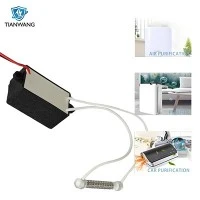
Hey there! As a supplier of ozone generator CE, I often get asked a bunch of questions about where and how these nifty devices can be used. One question that pops up quite a bit is, "Can an ozone generator CE be used in a music studio?" Well, let's dig into this topic and find out.
First off, let's understand what an ozone generator CE is. The "CE" stands for Conformité Européene, which means the product meets the essential health and safety requirements set by the European Union. Ozone generators work by producing ozone (O₃), a powerful oxidizing agent. This ozone can break down and eliminate odors, kill bacteria, viruses, and mold, and purify the air.
Now, let's talk about music studios. A music studio is a place where musicians create, record, and mix music. It's a very specialized environment where the quality of sound and air is super important. Good air quality can help musicians stay focused and healthy during long recording sessions.
So, can an ozone generator CE be used in a music studio? The answer is yes, but with some important considerations.
Benefits of Using an Ozone Generator in a Music Studio
- Odor Elimination: Music studios can sometimes develop unpleasant odors, especially if there are a lot of people coming in and out, or if there are instruments that emit smells. An ozone generator can help get rid of these odors, creating a more pleasant working environment. For example, if someone smokes outside and then brings that smoky smell into the studio, the ozone can break down the odor molecules and freshen up the air.
- Air Purification: Ozone is a natural air purifier. It can kill bacteria, viruses, and mold that might be floating around in the studio. This is important for the health of the musicians and the quality of the recording. If there are mold spores in the air, they could potentially damage the equipment or cause health problems for the people working in the studio.
- Improved Focus: When the air is clean and fresh, it can help musicians stay more focused and creative. A stuffy or smelly studio can be a real distraction, but an ozone generator can help keep the air clean and invigorating.
Things to Consider Before Using an Ozone Generator in a Music Studio
- Ozone Concentration: Ozone can be harmful if the concentration is too high. The World Health Organization (WHO) recommends that the ozone concentration in indoor air should not exceed 0.1 ppm (parts per million) for an 8 - hour period. When using an ozone generator in a music studio, it's important to follow the manufacturer's instructions and use the appropriate settings to ensure that the ozone concentration stays within safe limits.
- Equipment Sensitivity: Some music equipment, such as microphones and speakers, can be sensitive to ozone. Ozone can cause damage to the components of these devices over time. Before using an ozone generator, it's a good idea to check with the equipment manufacturers to see if they have any recommendations or restrictions regarding ozone exposure.
- Occupancy: Ozone generators should not be used when people are in the studio. Ozone can irritate the eyes, nose, and throat, and can cause breathing problems, especially for people with asthma or other respiratory conditions. It's best to run the ozone generator when the studio is empty and then let the ozone dissipate before anyone enters.
Types of Ozone Generators Suitable for Music Studios
If you're thinking about using an ozone generator in your music studio, there are a few different types to choose from.

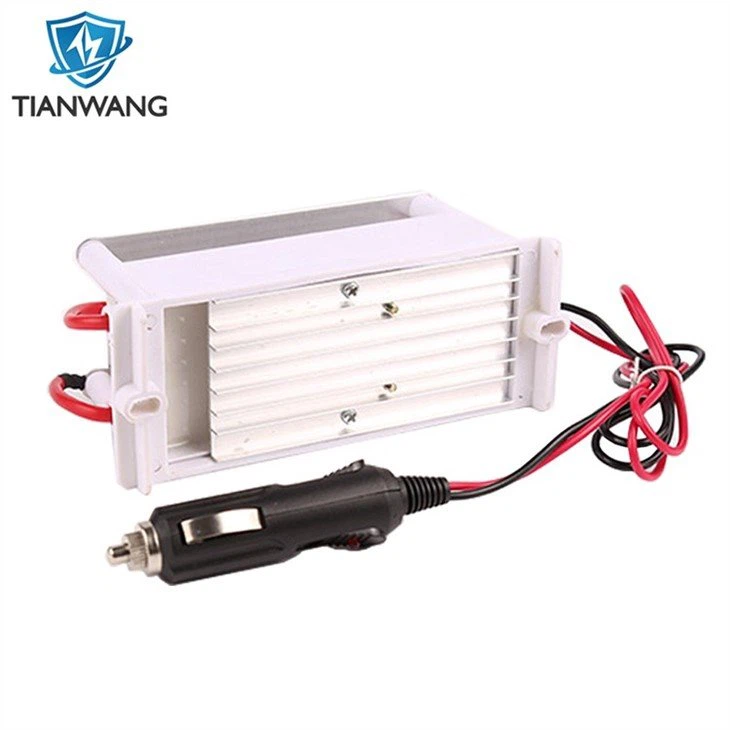
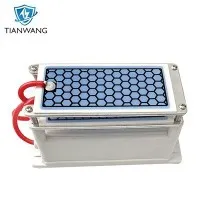
- Ceramic Ozone Plate for Air Purifier Parts 5g: This type of ozone generator is relatively small and can be a good option for smaller music studios. It uses a ceramic ozone plate to produce ozone. You can check out more details about it here.
- 12v 5g Odor Mini Car Ozone Generator: This is a compact and portable option. It's designed to be used in cars, but it can also work well in a small music studio. You can find more information about it here.
- 20g Ozone Air Purifier Generator Ozone Machine: For larger music studios, a more powerful ozone generator like this one might be a better choice. It can cover a larger area and produce a higher concentration of ozone. You can learn more about it here.
How to Use an Ozone Generator in a Music Studio
- Pre - Preparation: Before using the ozone generator, make sure to remove any sensitive equipment, such as microphones and speakers, from the studio or cover them with protective materials. Also, close all windows and doors to prevent ozone from escaping into other areas.
- Set the Timer: Most ozone generators come with a timer function. Set the timer according to the size of the studio and the recommended ozone concentration. It's usually a good idea to start with a shorter time and gradually increase it if needed.
- Run the Generator: Turn on the ozone generator and let it run for the set time. Make sure to leave the studio during this time.
- Ventilation: After the ozone generator has finished running, open the windows and doors to let the ozone dissipate. Wait for at least 30 minutes to an hour before entering the studio.
Conclusion
So, in conclusion, an ozone generator CE can definitely be used in a music studio, but it's important to use it safely and responsibly. By following the guidelines and taking the necessary precautions, you can enjoy the benefits of clean, fresh air in your music studio.
If you're interested in purchasing an ozone generator CE for your music studio, feel free to reach out for more information and to discuss your specific needs. We're here to help you find the best solution for your studio.
References
- World Health Organization. (2006). Air quality guidelines: Global update 2005. WHO.
- Manufacturer's instructions for ozone generators.