In recent years, home ozone machines have gained significant popularity for their purported air - purifying and sterilizing capabilities. As a supplier of home ozone machines, I often receive inquiries about the potential impact of these devices on electronics. In this blog, I will delve into the scientific aspects of how home ozone machines can affect electronics and provide practical advice for users.
Understanding Ozone and Its Properties
Ozone (O₃) is a highly reactive gas composed of three oxygen atoms. It is a powerful oxidizing agent, which means it can react with a wide range of substances. In nature, ozone is formed in the stratosphere and plays a crucial role in protecting the Earth from harmful ultraviolet radiation. On the ground level, ozone can be produced artificially by home ozone machines through processes such as corona discharge or ultraviolet radiation.
The primary function of a home ozone machine is to eliminate odors, kill bacteria, and purify the air. When ozone is released into the air, it reacts with odor - causing molecules and microorganisms, breaking them down into less harmful substances. However, this reactivity also means that ozone can have unintended effects on other materials in the environment, including electronics.
How Ozone Affects Electronics
Oxidation of Metal Components
One of the most significant ways ozone impacts electronics is through the oxidation of metal components. Many electronic devices contain metal parts such as copper, silver, and aluminum. Ozone can react with these metals to form metal oxides. For example, copper reacts with ozone to form copper oxide (CuO). Over time, the formation of metal oxides can cause several problems.
Firstly, metal oxides are often less conductive than the pure metals. This can lead to increased resistance in electrical circuits, which may result in reduced performance or even complete failure of the electronic device. For instance, in a printed circuit board (PCB), the oxidation of copper traces can disrupt the flow of electricity, causing malfunctions in the device.
Secondly, the expansion of metal oxides can cause physical stress on the electronic components. As the metal oxidizes and forms a layer of oxide, it may expand in volume. This expansion can lead to cracking or delamination of the components, further compromising the integrity of the device.
Degradation of Plastics and Polymers
In addition to metal components, ozone can also cause degradation of plastics and polymers commonly used in electronics. Many electronic devices are housed in plastic casings, and the internal components may also be made of various polymers. Ozone can react with the chemical bonds in these materials, breaking them down and causing the plastics to become brittle, discolored, and more prone to cracking.
For example, polycarbonate, a common plastic used in electronic device housings, can be affected by ozone exposure. The long - chain polymer structure of polycarbonate can be disrupted by ozone, leading to a loss of mechanical strength and a change in its appearance. This degradation can not only affect the aesthetics of the device but also its functionality, as the damaged casing may no longer provide adequate protection for the internal components.
Impact on Insulating Materials
Electronic devices rely on insulating materials to prevent electrical short - circuits. Ozone can react with these insulating materials, reducing their effectiveness. For example, rubber and silicone are often used as insulating materials in electronics. Ozone can cause these materials to harden and lose their flexibility, which can lead to cracks and gaps in the insulation. Once the insulation is compromised, there is a higher risk of electrical short - circuits, which can damage the electronic device and even pose a safety hazard.
Factors Affecting the Impact of Ozone on Electronics
Ozone Concentration
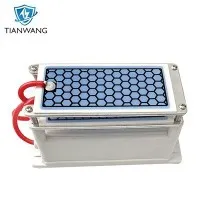
The concentration of ozone in the air is a crucial factor in determining its impact on electronics. Higher ozone concentrations are more likely to cause significant damage to electronic devices. Home ozone machines can produce varying levels of ozone, depending on their settings and capacity. For example, a 20g Portable Ozone Generator Air Sterilizer is capable of producing a relatively high amount of ozone compared to a 5g Ozone generator. Using a high - capacity ozone machine in a small, enclosed space can lead to extremely high ozone concentrations, increasing the risk of damage to electronics.


Exposure Time
The length of time that electronic devices are exposed to ozone also plays a role in the extent of the damage. Prolonged exposure to ozone can allow more chemical reactions to occur, leading to more severe degradation of the electronic components. For example, if an ozone machine is left running continuously in a room with electronics for several days, the damage to the devices is likely to be more significant than if the exposure is for a short period.
Type of Electronic Device
Different electronic devices have different sensitivities to ozone. Devices with more delicate components, such as high - end audio equipment or precision medical devices, are generally more vulnerable to ozone damage. On the other hand, some rugged electronic devices, such as industrial - grade computers, may be more resistant to ozone due to their robust construction and protective coatings.
Mitigating the Impact of Ozone on Electronics
Proper Placement of Ozone Machines
To minimize the impact of ozone on electronics, it is important to place the ozone machine in an appropriate location. Avoid placing the ozone machine too close to electronic devices. A good rule of thumb is to keep a distance of at least several feet between the ozone machine and any electronics. Additionally, ensure that the room is well - ventilated when using an ozone machine. This can help to disperse the ozone and reduce its concentration in the air around the electronics.
Using Protective Covers
For electronic devices that are particularly sensitive to ozone, using protective covers can provide an additional layer of protection. Protective covers can act as a barrier between the ozone and the device, reducing the direct exposure of the components to the reactive gas.
Limiting Ozone Exposure Time
It is advisable to limit the operation time of the ozone machine. Do not run the ozone machine continuously for long periods. Instead, use it for short intervals and allow the ozone to dissipate before re - activating the machine. This can help to reduce the overall exposure of electronics to ozone.
Conclusion
As a supplier of home ozone machines, I understand the concerns about the impact of these devices on electronics. While ozone can have detrimental effects on electronic components, with proper precautions, these effects can be minimized. By understanding the factors that influence the impact of ozone on electronics and taking appropriate measures, users can enjoy the benefits of ozone air purification without causing significant damage to their electronic devices.
If you are interested in purchasing a home ozone machine, we offer a variety of models to suit different needs, including the 20g Portable Ozone Generator Air Sterilizer, 5g Ozone generator, and 10g ozone generator Cleaner Ozonizer Odor Eliminator. If you have any questions or would like to discuss your specific requirements, please feel free to contact us for a purchase negotiation.
References
- "Ozone and Its Effects on Materials" - Journal of Environmental Science and Technology
- "The Chemistry of Ozone in Indoor Environments" - American Chemical Society Publications
- "Impact of Ozone on Electronic Components" - IEEE Transactions on Components, Packaging and Manufacturing Technology